How to Grow High-Yield Tomatoes in Small Spaces (Even on a Balcony)
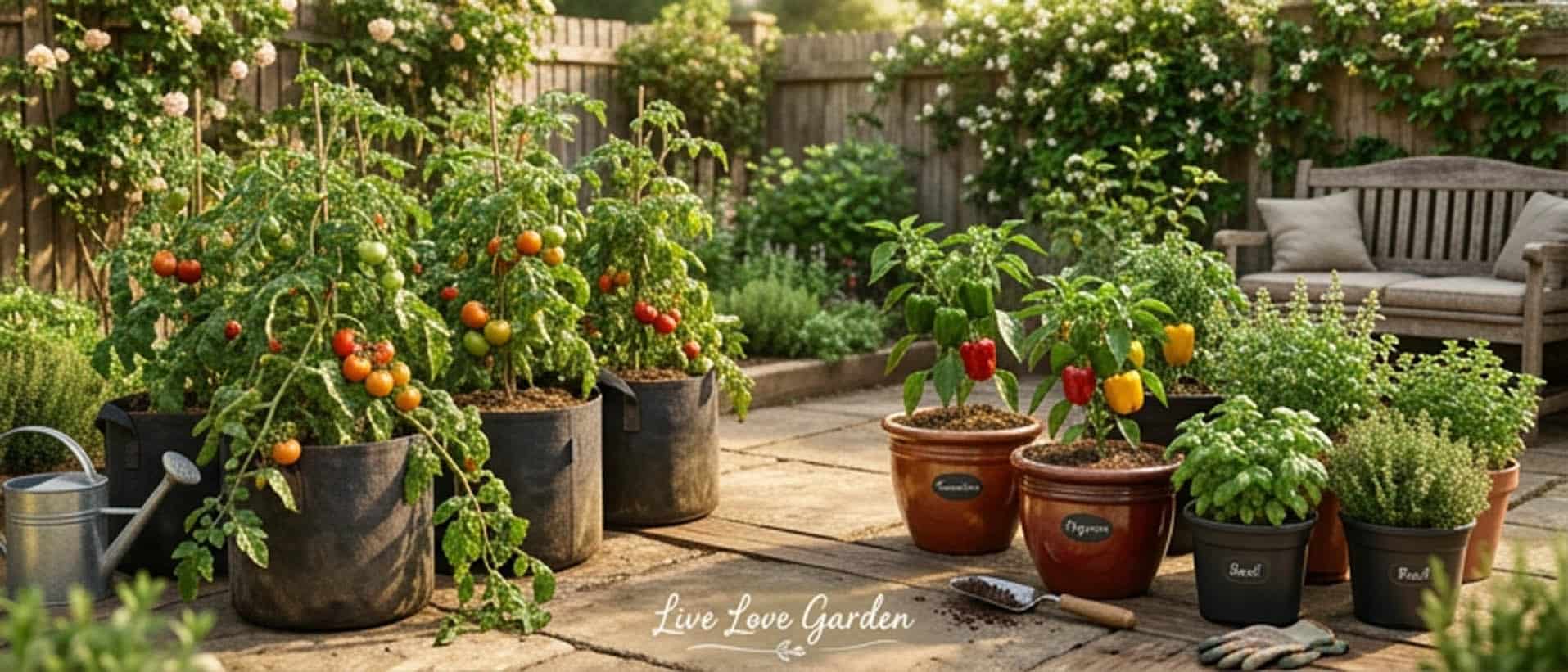
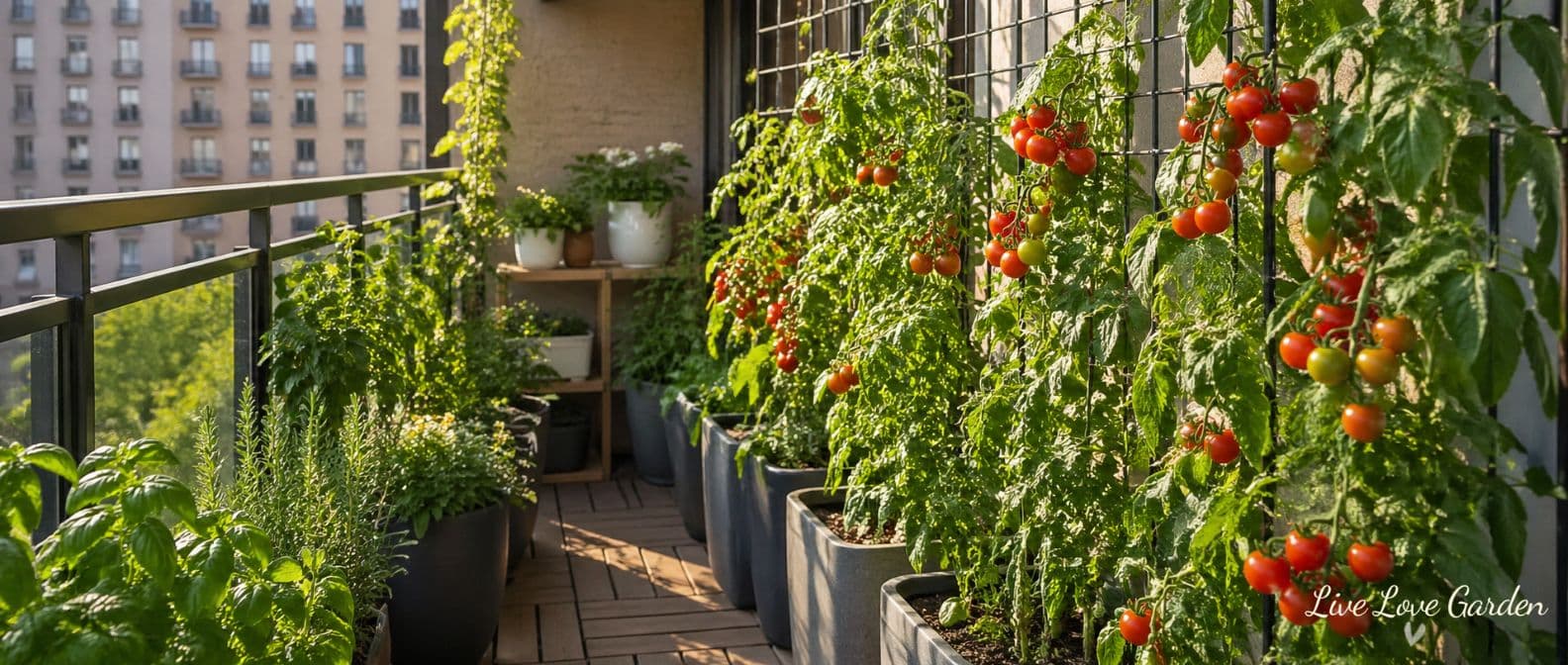
There’s something quietly magical about stepping onto a small patio or balcony and finding it overflowing with life—sun-warmed tomatoes dangling like little lanterns, vines reaching upward instead of sprawling outward, and the soft scent of summer hanging in the air.
If you’ve ever believed you needed a big backyard to grow a meaningful harvest, tomatoes are here to prove otherwise.
With the right approach, learning how to grow high-yield tomatoes in small spaces becomes less about square footage and more about intention. A single container, thoughtfully placed and well cared for, can produce an abundance that feels almost generous.
This guide is for the balcony gardeners, the patio growers, the renters with a sunny corner, and anyone craving fresh, homegrown flavor without a traditional garden bed. Whether you're just getting started or refining your setup, you’ll learn how to turn even the smallest space into a thriving tomato haven.
And if you’re dreaming bigger—layering your tomatoes into a full seasonal harvest—you might enjoy exploring other edible summer crops perfect for small-space gardening to create a more abundant, edible landscape.
Why Tomatoes Thrive in Small Spaces (If You Grow Them Right)
Tomatoes may seem like sprawling garden giants, but in truth, they’re natural climbers—quietly designed to grow up, not out. When guided properly, they slip easily into compact spaces, turning vertical structures into living towers of fruit.
This is where small space tomato gardening becomes surprisingly powerful.
When you grow tomatoes in containers, you gain something traditional gardens can’t always offer: control.
- Better soil quality tailored specifically for growth and production
- Fewer pests and diseases thanks to contained environments
- Strategic placement for optimal sunlight exposure
In other words, growing tomatoes in pots isn’t a compromise—it’s often an upgrade.
A thriving tomato plant doesn’t measure its success by how much ground covers—but by how well it’s cared for.
The real secret behind how to grow high-yield tomatoes in small spaces is simple: yield has far more to do with consistency, sunlight, and structure than it does with the size of your garden.
With the right setup, even a single container tomato plant can surprise you—producing bowl after bowl of vibrant, homegrown fruit.
Mini takeaway: Small space doesn’t mean small harvest. It just means growing smarter.
Choosing the Best Tomato Varieties for High Yield
Not all tomatoes are created equal—especially when space is limited.
If you want to master how to grow high-yield tomatoes in small spaces, your success starts before you even plant. The right variety can mean the difference between a modest harvest… and a plant that produces more than you expected possible.
Think of this step as choosing the right partner for your space. Some tomatoes are compact and efficient, while others are eager climbers that reward you with a long, continuous harvest.
Determinate vs Indeterminate Tomatoes
Understanding this distinction is one of the most important decisions you’ll make.
- Determinate tomatoes:
- Grow in a compact, bushy shape
- Reach a set size and produce fruit all at once
- Perfect for containers and smaller spaces
- Require less pruning and maintenance
- Indeterminate tomatoes:
- Grow as long vines and continue producing all season
- Offer a steady, ongoing harvest
- Need vertical support like trellises or stakes
- Benefit from regular pruning
For many small-space gardeners, a mix of both creates the perfect balance—early abundance paired with long-term production.
Best High-Yield Varieties for Small Spaces
When growing in containers or tight spaces, certain tomato types consistently outperform others.
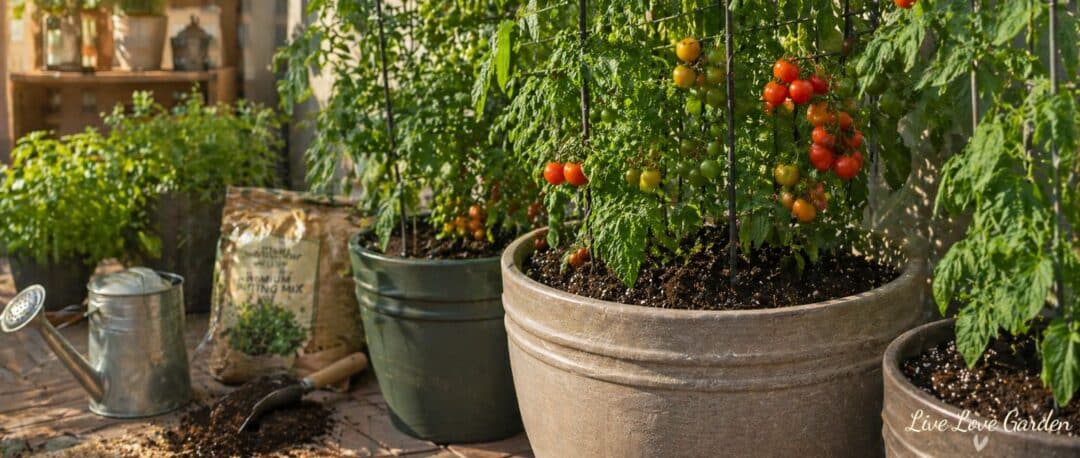
- Cherry tomatoes:
- Highest yield per square foot
- Fast-growing and incredibly productive
- Perfect for snacking and daily harvesting
- Roma or paste tomatoes:
- Compact plants with reliable production
- Great for sauces, roasting, and preserving
- Often easier to manage in containers
- Dwarf varieties:
- Bred specifically for small-space and container growing
- Shorter plants with strong yields
- Ideal for patios, balconies, and raised planters
If you’re building out a productive container garden, pairing your tomatoes with other crops from this guide to high-yield summer plants for small spaces can help you maximize every inch.
The right tomato variety doesn’t just grow well—it grows with your space, your rhythm, and your goals.
If you’re just getting started, look for seed bundles or curated “small space tomato collections.” These are often designed to give you a mix of compact, high-producing varieties without the guesswork.
Choosing wisely at the beginning sets the tone for everything that follows—and makes the journey to a high-yield harvest that much smoother.
The Perfect Setup for Maximum Yield
When it comes to how to grow high-yield tomatoes in small spaces, your setup is everything. Before a single flower forms, before the first tomato even begins to blush red, your plant is already deciding how much it can produce—based on the environment you’ve created.
The good news? You don’t need more space. You just need a smarter foundation.
Container Size Matters More Than You Think
Tomatoes are generous growers—but they need room at the roots to support everything happening above the soil.
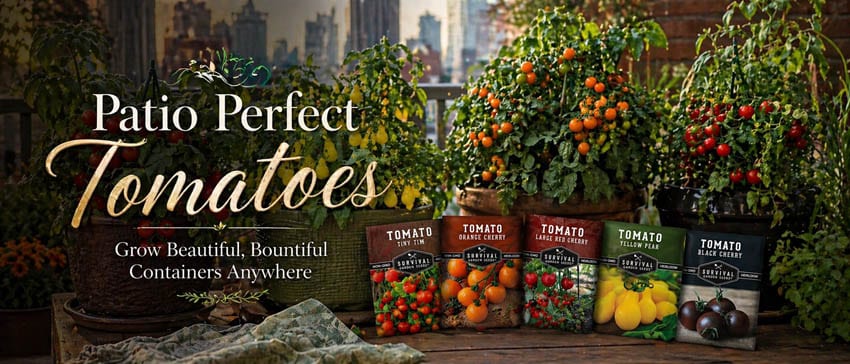
- Minimum: 5-gallon container (this is your absolute floor)
- Ideal: 7–10 gallons for stronger growth and higher yields
Larger containers hold more soil, which means:
- Better moisture retention
- More nutrients available to the plant
- Less stress during hot weather
And one thing you never want to compromise on—drainage.
Without proper drainage holes, water can pool at the bottom of your container, leading to root rot and stalled growth.
If you’re building your setup from scratch, this guide on creating a self-watering container garden can help you balance moisture and drainage effortlessly.
Soil That Feeds Like a Slow-Release Buffet
In container tomato plants, soil isn’t just a base—it’s the entire ecosystem.
Unlike garden beds, containers rely completely on what you provide. That’s why quality matters.
- Start with a high-quality potting mix designed for containers
- Blend in compost for slow-release nutrients
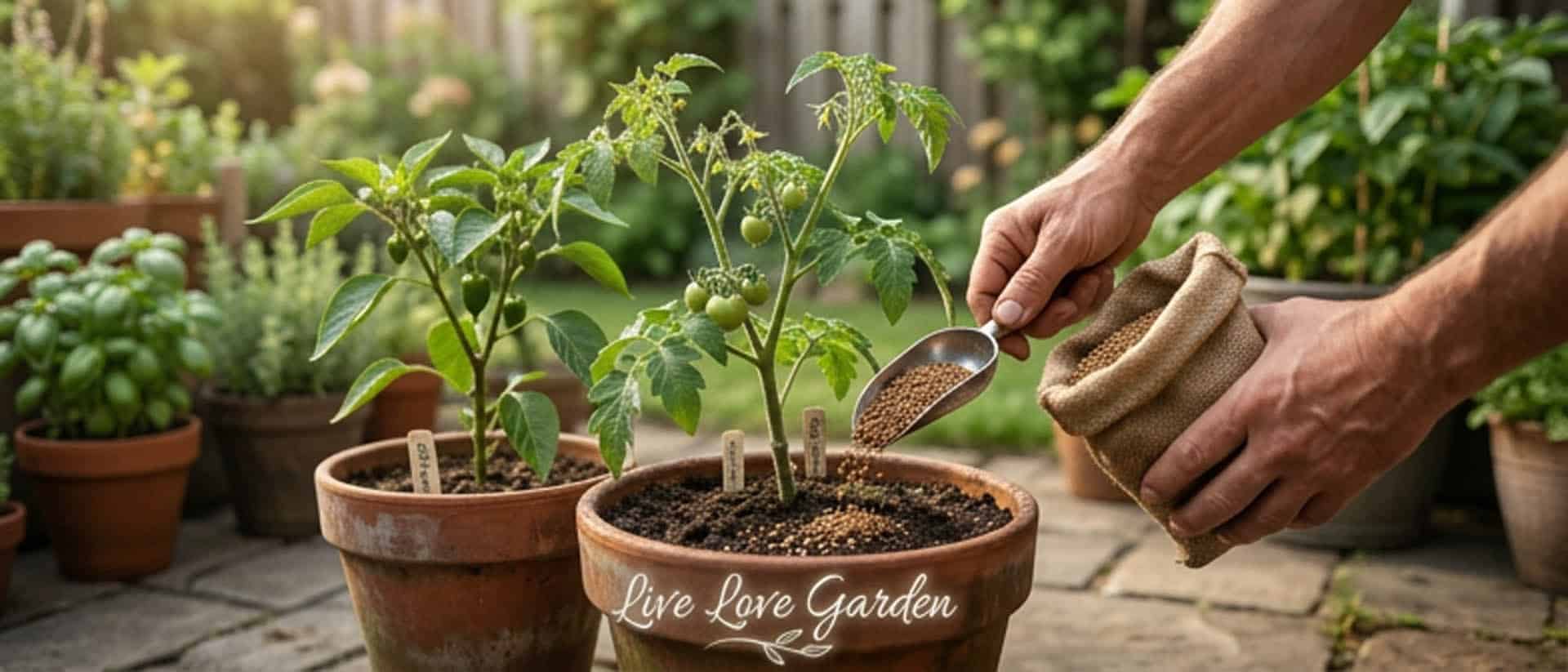
- Add worm castings to boost microbial life and overall plant health
Avoid using garden soil in containers. It may seem like a shortcut, but it compacts easily, limiting airflow and root development.
If you want to go deeper into building rich, living soil, you might enjoy this guide on creating your own compost at home to naturally support plant growth.
Healthy soil doesn’t just support your plant—it quietly fuels every tomato it will ever produce.
Sunlight = Sugar = Flavor + Yield
Sunlight is where everything comes together.
Tomatoes use sunlight to create energy, and that energy becomes both growth and sweetness in your fruit. Without enough light, even the best setup will struggle to produce.
- Aim for 6–8+ hours of direct sunlight daily
- South-facing patios or balconies offer the strongest, most consistent light
- Rotate containers occasionally for even exposure
In tight spaces, even small adjustments—like shifting a pot a few feet—can make a noticeable difference in yield.
If you’re working with limited light, combining smart placement with techniques from this guide to maximizing vertical growing space can help you capture more sun throughout the day.
When container size, soil, and sunlight all align, something remarkable happens—your plant doesn’t just grow. It thrives, producing more than its size would ever suggest.
Planting Tomatoes for Explosive Growth
The moment you plant your tomato is where everything begins to take shape. Done right, this single step sets the tone for stronger roots, faster growth, and a noticeably higher yield.
In small space tomato gardening, planting isn’t just about placing a seedling in soil—it’s about giving it the best possible start to thrive in a confined environment.
The Secret Trick: Plant Deep
Tomatoes have a hidden superpower: they can grow roots all along their stems.
By planting deeply, you unlock that potential.
- Bury up to ⅔ of the stem when transplanting
- Remove lower leaves before planting so they don’t sit below the soil line
- Firm the soil gently around the base to support the plant
What happens next is where the magic unfolds—those buried sections of stem begin forming additional roots, creating a stronger, more stable plant.
More roots mean:
- Better nutrient absorption
- Improved drought resistance
- Greater overall yield potential
This simple technique is one of the most effective ways to boost success when learning how to grow high-yield tomatoes in small spaces.
A tomato planted deep doesn’t just grow—it anchors itself with intention, building strength from the ground up.
Spacing in Small Spaces
It’s tempting to maximize every inch by planting multiple tomatoes in one container—but this is one place where restraint leads to better results.
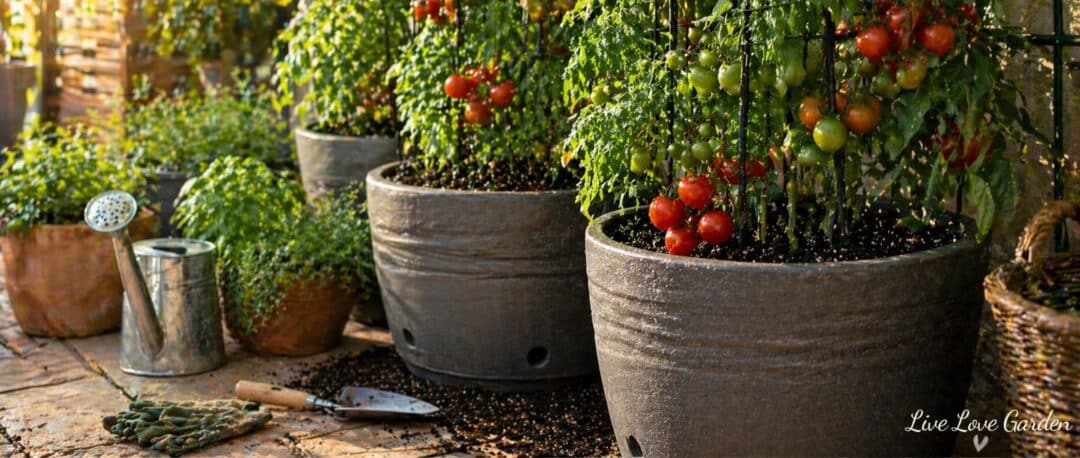
- Stick to one plant per pot for optimal growth
- Avoid overcrowding, even in larger containers
- Give each plant its own space to access light, water, and nutrients
Overcrowding leads to competition, reduced airflow, and increased risk of disease—all of which limit your harvest.
Good spacing allows air to move freely around your plant, helping leaves dry quickly and reducing the chance of common issues like fungal disease. If you’ve ever dealt with problems like seedling disease and poor airflow issues, you already know how important this can be.
In small spaces, it’s not about how many plants you can fit—it’s about how well each one can perform.
Give your tomatoes room to breathe, and they’ll reward you with stronger growth, healthier foliage, and a much more abundant harvest.
Vertical Growing = Bigger Harvests in Less Space
If small-space gardening had a secret language, it would be this: grow up, not out.
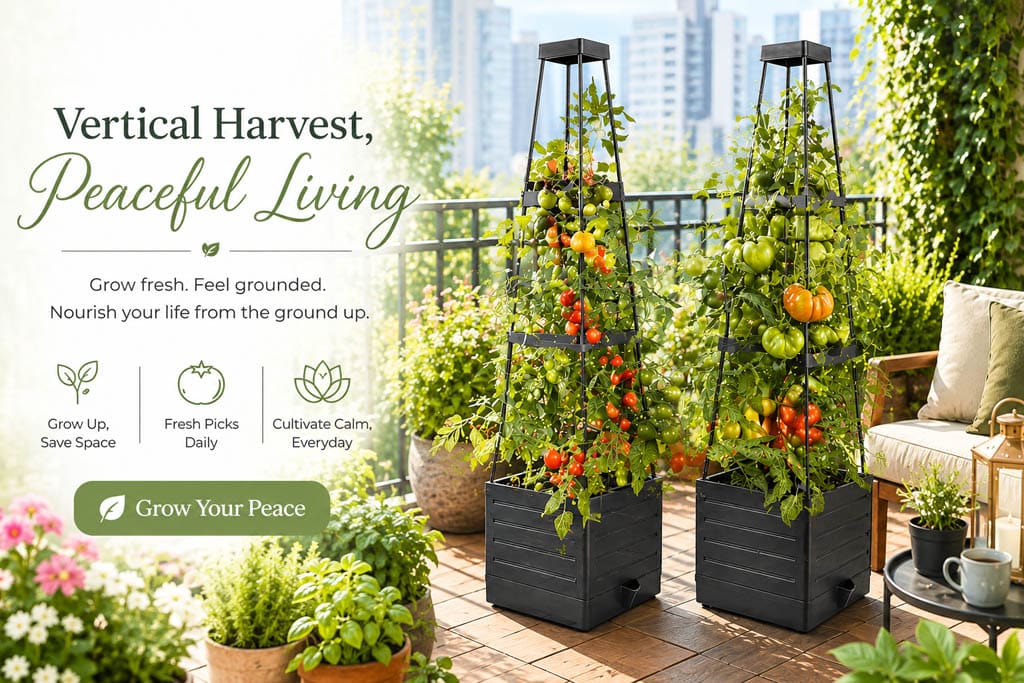
Tomatoes are natural climbers, always reaching for light. When you guide that instinct vertically, you transform a single container into a layered, high-producing system—one that takes up minimal floor space but delivers a generous harvest.
This is the heart of vertical tomato gardening, and it’s one of the most effective ways to increase yield in tight spaces.
Trellises, Cages, and Stakes—What to Use and When
Not all supports are created equal, and choosing the right one depends on your space, your tomato variety, and how much maintenance you want to do.
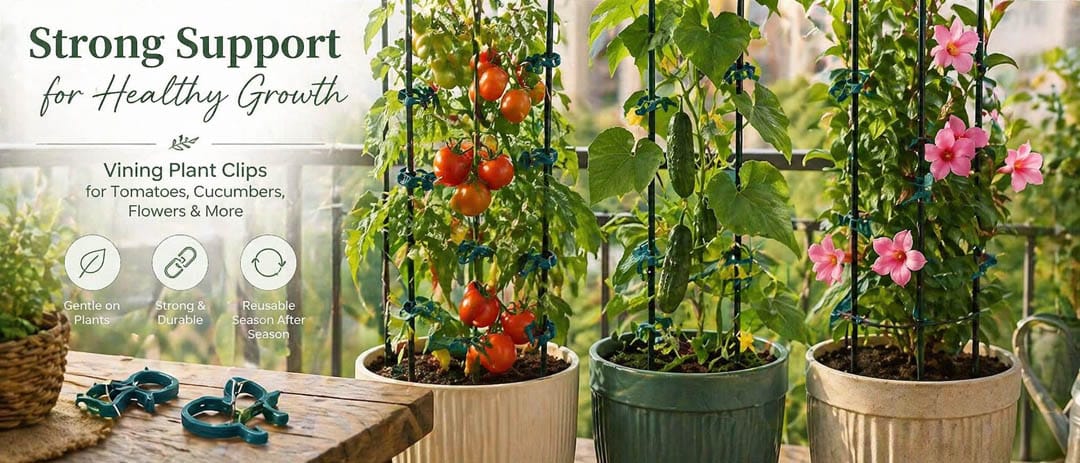
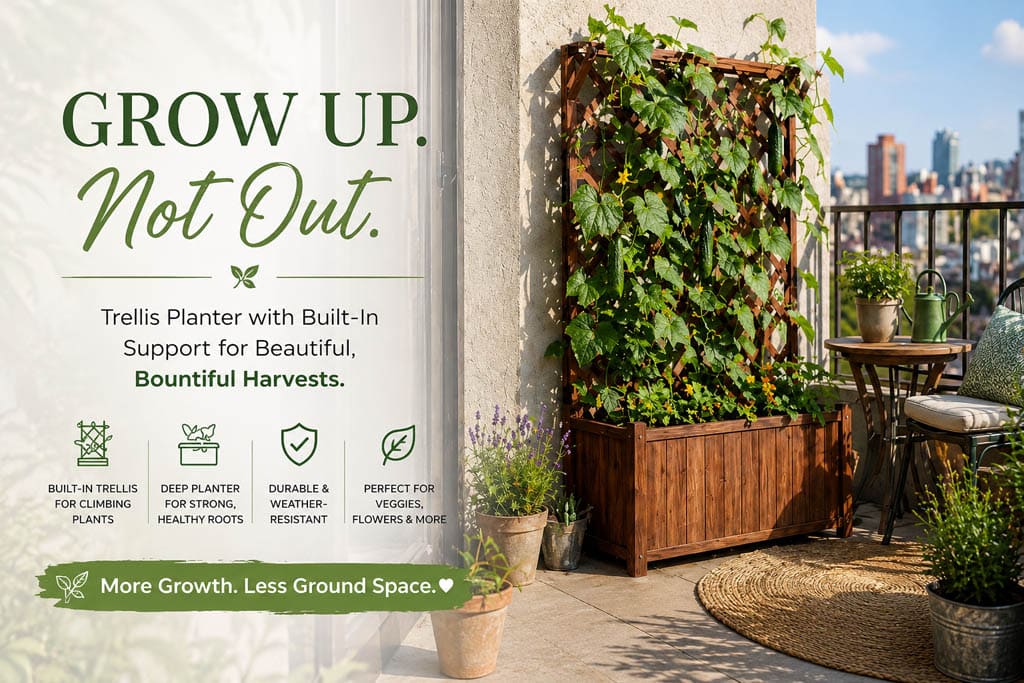
- Trellises: Ideal for balconies and patios. They encourage upward growth and can be attached to walls or planters for a clean, space-saving setup.
- Cages: A low-maintenance option that supports the plant as it grows outward and upward. Best for determinate or bush varieties.
- Stakes: Simple and effective. Perfect for guiding a single main stem upward, especially with indeterminate tomatoes.
If you're working with a truly compact setup, integrating supports into your containers can make all the difference. Pairing your tomatoes with a vertical growing system
allows you to stack productivity without crowding your space.
Why Vertical Growth Increases Yield
When tomato plants are allowed to sprawl, they spend energy supporting excess stems and leaves. But when trained vertically, that energy is redirected—toward flowering and fruit production.
- Better sunlight exposure: More leaves receive direct light, fueling photosynthesis
- Improved airflow: Reduces disease and keeps plants healthier
- More efficient energy use: Less wasted growth, more fruit development
A tomato plant trained upward doesn’t just save space—it learns how to focus its energy where it matters most.
In small space tomato gardening, every inch counts. Vertical growing ensures none of it goes to waste.
Keeps Fruit Clean and Reduces Pests
Another quiet advantage of lifting your plants off the ground? Cleaner, healthier fruit.
When tomatoes sit directly on soil, they’re more vulnerable to:
- Rot and fungal diseases
- Insect damage
- Splitting from inconsistent moisture
Vertical support keeps fruit elevated, allowing it to ripen evenly in open air and sunlight.
You’ll also make life easier for beneficial insects—like those highlighted in this guide on natural garden helpers that protect your plants— who can better access and defend your crops.
At the end of the day, the goal is simple: healthier plants, cleaner fruit, and more tomatoes per square foot.
And in a small space, that’s everything.
Watering and Feeding for High-Yield Plants
If sunlight is the spark, then water and nutrients are the steady rhythm that keep your tomato plants producing. In small spaces—especially with container tomato plants—this rhythm matters even more.
Unlike in-ground gardens, pots don’t hold onto moisture or nutrients for long. What you give your plants (and how consistently you give it) directly shapes your harvest.
Watering
The goal isn’t frequent watering—it’s deep, consistent watering.
When you water lightly and often, roots stay shallow and plants become stressed. But when you water deeply, moisture reaches the lower roots, encouraging stronger, more resilient growth.
- Water until it drains from the bottom of the container
- Allow the top inch of soil to dry slightly before watering again
- Stick to a consistent schedule to prevent stress
This is especially important in small space tomato gardening, where containers are often exposed to more heat from patios, railings, and surrounding surfaces.
If you want to make watering easier and more consistent, consider setups like self-watering container systems, which can help regulate moisture and reduce daily upkeep.
Tomatoes don’t need more water—they need steady water. Consistency is what turns stress into abundance.
Feeding Schedule
Tomatoes are generous plants—but they’re also hungry ones.
In containers, nutrients are used up quickly, so regular feeding is essential if you want to maximize yield.
- Start with a balanced fertilizer (equal parts nitrogen, phosphorus, and potassium) during early growth
- Switch to a phosphorus-rich fertilizer once flowering begins to support fruit production
- Feed consistently every 1–2 weeks depending on your fertilizer type
One thing to watch carefully: nitrogen.
Too much nitrogen encourages lush, leafy growth—but fewer tomatoes. Your plant may look full and vibrant, but the harvest will be underwhelming.
For a deeper look at natural soil boosters, you can explore how common kitchen scraps can support tomato growth when used correctly.
The balance is simple but powerful: feed for growth early, then feed for fruit.
When you get this right, your plants won’t just grow—they’ll produce steadily, generously, and exactly the way you hoped.
Pruning for Maximum Tomato Production
Pruning can feel a little counterintuitive at first—after all, why remove healthy growth from a plant you want to thrive?
But when it comes to how to grow high-yield tomatoes in small spaces, thoughtful pruning is less about cutting back and more about guiding energy.
In a compact garden, every leaf, stem, and branch competes for light and nutrients. Pruning helps your plant focus on what matters most: producing flavorful, abundant fruit.
Remove Suckers (For Indeterminate Varieties)
Suckers are the small shoots that form in the “V” between the main stem and a branch. Left alone, they grow into full stems—complete with leaves, flowers, and eventually fruit.
Sounds helpful, right? In large gardens, it can be. But in small space tomato gardening, too many stems quickly turn into overcrowding.
- Identify suckers early while they’re small and easy to remove
- Pinch them off gently with your fingers or use clean pruners
- Focus on maintaining 1–2 main stems for best results
By removing excess growth, you’re not reducing your harvest—you’re refining it.
Improve Airflow and Redirect Energy to Fruit
Dense foliage might look lush, but it can quietly create the perfect environment for disease and pests.
Strategic pruning opens up your plant, allowing:
- Better airflow to reduce humidity-related issues
- More sunlight penetration to fuel fruit development
- Stronger energy allocation toward flowers and tomatoes instead of excess leaves
In container setups—especially on patios or balconies—this becomes even more important, where airflow can be limited.
Healthy airflow also supports beneficial insects like those discussed in this guide to natural pest control in the garden, helping maintain balance without chemicals.
Pruning isn’t about taking away—it’s about giving your plant clarity on where to grow and what to produce.
When NOT to Prune (Determinate Plants)
Not all tomatoes benefit from pruning.
Determinate varieties—often called bush tomatoes—grow to a set size and produce most of their fruit in a shorter window. Pruning these plants can actually reduce your overall harvest.
- Avoid heavy pruning on determinate plants
- Only remove damaged or yellowing leaves
- Let the plant grow naturally to maximize fruit production
If you're ever unsure which type you're growing, it’s worth double-checking your variety. Choosing the right plant from the start—especially from lists of high-yield crops suited for small spaces—can make pruning decisions much easier down the line.
In the end, pruning is a simple but powerful tool. Used correctly, it transforms your plant from a tangle of growth into a focused, fruit-producing machine—perfectly suited for even the smallest garden spaces.
Pollination Hacks for Balcony Gardeners
Tomatoes are wonderfully self-sufficient plants. Each flower contains both male and female parts, meaning they don’t rely on separate plants to produce fruit.
But here’s the quiet catch—they still need movement.
In nature, that movement comes from wind, bees, and the gentle bustle of outdoor life. On a balcony or patio, especially in more sheltered spaces, that natural pollination can be limited.
So while tomatoes are technically self-pollinating, they sometimes need a little nudge.
Simple Ways to Encourage Pollination
The goal is to mimic what nature would normally do—just on a smaller, more intentional scale.
- Gently shake your plant once a day when flowers are open
- Tap or flick the stems to release pollen
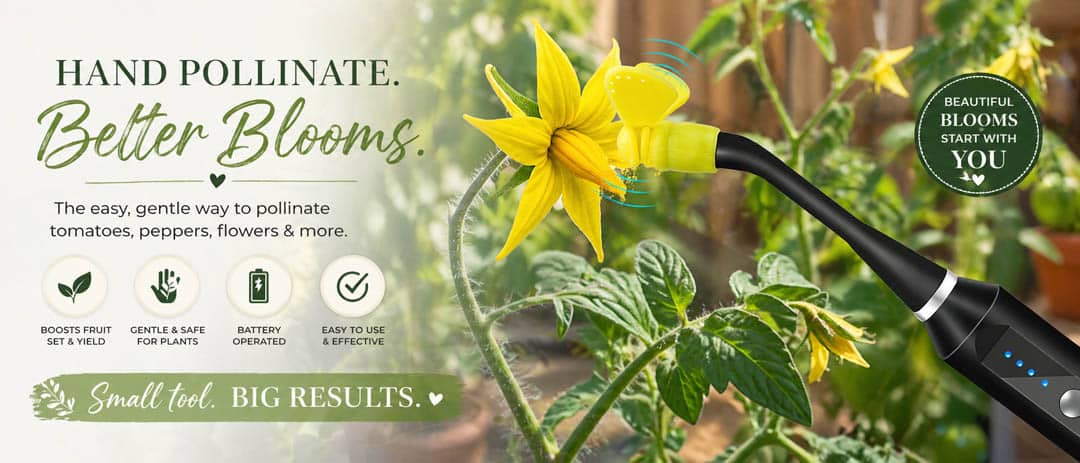
- Use a small tool like an electric pollinator or even a soft brush
If you prefer a more hands-off approach, tools designed specifically for this purpose can make the process quick and effective—especially when you’re managing multiple container tomato plants in a compact space.
And if you’re looking to invite a little more natural help into your space, planting nearby blooms from this guide to pollinator-friendly plants for small gardens can encourage visits from bees and other beneficial insects.
Sometimes all it takes is a gentle touch to turn blossoms into a harvest.
In small space tomato gardening, you’re not just growing plants—you’re stepping in as part of the ecosystem. A simple daily shake can be the difference between flowers that fade… and vines heavy with fruit.
Common Problems (and How to Fix Them Fast)
Even in the most lovingly tended small-space garden, tomatoes will occasionally throw you a curveball. The good news? Most issues show clear signs—and once you know what to look for, they’re surprisingly easy to correct.
Think of this section as your quick-reference guide. Spot the symptom, make a small adjustment, and get your plants back on track.
Yellow Leaves
Yellowing leaves are one of the most common concerns with container tomato plants, and they’re usually tied to water or nutrients.
- Cause: Overwatering, underwatering, or nutrient deficiency
- Fix:
- Check soil moisture before watering—avoid soggy or bone-dry conditions
- Feed with a balanced fertilizer if plants look pale or slow-growing
- Ensure proper drainage so roots aren’t sitting in water
No Fruit (Lots of Leaves, Few Tomatoes)
A lush, leafy plant with no fruit can feel frustrating—but it’s usually a sign that your tomato is putting energy in the wrong place.
- Cause: Too much nitrogen or poor pollination
- Fix:
- Switch to a phosphorus-rich fertilizer to encourage flowering
- Use gentle shaking or tools to improve pollination
- Make sure your plant is getting at least 6–8 hours of direct sunlight
If your plants are thriving but not producing, it’s often just a small shift away from becoming productive.
Blossom End Rot
This shows up as a dark, sunken spot on the bottom of your tomatoes—and while it looks alarming, it’s very fixable.
- Cause: Calcium imbalance, usually triggered by inconsistent watering
- Fix:
- Water consistently to help the plant absorb available calcium
- Avoid letting soil swing between very dry and very wet
- Amend soil with calcium-rich additions if needed (like crushed eggshells or garden lime)
If you’re curious about using natural materials, this guide on recycling eggshells into your garden soil can help support long-term nutrient balance.
Most tomato problems aren’t failures—they’re feedback. Small adjustments often lead to big turnarounds.
The key to how to grow high-yield tomatoes in small spaces isn’t perfection—it’s responsiveness. When you learn to read your plants, they’ll tell you exactly what they need.
How to Harvest for Continuous Production
Harvesting is where the garden starts giving back—but it’s also how you keep the momentum going.
With container tomato plants, the way you harvest directly influences how much more your plant will produce. A thoughtful rhythm here can turn a modest setup into a steady, generous supply of tomatoes all season long.
Pick Frequently to Encourage More Fruit
Tomato plants are responsive in the most rewarding way. When you harvest regularly, the plant shifts its energy toward producing more flowers—and more fruit.
- Check your plants daily once tomatoes begin to ripen
- Pick ripe fruit promptly to signal continued production
- Don’t let tomatoes linger too long on the vine
In small space tomato gardening, this habit becomes one of your most powerful tools. You’re not just collecting tomatoes—you’re encouraging the plant to keep going.
Harvest Slightly Early to Prevent Splitting
Tomatoes don’t need to reach full softness on the vine to be delicious.
Harvesting just a touch early—when fruits are fully colored but still slightly firm—can help prevent common issues like splitting, especially during hot weather or inconsistent watering.
- Reduces risk of cracking after watering or rain
- Protects fruit from pests and sun damage
- Allows tomatoes to finish ripening indoors without sacrificing flavor
If you’re growing a mix of crops, syncing your harvest rhythm with other plants from this guide to continuous summer harvesting in small spaces can turn your garden into a daily source of fresh food.
The more often you harvest, the more your tomato plant leans into abundance.
Daily harvesting habit = more yield.
It’s a simple rhythm, but one that transforms your space—from a place where things grow… into a place where something is always ready to be gathered.
Companion Planting in Small Spaces
Even in the smallest garden, you don’t have to grow alone.
Companion planting is the art of pairing plants that support each other—boosting growth, improving flavor, and helping naturally manage pests. In small space tomato gardening, this approach lets you layer more function into every container without adding clutter.
Think of it as building a tiny, balanced ecosystem right in your pot.
Smart Companion Plants for Tomatoes
- Basil:
- Enhances flavor when grown near tomatoes
- Helps deter common pests like aphids
- Compact enough to tuck around the base of your plant
- Marigolds:
- Known for natural pest-repelling properties
- May help reduce soil-borne pests
- Add bright color and visual interest to your container
- Compact herbs:
- Examples: parsley, chives, oregano
- Fit easily into the same container zone
- Maximize productivity without overcrowding
These combinations don’t just make your container more productive—they also make it more resilient.
If you’d like to expand your planting strategy, this guide on creating a pollinator-friendly garden can help you invite even more beneficial insects into your space.
A well-planted container doesn’t just grow food—it creates harmony between plants, insects, and the space around them.
In the end, companion planting is a quiet upgrade. A few thoughtful additions can turn a single tomato plant into a thriving mini garden—full of life, color, and purpose.
Small Space Tomato Growing Tips
Sometimes it’s the smallest adjustments that create the biggest shifts in your harvest.
These quick wins are simple, low-effort tweaks that can noticeably improve how your container tomato plants grow, produce, and thrive—especially in tight spaces.
- Rotate containers for even sunlight
Give your plants a gentle turn every few days so all sides receive equal light. This encourages balanced growth and prevents leaning. - Use reflective surfaces to boost light
Light-colored walls, railings, or even a strategically placed reflective surface can bounce sunlight back onto your plants, increasing exposure. - Mulch containers to retain moisture
A thin layer of mulch helps regulate soil temperature, reduce evaporation, and keep watering more consistent. - Group pots to create microclimates
Placing containers close together can help retain humidity, reduce wind stress, and create a more stable growing environment.
If you’re layering multiple plants together, using techniques from this guide to maximizing vertical growing space can help you take these small tweaks even further.
In a small garden, success isn’t about doing more—it’s about doing a few things just a little bit better.
These simple shifts don’t require more space or effort—but together, they create a growing environment where your tomatoes can truly thrive.
Final Thoughts: Big Harvests from Tiny Spaces
A balcony. A patio. A sunny corner by the door.
It doesn’t take much space to grow something meaningful—just a willingness to begin and a little curiosity along the way.
If there’s one thing tomatoes teach us, it’s this: abundance isn’t reserved for wide-open gardens. It can thrive in the smallest places, quietly unfolding day by day.
Learning how to grow high-yield tomatoes in small spaces isn’t about having the perfect setup. It’s about understanding what your plants need—and responding with care, consistency, and a bit of creativity.
You don’t need more space to grow more—you just need to grow with intention.
Whether you’re tending a single pot or building a small collection of container tomato plants, every step you take brings you closer to a harvest that feels both satisfying and deeply personal.
Don’t be afraid to experiment. Try different varieties. Shift your containers. Adjust your routine. Your garden will evolve—and so will your confidence.
And if you’re ready to expand beyond tomatoes, you might enjoy exploring how to grow your own thriving garden from scratch and continue building your space into something even more abundant.
Because in the end, it’s not just about the tomatoes.
It’s about creating a space that gives back—one harvest, one quiet moment, and one small success at a time.