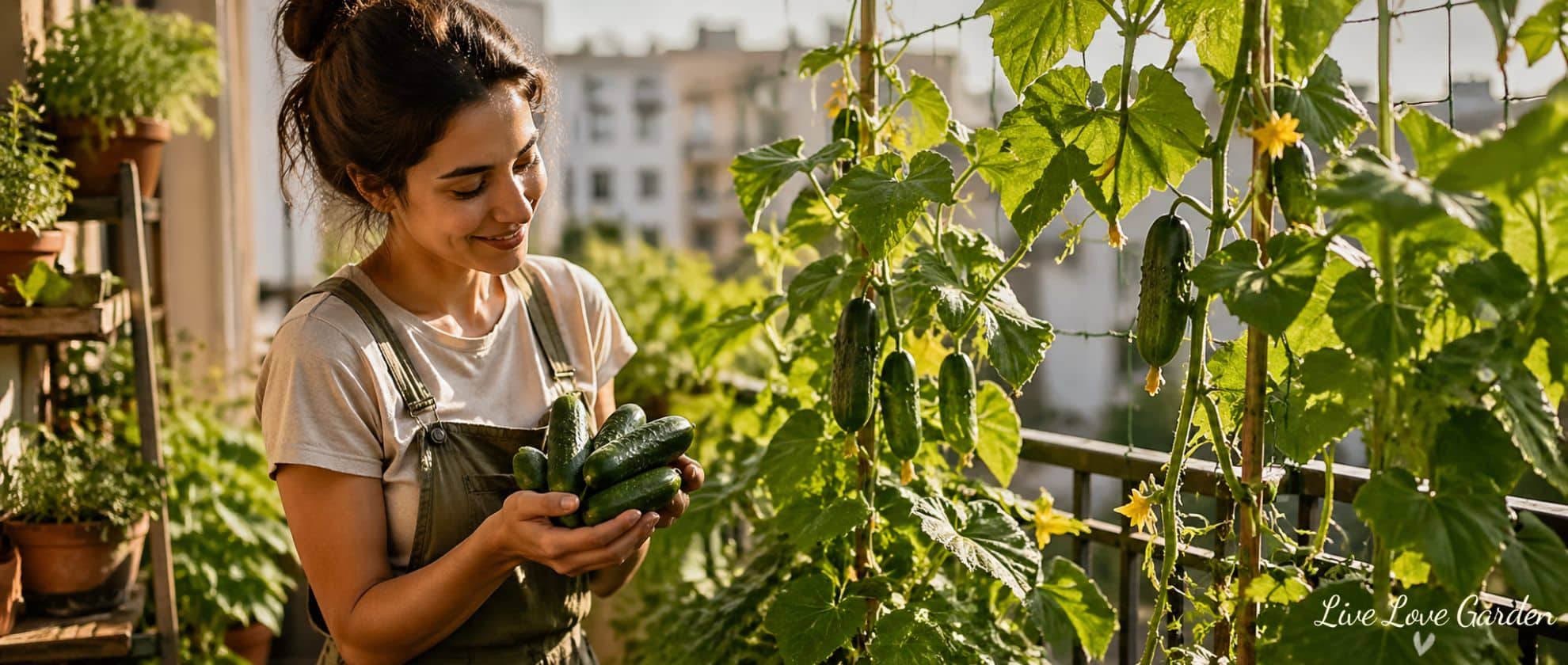
There’s something quietly satisfying about stepping outside—onto a balcony, a small patio, or even just a sunny corner—and picking a fresh cucumber you grew yourself. It’s crisp, cool, and tastes nothing like the ones from the store. It tastes like summer. It tastes like you did something right.
The beautiful thing is, you don’t need a sprawling garden to make it happen. With the right setup, cucumbers are one of the easiest and most rewarding crops you can grow in containers. Whether you’re working with a tiny backyard or just a few pots, they’re generous, fast-growing, and surprisingly adaptable.
If you’re new to growing your own food, this is a wonderful place to start. And if you’ve already dipped your hands into soil before, cucumbers will quickly become one of your most reliable summer staples—especially when paired with other easy-to-grow summer vegetables for small spaces.
Even the smallest space can grow something abundant—it just needs the right plant, the right care, and a little patience.
In this guide, you’ll learn exactly how to grow cucumbers in containers step by step—from choosing the right pot to harvesting crisp, flavorful fruit all season long.
Why Cucumbers Are Perfect for Container Gardening
If you’re looking for a plant that truly earns its place in a small garden, cucumbers are it. They don’t just grow—they thrive. And they do it quickly, generously, and with surprisingly little fuss once you understand what they need.
Unlike some vegetables that demand space to sprawl, cucumbers can be trained upward, guided along a trellis, or tucked neatly into a single container. This makes them ideal for balconies, patios, and compact backyard setups where every inch matters.
What Makes Cucumbers So Beginner-Friendly?
- Fast growth: You’ll see progress quickly, which builds confidence
- High yield: One plant can produce dozens of cucumbers over the season
- Vertical potential: Perfect for growing up instead of out
- Versatility: Great for fresh eating, pickling, and summer recipes
They’re also incredibly satisfying to grow. There’s a rhythm to checking on them each day, watching the vines stretch, and spotting new cucumbers forming almost overnight. It’s the kind of plant that keeps you coming back outside just to see what’s changed.
And if you’re already exploring ways to maximize a small growing space, cucumbers pair beautifully with techniques like growing vertically in compact gardens, helping you turn even the smallest setup into something surprisingly productive.
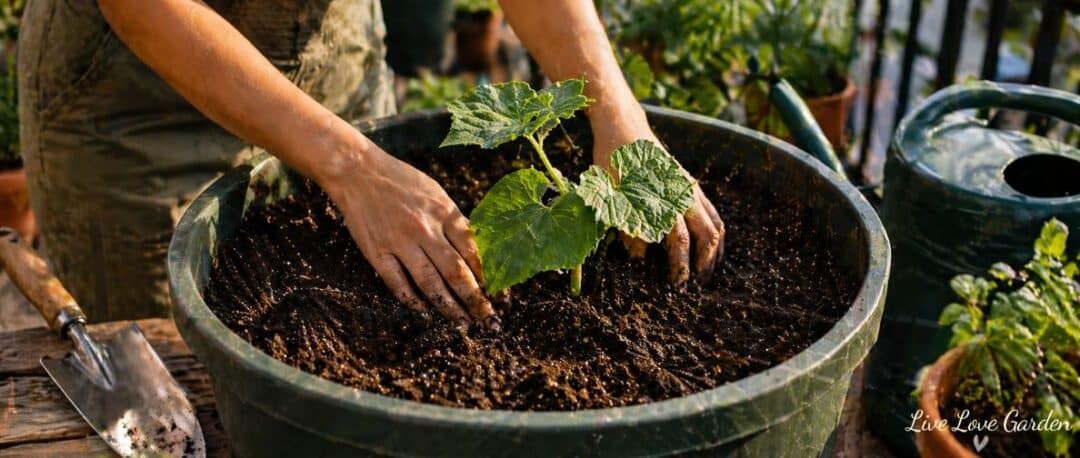
Choosing the Right Container for Cucumbers
When it comes to growing cucumbers in containers, your pot is more than just a place to hold soil—it’s the entire environment your plant will live in. The right container can mean the difference between a struggling vine and a thriving, fruit-producing plant.
Cucumbers grow quickly and develop a fairly extensive root system, so giving them enough room from the start sets you up for success.
What Size Container Do Cucumbers Need?
- Minimum size: 5 gallons (for one plant)
- Ideal size: 7–10 gallons for stronger growth and better yields
- Depth: At least 12 inches deep to support healthy roots
Bigger containers hold moisture longer and give roots more space to spread, which is especially important during the heat of summer when soil can dry out quickly.
Best Types of Containers to Use
- Grow bags: Lightweight, breathable, and great for root health
- Plastic or resin pots: Retain moisture better in hot weather
- Buckets (DIY): Budget-friendly—just be sure to drill drainage holes
- Self-watering containers: Excellent for consistent moisture control
If you’re interested in making watering even easier, you might enjoy exploring simple self-watering container setups, which can take a lot of guesswork out of daily care—especially during peak summer heat.
Drainage Is Everything
No matter what type of container you choose, proper drainage is essential. Cucumbers don’t like sitting in soggy soil, and poor drainage can quickly lead to root rot and weak plants.
Always make sure your container has multiple drainage holes, and consider adding a small layer of gravel or coarse material at the bottom to improve water flow.
Think of your container as the foundation of your plant’s entire growing experience. When you get this part right, everything else becomes easier—and your cucumbers will reward you for it.
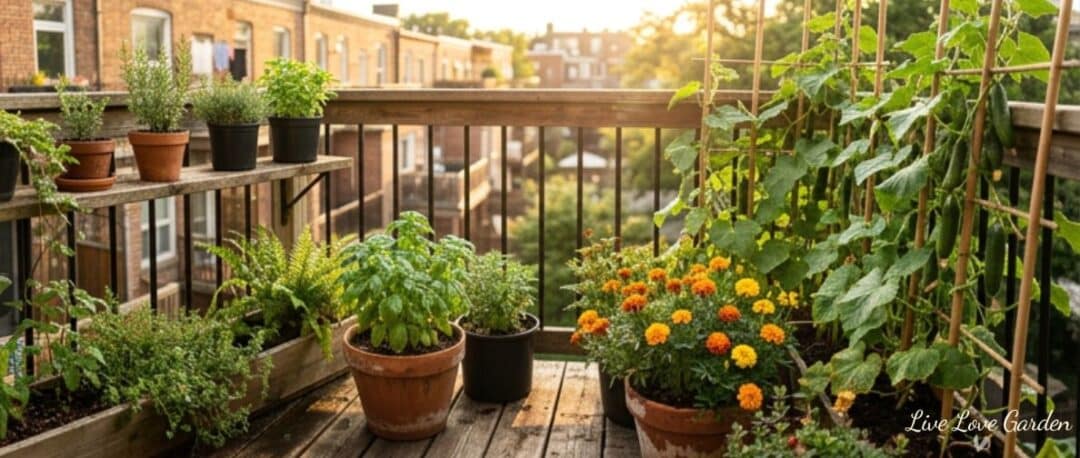
Best Cucumber Varieties for Containers
Not all cucumbers are created equal—especially when you’re working with limited space. Choosing the right variety can make the difference between a plant that quietly struggles and one that happily produces all summer long.
For container gardening, you’ll want to look for varieties that are either compact by nature or easy to train vertically. Luckily, there are plenty of options that thrive in pots and small gardens.
Bush Varieties (Compact and Easy)
Bush cucumbers are bred to stay smaller and more manageable, making them ideal for beginners or anyone with very limited space.
- Spacemaster: A reliable, compact plant that still produces full-sized cucumbers
- Bush Champion: Great for containers with strong disease resistance
- Salad Bush: Perfect for small pots and quick harvests
These varieties don’t require much support, which keeps things simple. If you’re just getting started, bush cucumbers are often the easiest way to build confidence.
Vining Varieties (Higher Yield, Vertical Growth)
If you’re willing to add a trellis or support, vining cucumbers can be incredibly productive—even in a small footprint.
- Marketmore: A classic, dependable slicing cucumber
- Picolino: Compact, disease-resistant, and great for containers
- Lemon cucumber: Round, yellow, and slightly sweet—adds variety to your garden
These varieties love to climb, making them a natural fit for vertical growing techniques. By guiding them upward, you’ll save space, improve airflow, and often see a bigger harvest.
If space is limited, grow upward. A single climbing cucumber plant can transform a small corner into something surprisingly abundant.
If you’re unsure which to choose, start with one bush variety and one vining variety. It’s a simple way to see what works best in your space while learning how each plant behaves.
Sunlight Requirements for Healthy Growth
Cucumbers are true sun-lovers. If there’s one thing they consistently ask for, it’s light—and plenty of it.
To grow strong, productive plants, aim for at least 6 to 8 hours of direct sunlight each day. More sun typically means faster growth, stronger vines, and better-tasting fruit.
Finding the Best Spot
- South-facing patios and balconies are ideal
- Look for areas that receive uninterrupted midday sun
- Avoid spots shaded by walls, railings, or nearby buildings
If you’re gardening in a small or partially shaded space, don’t worry—cucumbers will still grow. They just may produce fewer fruits or take a little longer to mature.
What Happens Without Enough Sun?
- Slower growth
- Fewer flowers and fruits
- Leggy, stretched-out vines
In tight urban environments, sometimes it’s less about finding the perfect spot and more about making the most of what you have. Rotating your containers every few days or adjusting their position with the shifting light can make a noticeable difference.
If you’re still setting up your space, you might find inspiration in this beginner-friendly guide to starting a garden, which walks through how to choose and optimize your growing area.
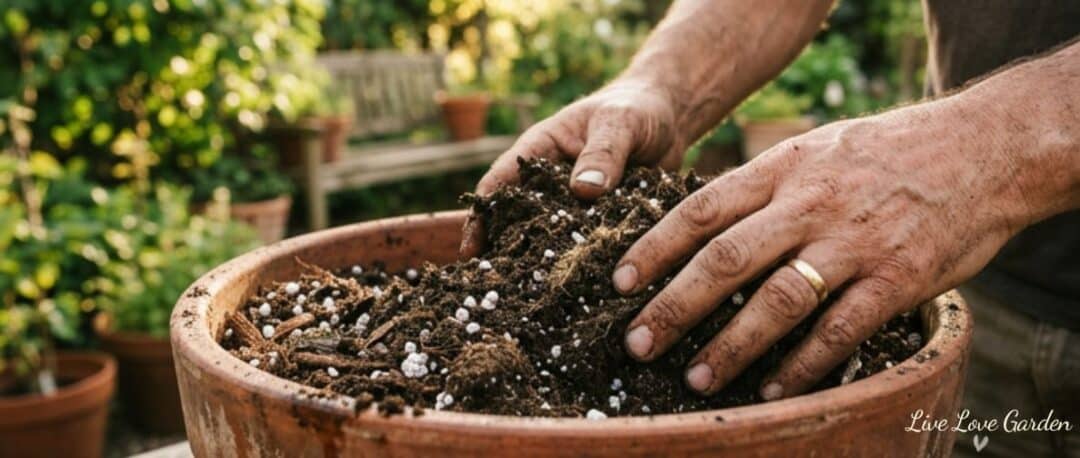
The Best Soil for Container Cucumbers
If containers are the home, soil is the heartbeat. It’s where your cucumbers draw everything they need—water, nutrients, and stability. And in container gardening, soil quality matters even more because your plants rely entirely on what you give them.
Using the right mix creates the kind of environment where roots can breathe, absorb moisture evenly, and grow strong enough to support steady fruit production.
A Simple, Effective Soil Mix
- High-quality potting mix (lightweight and well-draining)
- Compost (adds nutrients and improves soil structure)
- Perlite or vermiculite (helps with drainage and aeration)
This combination creates a balance between holding enough moisture and allowing excess water to drain away—something cucumbers need to stay healthy and productive.
Avoid using regular garden soil in containers. It tends to compact, restrict airflow, and can lead to poor root development.
Why Soil Quality Matters So Much
- Better drainage prevents root rot
- Healthy roots support stronger vines and more fruit
- Balanced nutrients encourage consistent growth
If you enjoy building your garden in a more natural, sustainable way, you might also appreciate techniques like no-dig gardening methods, which focus on enriching soil over time rather than constantly replacing it.
Think of your soil as something alive. When it’s balanced and well cared for, your cucumbers don’t just survive—they thrive.
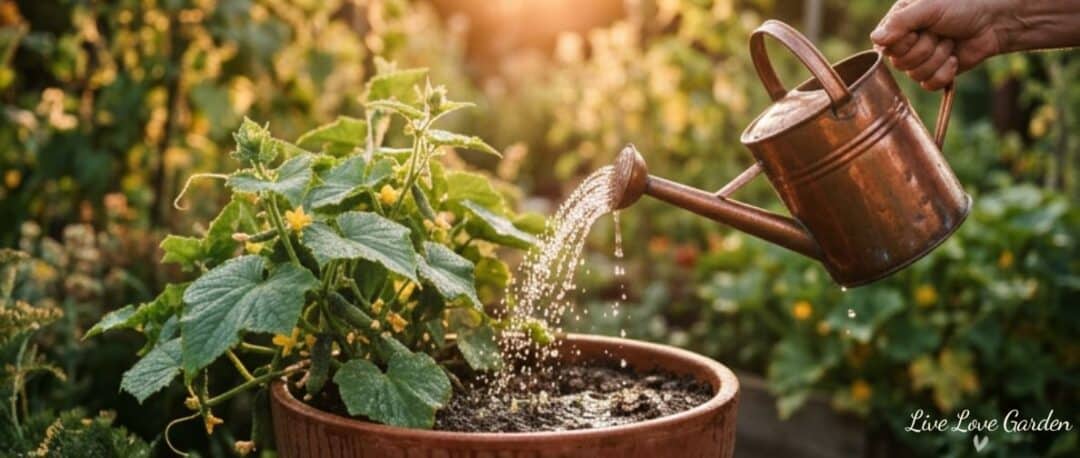
How to Water Cucumbers in Containers (Without Overdoing It)
Watering is where many container gardens quietly succeed—or slowly struggle. Cucumbers, in particular, are a bit like summer guests who always arrive thirsty. They need consistent moisture, but they don’t want to sit in soggy soil either.
Finding that balance is one of the most important skills you’ll develop as you grow cucumbers in containers.
How Often Should You Water?
- Check daily during warm weather
- Water deeply until it drains from the bottom
- Expect to water more often during heat waves—sometimes even twice a day
Container soil dries out much faster than in-ground gardens, especially in direct sun. Smaller pots dry out even quicker, which is another reason larger containers tend to perform better.
Signs Your Cucumbers Need Water
- Leaves drooping or wilting
- Dry soil an inch below the surface
- Slow or stalled growth
Signs You May Be Overwatering
- Yellowing leaves
- Soft stems
- Consistently wet, heavy soil
The goal is evenly moist soil—not dry, not soaked. A simple finger test works well: if the top inch feels dry, it’s time to water.
If you’d like to make watering more consistent and low-maintenance, systems like self-watering containers can help regulate moisture and reduce daily guesswork.
Consistent watering doesn’t just keep plants alive—it keeps your harvest tasting better, crisper, and less bitter.
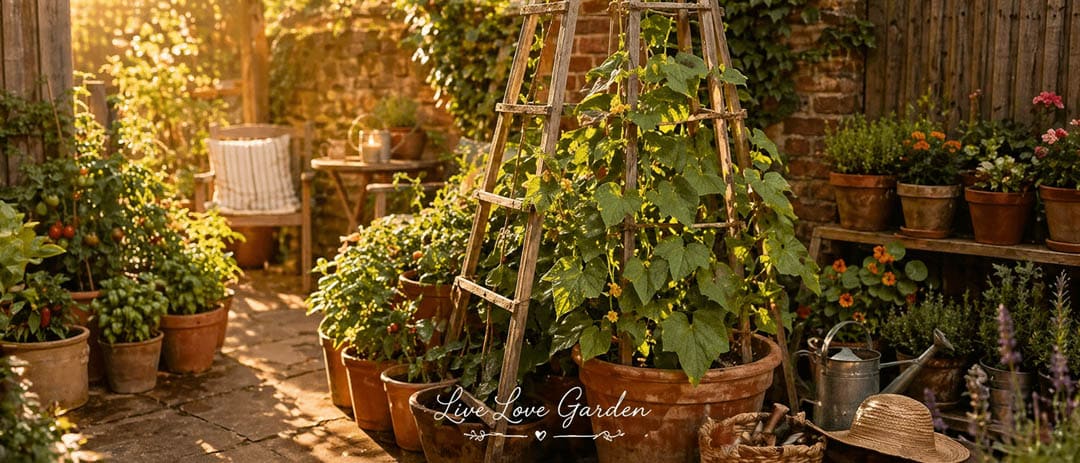
Supporting Your Cucumbers: Trellis vs Bush Growing
Cucumbers have a natural instinct to climb. Given the chance, they’ll reach upward, curling their tendrils around anything nearby. In a container garden, guiding that growth can completely transform how much space you use—and how much you harvest.
You have two main options: let them grow compact and low, or train them upward with support.
Why Growing Vertically Makes a Big Difference
- Saves valuable floor space
- Improves airflow (reducing disease risk)
- Keeps fruit cleaner and easier to harvest
- Often increases overall yield
Even a small patio can feel like a productive garden when plants start growing upward instead of outward.
Simple Trellis Options
- Classic trellis panels
- Tomato cages
- Bamboo teepees
- Repurposed ladders or fencing
There’s no need to overcomplicate it. Cucumbers aren’t picky—they just need something sturdy enough to hold their weight as they grow and fruit.
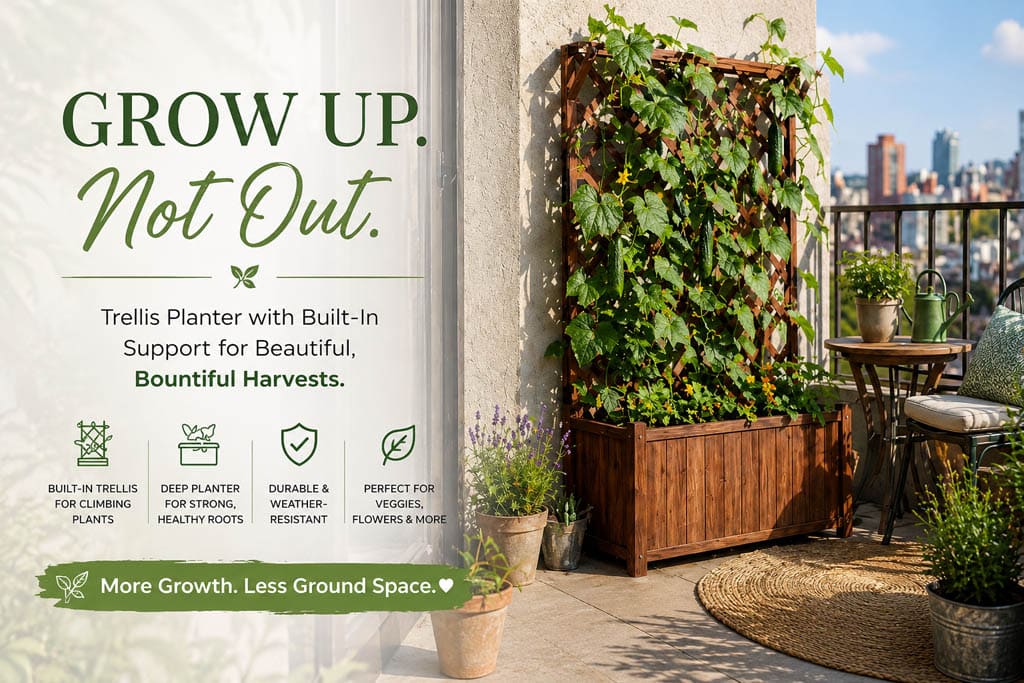
If you’re looking to expand this idea, vertical gardening techniques can help you turn even the smallest space into a layered, productive setup.
When Bush Growing Makes Sense
If you’re working with very limited height or want a simpler setup, bush varieties are a great option. They stay compact and don’t require support, though they typically produce a bit less than vining types.
Think of it this way: bush plants keep things simple, while vertical growing unlocks your garden’s full potential.
Fertilizing Cucumbers for a Steady Harvest
Cucumbers grow quickly—and they use a lot of energy doing it. In containers, nutrients don’t stick around as long as they do in the ground, so feeding your plants regularly helps keep growth strong and harvests consistent.
Without enough nutrients, cucumber plants may still grow, but they’ll produce fewer fruits and may look tired or underwhelming as the season goes on.
A Simple Feeding Routine
At planting: Mix compost or slow-release fertilizer into your soil
Every 2–3 weeks: Use a liquid fertilizer or compost tea
During fruiting: Choose a fertilizer higher in potassium to support production
Consistency matters more than complexity. A gentle, regular feeding schedule is far more effective than occasional heavy doses.
Signs Your Plant Needs Nutrients
Pale or yellowing leaves
Slow growth
Few flowers or fruits
Healthy plants should look vibrant and steadily produce new growth. If they seem to stall, a light feeding can often bring them back on track.
You can also support your soil naturally by incorporating composting practices. If you’re curious about simple ways to enrich your soil over time, this guide on home composting is a great place to start.
Think of fertilizer as a quiet support system—it works behind the scenes, helping your cucumbers keep producing long after they’ve settled into their container home.
Pollination: Why Your Cucumbers May Not Be Producing (And How to Fix It)
One of the most confusing moments in container gardening is this: your cucumber plant looks healthy, it’s growing beautifully, flowers are everywhere… but no cucumbers ever seem to form.
If that’s happening, the issue is often pollination—and the good news is, it’s easy to fix once you understand what’s going on.
Understanding Male vs Female Flowers
Cucumber plants produce two types of flowers, and both play a role in creating fruit.
- Male flowers: Appear first and grow on thin stems
- Female flowers: Have a tiny cucumber shape at the base (this becomes the fruit)
For a cucumber to grow, pollen from a male flower needs to reach a female flower. In outdoor gardens, bees and other pollinators usually handle this naturally.
But in small urban spaces—especially balconies or enclosed patios—pollinators may not visit as often. That’s when flowers drop without producing fruit, leaving gardeners wondering what went wrong.
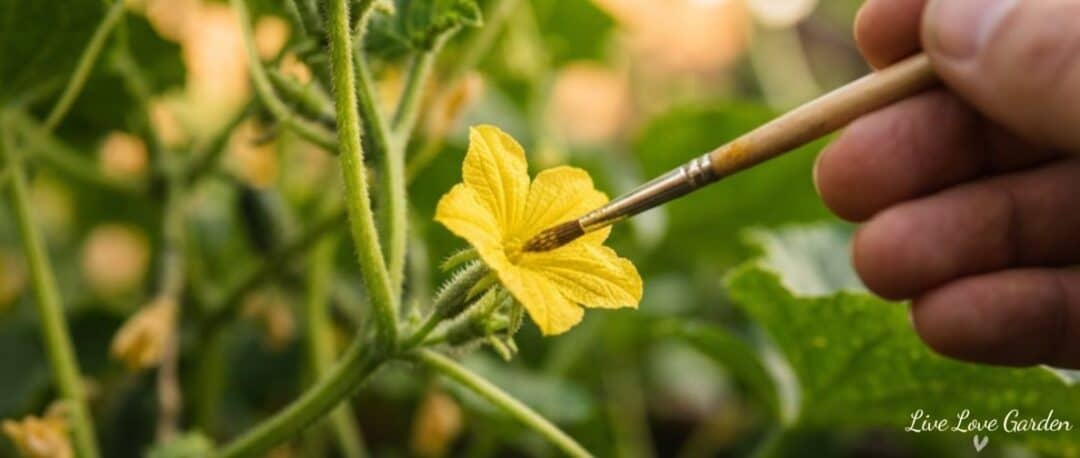
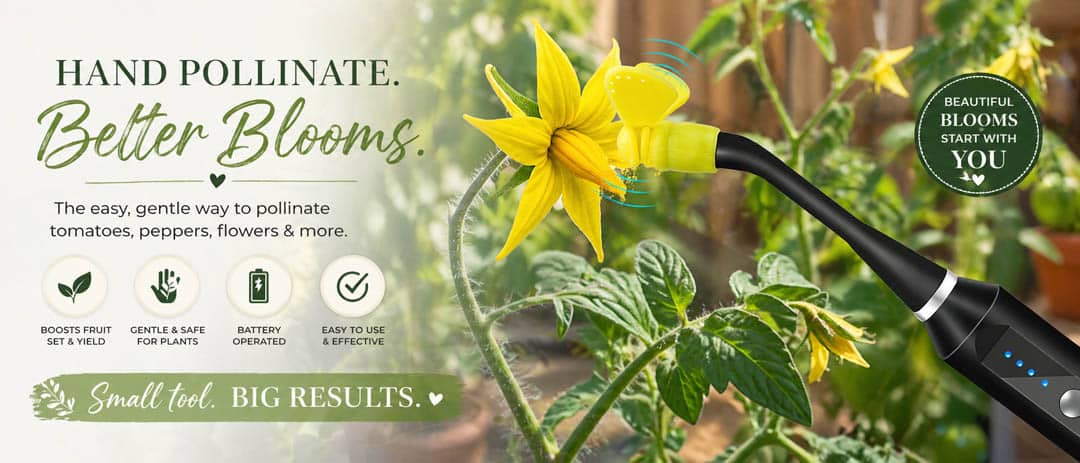
How to Hand Pollinate Cucumbers (Simple Method)
If nature isn’t doing the job, you can step in—and it takes less than a minute.
- Find a fully open male flower
- Use a small brush or cotton swab
- Gently transfer pollen to the center of a female flower
That’s it. With just a few seconds of effort, you can dramatically improve your plant’s ability to produce cucumbers.
Encouraging Natural Pollinators
If you’d rather let nature take the lead, you can make your space more inviting to pollinators by adding a few companion plants nearby.
Flowers like those featured in this guide to creating a pollinator-friendly garden can help bring bees and other helpful insects into your growing space—even in smaller environments.
Sometimes your garden doesn’t need more effort—it just needs a little connection between what’s already there.
A Quick Tip for Success
Don’t worry if you see flowers dropping early in the season. Cucumber plants often produce male flowers first before female flowers begin to appear. This is completely normal and part of their natural growth cycle.
Once both flower types are present and pollination is happening, you’ll start to see those tiny cucumbers develop—and from there, things tend to move quickly.
If your plant is otherwise healthy, pollination is often the missing piece between “it’s growing” and “it’s producing.”
Common Problems When Growing Cucumbers in Containers (And How to Fix Them)
Even when you’re doing everything “right,” cucumbers can sometimes throw you a curveball. Leaves change color, fruits taste off, or growth suddenly slows—and it’s easy to feel like you’ve missed something important.
The truth is, most cucumber problems are very common and completely fixable once you know what to look for. Think of these as small course corrections, not failures.
Healthy gardens aren’t perfect—they’re responsive. Every issue is just information in disguise.
Yellow Leaves
Yellowing leaves are one of the most frequent concerns in container gardening.
- Cause: Overwatering, poor drainage, or nutrient deficiency
- Fix: Let soil dry slightly between waterings and ensure proper drainage
If your soil stays consistently wet, roots can struggle to breathe. Improving drainage or adjusting your watering schedule usually brings plants back to life quickly.
No Cucumbers Forming
Lots of flowers but no fruit? This almost always comes down to pollination.
- Cause: Lack of pollinators or incomplete pollination
- Fix: Hand pollinate or attract pollinators
If you missed it earlier, revisit the pollination section above—this is one of the easiest issues to correct.
Bitter-Tasting Cucumbers
Few things are more disappointing than a cucumber that looks perfect but tastes… off.
- Cause: Inconsistent watering or heat stress
- Fix: Keep soil evenly moist and avoid letting plants dry out
Consistent watering is key here. Sudden dry spells followed by heavy watering can lead to bitterness developing in the fruit.
Powdery Mildew (White Dust on Leaves)
This common fungal issue shows up as a soft white coating on leaves, especially in warm, humid conditions.
- Cause: Poor airflow and moisture on leaves
- Fix: Water at the base, improve spacing, and remove affected leaves
Growing vertically can help reduce this issue by improving air circulation—another reason vertical setups are so effective in small spaces.
Wilting Plants (Even When Soil Is Wet)
Wilting isn’t always a sign of thirst. Sometimes it’s the opposite.
- Cause: Overwatering or root stress
- Fix: Check drainage and allow soil to dry slightly before watering again
Healthy roots need both water and oxygen. When soil stays too wet, roots can suffocate, leading to that droopy, stressed look.
Pests (Aphids, Beetles, and More)
Even in small container gardens, pests can occasionally show up—but they’re usually manageable without harsh chemicals.
- Common pests: Aphids, cucumber beetles, spider mites
- Fix: Spray with water, use neem oil, or introduce beneficial insects
Encouraging helpful insects can make a big difference. Natural allies like those discussed in this guide to beneficial garden insects can help keep pest populations in check without disrupting your garden’s balance.
Stunted Growth or Weak Plants
If your cucumber plant seems stuck—barely growing or producing—it’s often a sign something in its environment needs adjusting.
- Cause: Poor soil, lack of nutrients, or insufficient sunlight
- Fix: Improve soil quality, feed regularly, and ensure adequate light
Sometimes it’s not one big issue, but a combination of small ones. A little more sun, a little better soil, and a consistent routine can completely change how your plant performs.
The key is to observe, adjust, and keep going. Most cucumber plants bounce back quickly when their needs are met—and often reward you with even stronger growth afterward.
Harvesting Cucumbers and Boosting Your Yield
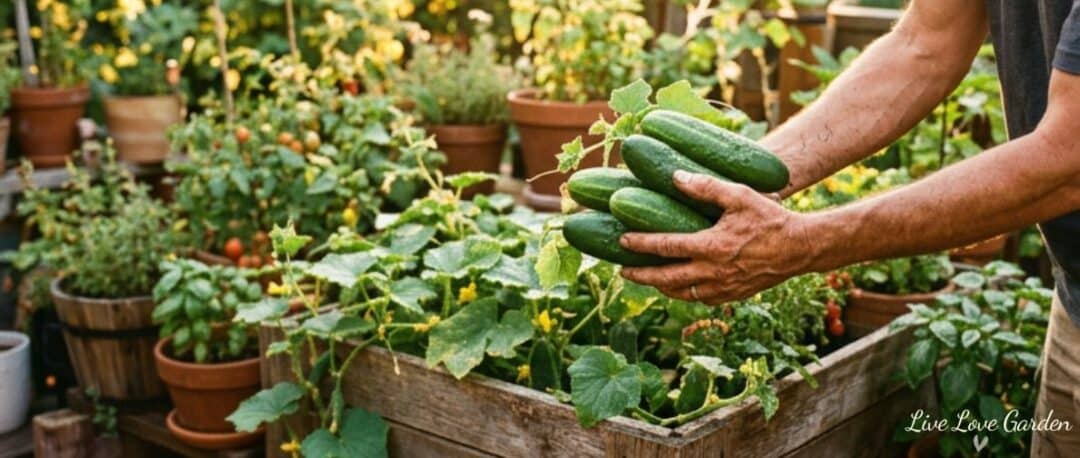
This is the moment everything leads to—the first cucumber ready to pick. It starts small, almost easy to miss, and then suddenly your plant is producing faster than you expected.
Harvesting isn’t just about collecting what’s ready. It’s also one of the simplest ways to encourage your plant to keep producing more.
When to Harvest Cucumbers
Cucumbers are best picked young, when they’re firm, crisp, and full of flavor. Waiting too long can lead to bitter taste and tougher skin.
- Pick slicing cucumbers when they reach about 6–8 inches long
- Pick pickling varieties smaller, around 3–5 inches
- Check daily during peak season—they grow quickly
A good rule of thumb: if it looks ready, it probably is. Cucumbers can go from perfect to overgrown in just a day or two.
How to Harvest Without Damaging the Plant
- Use clean scissors or garden snips
- Cut the stem just above the fruit
- Avoid pulling or twisting the vine
Being gentle helps the plant stay healthy and continue producing without stress.
How to Get More Cucumbers (Simple Yield Boosting Tips)
If you want your plant to keep producing all season long, a few small habits make a big difference.
- Harvest often: The more you pick, the more the plant produces
- Keep watering consistent: Prevent stress that slows production
- Feed regularly: Support continuous growth and fruiting
- Grow vertically: Improve airflow and sunlight exposure
- Remove overripe fruit: Prevent the plant from slowing down
When cucumbers are left on the vine too long, the plant shifts its energy into seed production instead of making new fruit. Regular harvesting keeps it in “production mode.”
The more you harvest, the more your plant gives back—it’s one of the simplest rhythms in the garden.
What to Do With Your Harvest
Once your cucumbers start coming in, you’ll likely have more than enough to enjoy fresh. That’s part of the joy—and sometimes the surprise—of growing them.
They’re perfect for salads, infused water, and of course, homemade pickles. If you’re looking for a simple way to preserve your harvest, this easy pickle recipe is a great place to start.
There’s something deeply satisfying about taking what you’ve grown and turning it into something you can enjoy long after the season passes.
And once your plant gets going, don’t be surprised if harvesting becomes part of your daily rhythm—just a quick step outside, a few cucumbers in hand, and a quiet moment of connection with something you helped grow.
Small Space Growing Tips for Bigger Harvests
One of the most surprising things about container gardening is how much you can grow in a small space—once you start thinking a little differently about how that space is used.
It’s not about having more room. It’s about using the space you have more intentionally.
Grow Up, Not Out
Vertical growing is one of the simplest ways to multiply your harvest without adding more containers.
- Use trellises, cages, or railings
- Train vines upward early
- Keep fruit off the ground for better airflow
If you haven’t explored it yet, vertical gardening techniques can completely change how productive your space feels.
Use Every Corner
Small gardens often have hidden potential—corners, edges, and overlooked spots that can support an extra plant or two.
- Tuck containers near railings or walls
- Use tiered plant stands
- Hang lightweight pots where possible
Even a single added container can noticeably increase your overall harvest.
Pair Plants Thoughtfully
Cucumbers grow well alongside herbs and other compact plants, allowing you to make the most of each container or small area.
- Plant basil or dill nearby to maximize space
- Add shallow-rooted greens around larger containers
- Mix edible plants with flowers to attract pollinators
If you’re looking to bring more life into your space, consider adding some of the plants from this guide to pollinator-friendly flowers for small gardens. A few well-placed blooms can make a big difference.
Rotate for Better Sunlight
In tight spaces, sunlight isn’t always evenly distributed. Rotating your containers every few days helps ensure all sides of the plant receive enough light.
It’s a small habit, but over time it can lead to stronger growth and more balanced plants.
Keep It Simple
It’s easy to feel like you need to do everything perfectly. But container gardening often works best when you keep things simple and consistent.
- Check your plants daily
- Water consistently
- Harvest regularly
Small actions, repeated over time, are what turn a few containers into a thriving, productive space.
A small garden doesn’t limit what you can grow—it just invites you to grow more intentionally.
Conclusion: A Small Space, A Steady Harvest
Growing cucumbers in containers is one of those experiences that quietly shifts how you see your space. What once felt limited starts to feel full of possibility. A single pot becomes a source of food, rhythm, and connection.
With the right container, good soil, steady watering, and a little attention along the way, cucumbers will reward you generously. They grow quickly, produce abundantly, and remind you that even the smallest spaces can offer something meaningful.
If you’re just getting started, don’t overthink it. One container, one plant, one trellis—that’s all it takes to begin. From there, it naturally grows into something more.
And if you’re ready to expand beyond cucumbers, you can explore more ideas in this guide to growing edible summer crops in small spaces, where you’ll find even more ways to turn your garden into a productive, nourishing space.
If you’re already growing cucumbers in containers, tomatoes make the perfect companion crop. This complete guide on how to grow tomatoes in small spaces shows how to get even more yield from your patio or balcony garden.
Your garden doesn’t have to be big to be abundant. It just needs a place to start.
Happy growing—and may your days be filled with sunlight, steady growth, and more cucumbers than you expected 🌿