
How to Start a Garden from Scratch: Planning Made Easy
Starting a garden from scratch can be an incredibly rewarding journey. Whether you’re dreaming of fresh vegetables, vibrant flowers, or a peaceful outdoor retreat, gardening opens the door to creativity, connection with nature, and personal growth. While it may feel overwhelming at first, a little planning and patience can transform even the simplest space into something truly thriving.
In this guide, we’ll walk through the essential steps to help you begin with confidence—from planning and soil preparation to choosing the right plants and caring for your growing space. By the end, you’ll feel ready to create a garden that reflects both your vision and your lifestyle.
1. Planning Your Garden: Where to Begin
Before planting a single seed, take a moment to step back and plan. Thoughtful preparation lays the foundation for a garden that not only grows—but flourishes.
Assess Your Space: Begin by observing the area you want to transform. Whether it’s a cozy balcony, a backyard corner, or a wide open plot, understanding the size and conditions of your space will guide every decision you make.
As you design your layout, consider incorporating edible landscaping
to create a garden that blends beauty with purpose—where every plant offers something both visual and nourishing.
Consider Sunlight and Shade: Sunlight shapes everything in your garden. Take note of how light moves across your space throughout the day. Some plants thrive in full sun, while others prefer cooler, shaded areas. Matching plants to their ideal light conditions will set them up for success.
Garden Tip
Track sunlight patterns for a full day before planting. Morning sun is gentle and ideal for many plants, while intense afternoon sun can be too harsh for delicate varieties.
Know Your Soil Type: Healthy soil is the quiet hero of every thriving garden. Take time to understand its texture, drainage, and nutrient levels. If needed, enrich your soil with compost or organic matter to create a fertile, life-giving foundation for your plants.
Start Simple, Grow Naturally
If you're feeling unsure, begin with a small section of your garden. A few well-tended plants often bring more joy and success than an overwhelming space. Gardening is a journey—let it unfold one step at a time.

2. Choosing the Right Plants for Your Garden
Choosing the right plants is one of the most important steps when starting a garden from scratch. The goal is to select varieties that naturally align with your climate, soil, and sunlight conditions—setting your garden up for success from the very beginning.
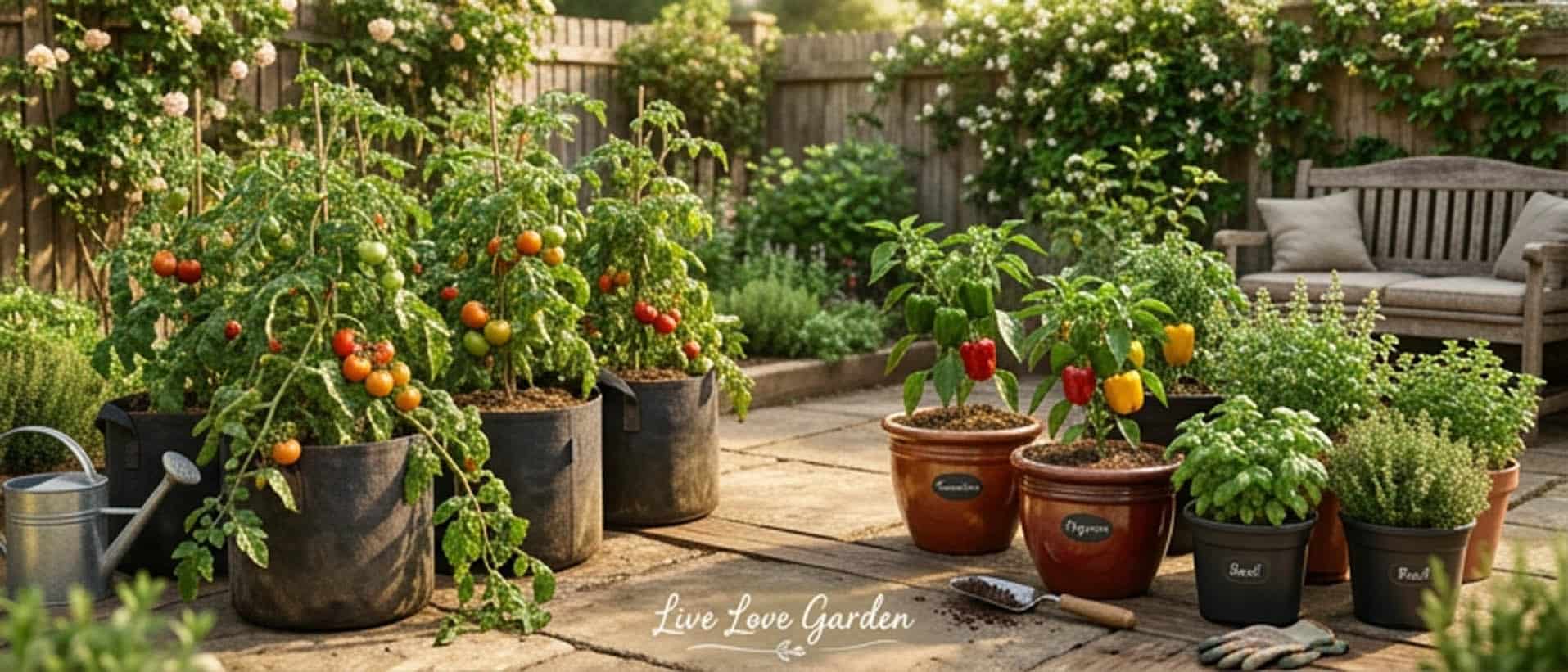
Start with Easy-to-Grow Plants: If you're new to gardening, begin with plants that are known for being resilient and forgiving. Leafy greens like lettuce, juicy tomatoes, and aromatic herbs such as basil and mint are excellent choices. For flowers, sunflowers, marigolds, and zinnias offer vibrant color with minimal fuss.
Beginner Tip
Start small with just a few plant varieties. It’s easier to care for a handful of thriving plants than to manage an overcrowded garden all at once.
Consider Seasonal Plants: Every plant follows its own seasonal rhythm. Cool-season crops like peas and spinach thrive in the gentler temperatures of spring, while warm-season favorites such as squash, beans, and pumpkins flourish as the days grow longer and warmer.
Plan with the Seasons
A well-planned garden evolves throughout the year. By rotating crops with the seasons, you can enjoy continuous harvests and keep your soil healthy and productive.
Native Plants for Sustainability: Adding native plants to your garden creates a space that works in harmony with nature. These plants are already adapted to your local climate, meaning they require less water, fewer inputs, and provide valuable support to pollinators and wildlife.
Garden Wisdom
Native plants don’t just survive—they belong. By choosing them, you’re creating a garden that supports birds, bees, and the natural rhythms of your local ecosystem.
3. Soil Preparation: Laying the Foundation for a Healthy Garden
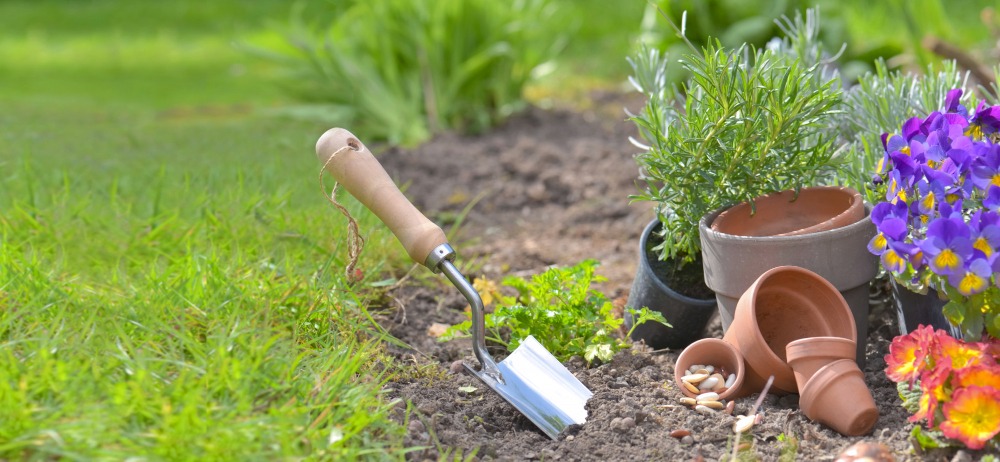
Healthy soil is the quiet backbone of every thriving garden. Before planting anything, taking time to prepare your soil creates the conditions your plants need to truly flourish.
Clear the Ground: Begin by removing weeds, rocks, and debris from your planting area. Weeds compete for water and nutrients, so clearing them early gives your garden a strong, stress-free start.
Garden Tip
Pull weeds after a light rain when the soil is soft—roots come out more easily, helping prevent regrowth.
Add Organic Matter: Enrich your soil with compost or well-rotted manure. Organic matter improves soil structure, enhances moisture retention, and provides essential nutrients that support healthy plant growth.
Soil Boost Blend
- Compost or aged manure
- Shredded leaves or organic mulch
- Garden soil mixed evenly
Blend these into your topsoil to create a rich, fertile base that encourages strong roots and steady growth.
Aerate the Soil: Loosening the soil allows air, water, and nutrients to reach plant roots more easily. Use a garden fork or tiller to gently aerate the soil to a depth of about 6–8 inches, helping prevent compaction and encouraging healthy development.
Test and Adjust pH Levels: Soil pH plays a key role in how well plants absorb nutrients. Most plants thrive in slightly acidic to neutral soil (around 6.0–7.0). If needed, you can adjust pH by adding lime to raise it or sulfur to lower it.
Did You Know?
Even nutrient-rich soil can struggle if the pH is off. A simple soil test can unlock better growth by helping you fine-tune your garden’s balance.

4. Planting Your Garden: Timing and Techniques
With your soil prepared, it’s time for the most exciting step—planting. This is where your garden begins to take shape, guided by both timing and thoughtful technique.
Plant at the Right Time: Timing is everything in the garden. Pay close attention to your region’s average frost dates and plan accordingly. Most plants thrive when planted after the last spring frost, while cool-season crops can often be started earlier in milder conditions.
Garden Tip
Keep a simple garden journal to track frost dates and planting times each year—your future garden will thank you.
Planting Techniques: Give each plant the space and depth it needs to thrive. Proper spacing improves airflow and reduces the risk of disease, while correct planting depth supports strong root development. Following seed packet or plant tag instructions can make all the difference.
Planting Wisdom
A little space now leads to healthier plants later. Crowded gardens may look full at first, but proper spacing allows each plant to reach its full potential.
Watering Properly: After planting, water gently but thoroughly to help settle the soil around the roots. Continue with consistent watering, especially during dry periods, but avoid overwatering. Focus on watering at the base of your plants to keep foliage dry and reduce the risk of disease.
Watering Tip
Early morning watering allows moisture to soak in before the heat of the day, helping plants stay hydrated and resilient.

5. Caring for Your Garden: Maintenance Tips for Success
With your plants rooted and growing, the next step is nurturing them into their full potential. Consistent care and gentle attention will keep your garden healthy, vibrant, and productive throughout the season.
Mulch to Retain Moisture: Adding a layer of mulch around your plants helps lock in moisture, regulate soil temperature, and suppress weeds. Organic options like straw, shredded leaves, or wood chips enrich the soil as they break down.
Did You Know?
Mulch acts like a protective blanket for your soil—keeping roots cool in the heat and warm during cooler nights.
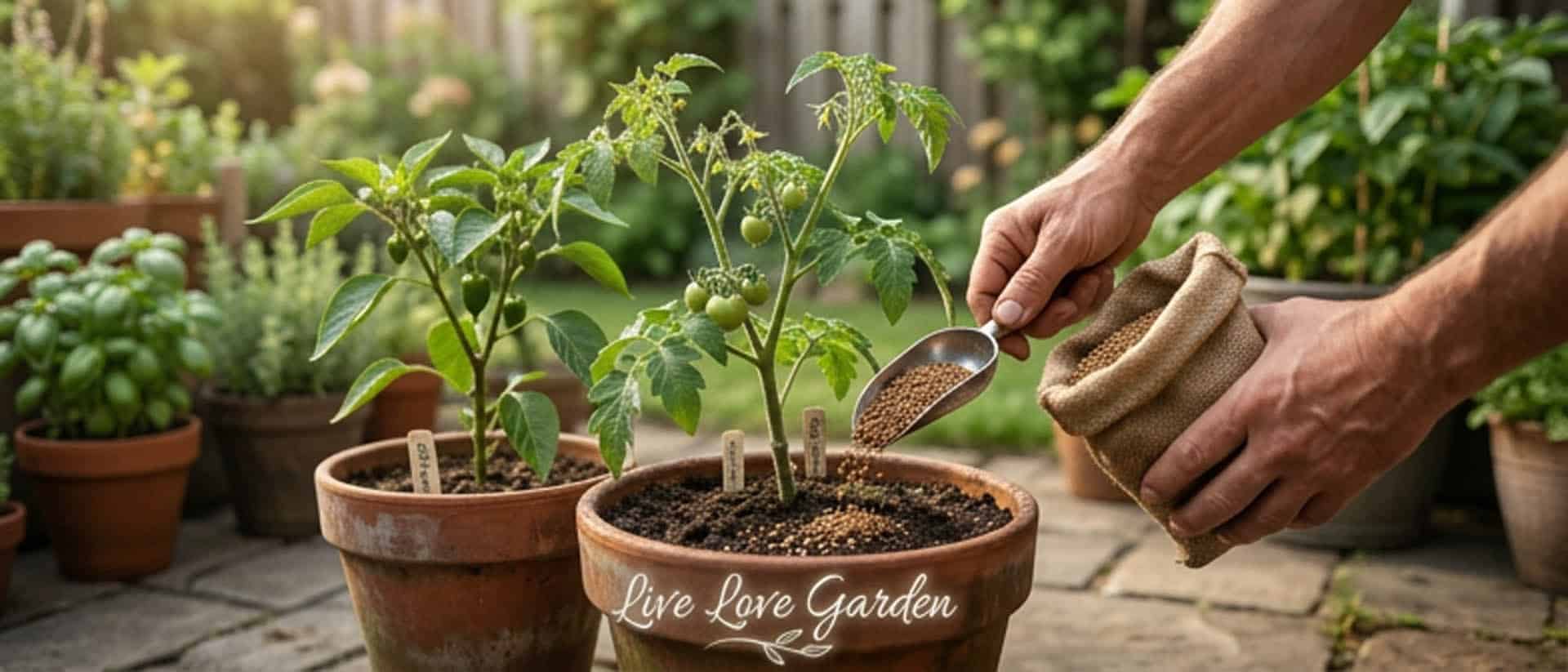
Fertilize Regularly: As plants grow, they draw nutrients from the soil. Replenish these nutrients with compost or a balanced organic fertilizer. Feeding your garden consistently supports steady, healthy growth.
Natural Feeding Tip
Compost tea or diluted fish emulsion can give plants a gentle nutrient boost without overwhelming them.
Watch for Pests and Diseases: Stay observant. Early signs of pests or disease are easier to manage before they spread. Common garden visitors like aphids, slugs, and caterpillars can be controlled with natural methods such as insecticidal soap or by inviting beneficial insects like ladybugs into your space.
Garden Balance
Not all insects are enemies. Many are helpers—pollinators and pest controllers that keep your garden ecosystem in harmony.
Prune and Deadhead: Regular pruning keeps plants healthy and encourages new growth. Remove dead or damaged branches, and deadhead spent flowers to promote continuous blooming and improve airflow throughout your garden.
Pruning Wisdom
A small trim can make a big difference. Thoughtful pruning helps shape your plants while encouraging stronger, more abundant growth.
6. Harvesting Your Garden: Enjoying the Fruits of Your Labor
This is the moment every gardener waits for—the quiet reward after weeks of care, patience, and growth. Harvesting is where your effort comes full circle, offering fresh flavors, vibrant colors, and a deeper connection to the rhythms of nature.
Harvesting Vegetables: For the best taste and texture, harvest vegetables in the early morning when they’re cool and full of moisture. Picking at the right time ensures peak flavor and encourages many plants to continue producing.
Harvest Tip
Frequent harvesting often leads to more growth. The more you pick, the more many plants will continue to produce throughout the season.
Enjoy Fresh Flowers: Bring your garden indoors by cutting flowers like dahlias and zinnias for fresh arrangements. Their color and fragrance add a touch of the garden to your everyday spaces.
Cut Flower Tip
Always leave some blooms behind. Not only does this keep your garden looking full and vibrant, but it also supports pollinators like bees and butterflies.
As you gather your harvest, take a moment to appreciate what you’ve created. Each leaf, bloom, and bite carries the story of your care—and the beginning of many more seasons to come.

Conclusion: Embrace the Journey of Gardening
Starting a garden from scratch may feel like a big undertaking at first, but the rewards unfold in ways both seen and unseen. Gardening invites you to slow down, connect with the natural world, and create something meaningful with your own hands. With each step, your garden becomes not just a space—but a living reflection of your care and creativity.
By following these simple steps, you’re laying the groundwork for a garden that will grow and evolve with you. Take it one step at a time, stay patient, and allow yourself to enjoy the process as much as the results.
A Gentle Reminder
Gardens aren’t built in a day—they’re grown over time, with care, curiosity, and a willingness to learn along the way.
Gardening is a journey filled with discovery, growth, and quiet moments of joy. There’s something deeply satisfying about watching your efforts take root and bloom into something beautiful.
From Seed to Sanctuary
Every garden begins with a single step—and yours is already underway. Keep growing, keep learning, and let your garden become a space you truly love.
Happy gardening 🌱
Sources
-
Old Farmer's Almanac – Vegetable Gardening for Beginners
https://www.almanac.com/vegetable-gardening-for-beginners -
University of Illinois Extension – Vegetable Gardening
https://extension.illinois.edu/vegetables -
Royal Horticultural Society – How to Start a Garden
https://www.rhs.org.uk/advice/beginners-guide -
University of Minnesota Extension – Starting a Garden
https://extension.umn.edu/find-plants/gardening-basics