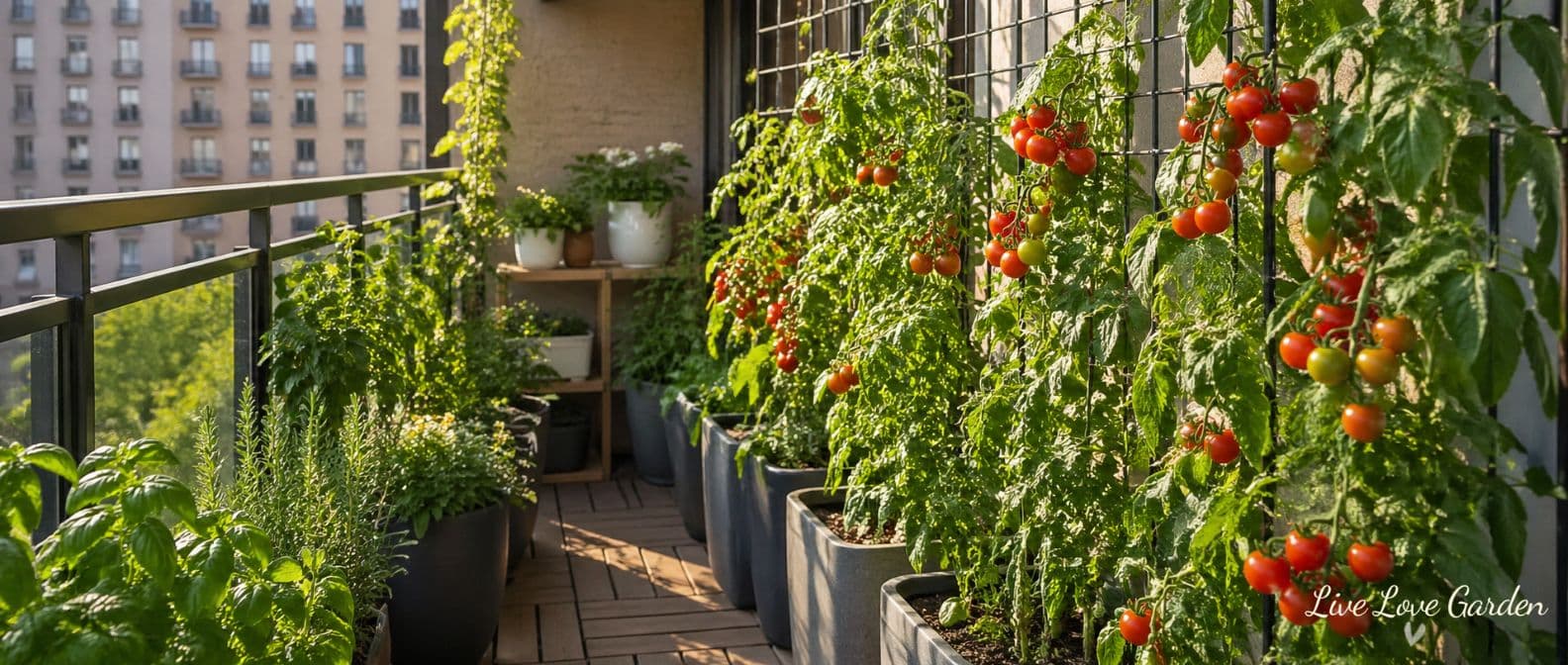
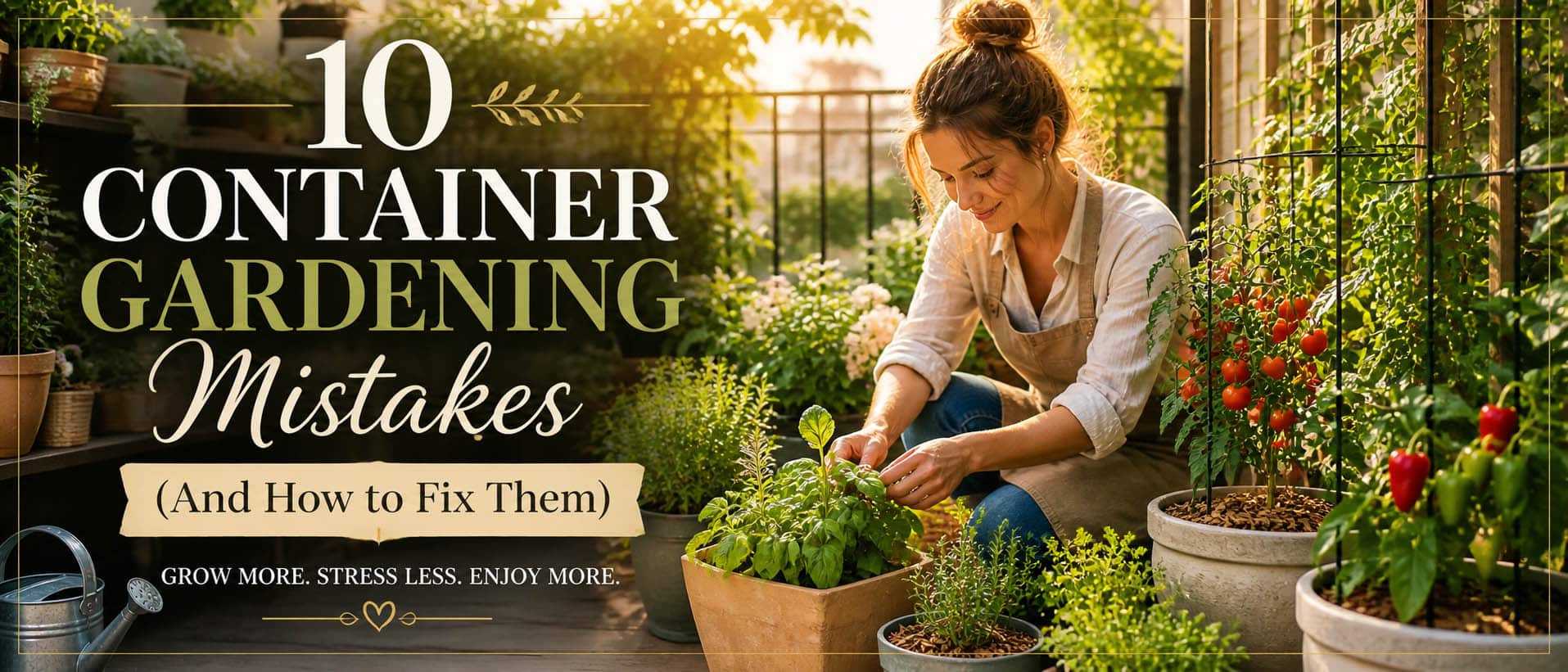
It starts the same way for so many gardeners…
You plant your seeds or seedlings with excitement. The sun is shining, the soil feels rich, and everything looks full of promise.
Then, slowly—sometimes almost overnight—things change.
Leaves yellow. Growth stalls. Once-thriving plants begin to look tired, stressed… or worse, they simply stop growing altogether.
If you’ve ever wondered why plants die in pots or struggled with a container garden not growing the way you expected, you are absolutely not alone.
In fact, most gardeners—especially beginners—run into the same handful of container gardening mistakes without even realizing it.
The good news?
These problems are not only common… they’re completely fixable.
A struggling plant isn’t a failure—it’s simply feedback.
Once you understand what’s going wrong, small adjustments can completely transform your results—leading to healthier plants, bigger harvests, and a container garden that truly thrives.
Let’s walk through the most common container gardening mistakes—and how to fix them before they ruin your harvest.
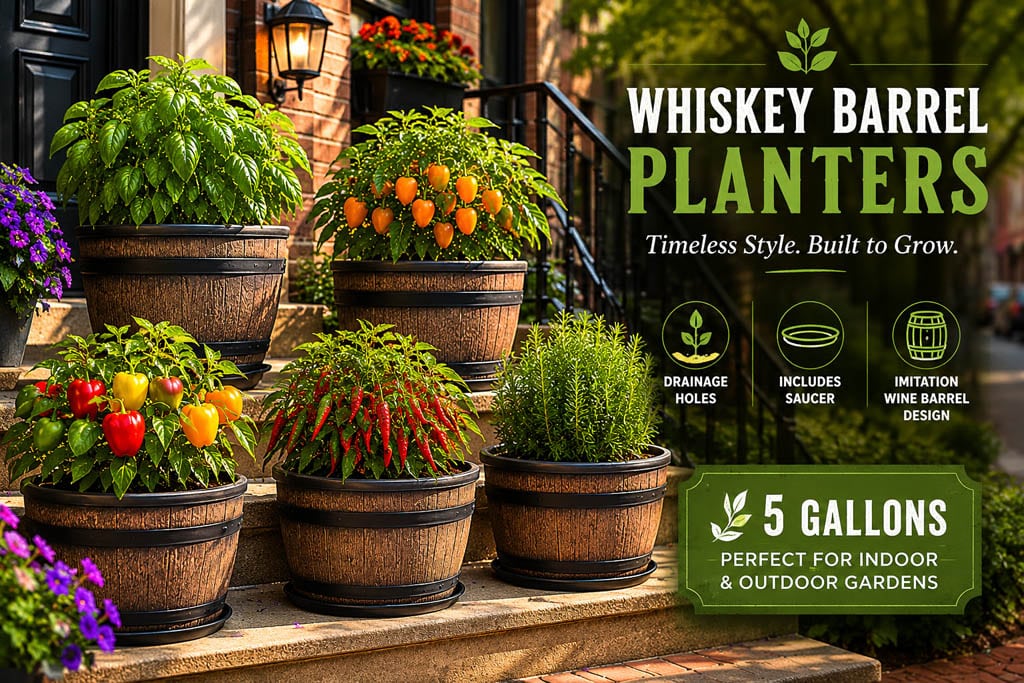
🚫 Mistake #1: Using the Wrong Container Size
The Problem: Cramped Roots, Stunted Growth
One of the most overlooked container gardening mistakes is simply choosing a pot that’s too small.
It’s an easy mistake to make—especially when you’re trying to save space or create a neat, compact setup.
But beneath the soil, your plant is quietly struggling.
Roots need room to stretch, breathe, and absorb nutrients. When they don’t have enough space, everything above the soil suffers.
- Plants stop growing or grow very slowly
- Leaves may turn yellow or drop early
- Soil dries out too quickly
- Harvests are small—or nonexistent
This is one of the biggest reasons people experience common container gardening problems and wonder why their plants just aren’t thriving.
The Fix: Give Roots the Space They Deserve
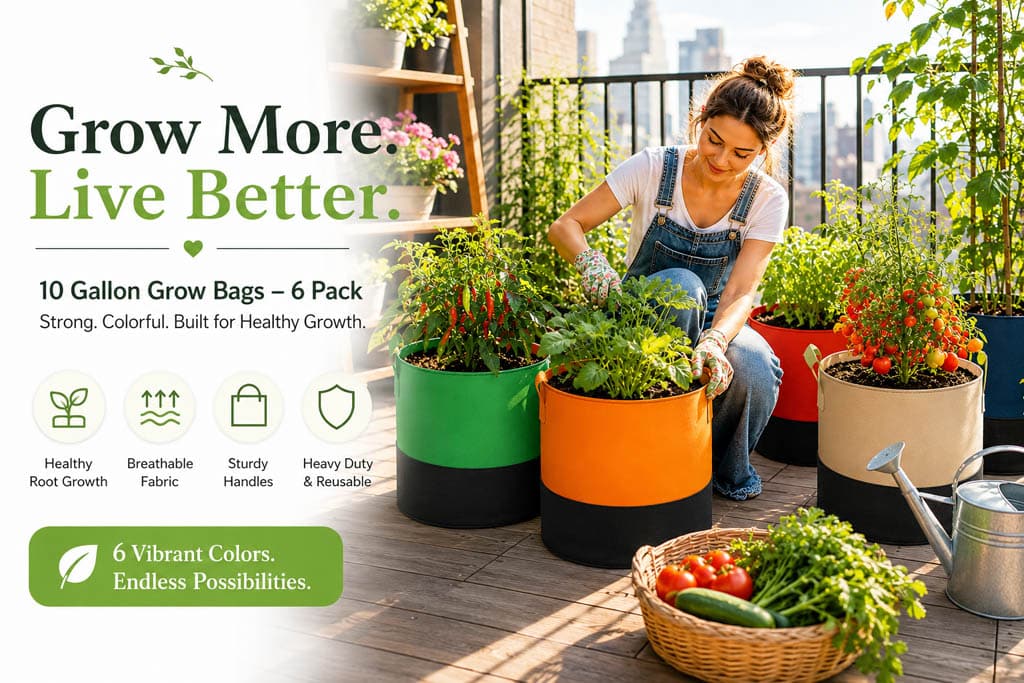
When it comes to container gardening, bigger is often better.
Larger containers don’t just give roots room—they also hold moisture longer and create a more stable environment for your plants.
See how fabric grow bags and plastic pots compare for healthier roots and bigger harvests. →
- Herbs: 6–8 inch pots minimum
- Lettuce & greens: 8–10 inches deep
- Peppers: 3–5 gallon containers
- Tomatoes: 5–10 gallon containers
- Cucumbers: 5 gallon minimum (with support)
If your container feels “just big enough,” it’s probably too small.
When in doubt, size up.
You’ll notice stronger growth, healthier leaves, and a much more forgiving watering schedule.
And if you’re growing climbing crops, proper container size becomes even more important—especially for plants like cucumbers that need both depth and support.
👉 If you want a step-by-step setup that works beautifully, take a look at
this guide to growing cucumbers in containers for small spaces—it walks you through exactly how to avoid one of the most frustrating beginner container gardening mistakes.
Getting the container size right is one of the simplest fixes—but it can completely change the trajectory of your garden.
💧 Mistake #2: Overwatering (The Silent Killer)
The Problem: Root Rot & Yellowing Leaves
If container gardening had a “most wanted” list… overwatering would sit right at the top.
It’s one of the most common container gardening mistakes, and ironically, it often comes from a place of care.
You see a drooping plant and think, “It needs more water.”
So you water again.
And again.
But beneath the surface, something very different is happening.
When soil stays constantly wet, roots can’t breathe. Instead of absorbing nutrients, they begin to suffocate and decay—leading to root rot, one of the biggest reasons behind why plants die in pots.
- Leaves turn yellow despite moist soil
- Growth becomes slow or stalled
- Soil feels heavy or soggy
- A slight sour or musty smell may develop
This is where many gardeners get stuck in a frustrating cycle—watering more to fix a problem that watering actually caused.
Too much love, in the form of water, can quietly drown a plant that would have otherwise thrived.
The Fix: Drainage, Awareness & a Gentle Rhythm
Fixing overwatering doesn’t mean watering less randomly—it means watering more intentionally.
Once you understand your plant’s rhythm, everything becomes easier.
- Always use containers with drainage holes
No drainage = trapped water = stressed roots - Use the “finger test”
Stick your finger 1–2 inches into the soil. If it feels dry, it’s time to water. If it’s still moist, wait. - Create a watering rhythm
Instead of watering on a strict schedule, adjust based on weather, plant size, and container type
Container gardens dry out faster than in-ground beds—but they also hold onto excess water differently, especially in larger or poorly draining pots.
The goal is balance: soil that feels like a wrung-out sponge—moist, but never soggy.
If you’ve been dealing with a container garden not growing or plants that seem stuck no matter what you do, adjusting your watering habits can often unlock instant improvement.
👉 Want to master the timing and take the guesswork out completely? This upcoming guide on self-watering container systems will help you create a setup that keeps moisture perfectly balanced with minimal effort.
Once you dial in your watering, your plants stop struggling—and start thriving.
Affiliate Link
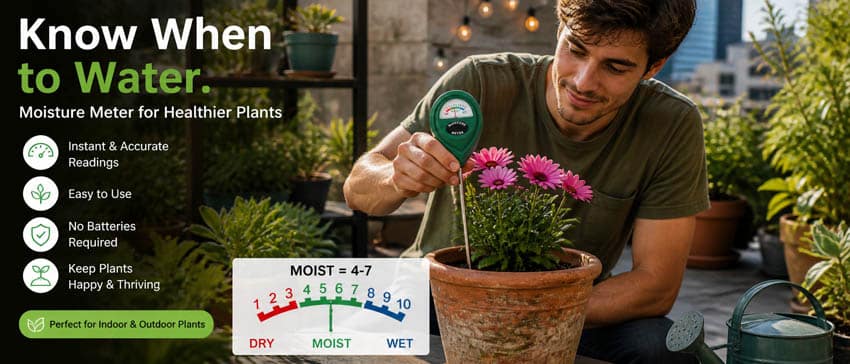
Take the guesswork out of watering—this simple moisture meter helps you grow healthier, happier plants with confidence.
Check soil moisture instantly →
🌵 Mistake #3: Underwatering in Hot Weather
The Problem: Dry Soil, Stressed Plants & Bitter Harvests
If overwatering is the silent killer… underwatering in summer is its sun-scorched cousin.
When temperatures climb—especially in hot climates—container plants can go from perfectly hydrated to completely dry in a matter of hours.
And unlike garden beds, containers don’t have deep soil reserves to buffer that loss.
The result?
- Dry, dusty soil that pulls away from the edges of the pot
- Wilting during the heat of the day
- Blossoms dropping before fruit can form
- Fruits developing poor flavor or bitterness
This is one of the most frustrating common container gardening problems—especially when everything else seems to be done right.
And if you’ve ever grown cucumbers that tasted unexpectedly bitter… inconsistent watering is often the hidden culprit 👀
When plants experience cycles of drought stress followed by sudden watering, it disrupts their natural development—impacting both growth and flavor.
In the heat of summer, consistency matters more than perfection.
The Fix: Stay Ahead of the Heat
Underwatering isn’t about neglect—it’s about not adjusting quickly enough to changing conditions.
Once the weather shifts, your watering habits need to shift with it.
- Check soil daily
During hot weather, containers may need water every day—or even twice a day during extreme heat - Add mulch to retain moisture
A layer of straw, shredded leaves, or bark helps keep soil cool and slows evaporation - Use larger containers
Bigger pots hold more soil, which means more moisture retention and less stress between waterings
If your container garden is not growing during the peak of summer, the issue may not be nutrients or sunlight—it may simply be that your plants are thirsty more often than you realize.
For crops like cucumbers, consistent moisture is the difference between crisp, refreshing harvests and disappointing, bitter fruit.
👉 If you’re growing cucumbers and want to avoid this completely, this step-by-step guide to growing cucumbers in containers walks you through exactly how to maintain even moisture for the best flavor and yield.
Once you learn to read your containers like a daily rhythm instead of a fixed schedule, your plants will reward you with stronger growth—and harvests that taste the way they should.
🌱 Mistake #4: Using the Wrong Soil
The Problem: Compaction & Poor Drainage
Soil might look like a quiet background player in your container garden… but it’s actually the stage, the orchestra, and the entire performance.
And one of the most damaging container gardening mistakes is using the wrong kind.
Many gardeners reach for what’s familiar—garden soil straight from the ground or inexpensive topsoil from a bag.
But in containers, that choice can quickly backfire.
Unlike in-ground beds, pots don’t have natural drainage pathways or ecosystems to balance things out. Heavy soil becomes dense, compacted, and slow to dry—creating the perfect environment for struggling roots.
- Water sits instead of draining properly
- Roots can’t access oxygen
- Growth becomes slow, weak, or stalled
- Plants appear “stuck” despite regular care
This is one of the biggest hidden reasons behind why plants die in pots—and why a container garden not growing can feel so confusing.
In containers, soil isn’t just where plants live—it’s how they breathe.
The Fix: Build a Light, Living Soil Blend
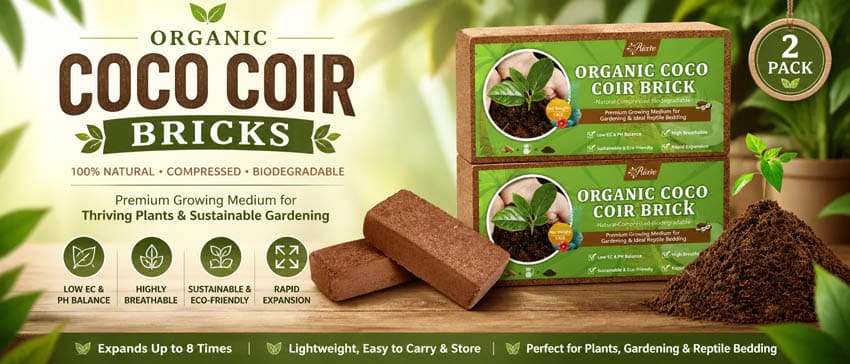
The goal for container soil is simple: light, airy, and able to hold moisture without becoming heavy.
Instead of using garden soil alone, create a balanced mix that supports both drainage and nutrition.
- High-quality potting mix (your base for structure and drainage)
- Compost (for nutrients and microbial life)
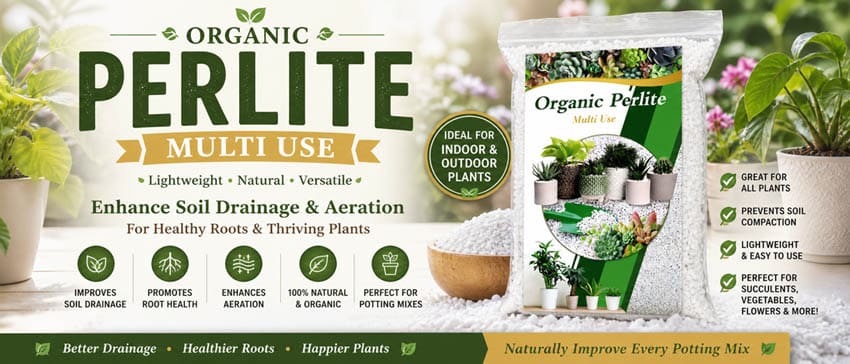
- Aeration material like perlite, pumice, or coarse sand (to keep soil loose and breathable)
This combination creates a soil environment that holds just enough moisture while still allowing excess water to drain freely—preventing both overwatering and compaction issues.
If you’ve been dealing with beginner container gardening mistakes or trying to fix ongoing container gardening problems, upgrading your soil mix can be one of the fastest, most noticeable improvements.
Healthy soil doesn’t just support your plants—it actively fuels them.
👉 If you want to take your soil even further, learning how to create rich, living compost at home can dramatically improve your results. This beginner-friendly guide to composting at home shows you how to turn everyday scraps into powerful plant nutrition.
Once your soil is working with your plants instead of against them, everything else—watering, growth, and harvest—becomes easier and more rewarding.
☀️ Mistake #5: Not Enough Sunlight
The Problem: Weak, Leggy Growth & Low Yields
Sunlight is the quiet engine behind every thriving container garden.
And when there isn’t enough of it… plants don’t just slow down—they stretch, strain, and struggle.
This is one of the most underestimated container gardening mistakes, especially in small spaces where light can be blocked by walls, railings, or nearby trees.
At first, everything may seem fine. Your plants are alive, leaves are forming…
But then you notice the signs:
- Long, thin stems reaching toward the light
- Fewer flowers—and even fewer fruits
- Pale or undersized leaves
- Overall slow, weak growth
This is what gardeners call “leggy growth,” and it’s a clear signal your plants are searching for more sun than they’re getting.
For fruiting crops like tomatoes and peppers, this often leads to disappointing harvests—even if everything else is done right.
You can water perfectly, feed consistently, and use the best soil—but without enough sunlight, your plants are running on empty.
The Fix: Maximize Every Ray
Most edible plants—especially those grown for fruit—need at least 6–8 hours of direct sunlight each day to truly thrive.
And in container gardening, the good news is… you can move your garden to meet the sun.
- Aim for 6–8 hours of full sun
South- or west-facing areas usually provide the strongest light - Rotate containers regularly
Turn pots every few days so all sides of the plant receive even sunlight - Choose your placement wisely
Watch how sunlight moves across your space throughout the day—balconies, patios, and corners can create unexpected shade patterns
If your container garden is not growing or producing very little, sunlight is often the missing piece.
Even an extra hour or two of direct sun can dramatically improve plant strength and yield.
👉 If you're working with limited light, vertical setups can help you capture more sun in small spaces. This guide on vertical gardening techniques shows you how to position plants for better exposure and healthier growth.
Once your plants are bathing in the light they need, you’ll notice the difference quickly—stronger stems, deeper color, and harvests that finally live up to their potential.
🌿 Mistake #6: Overcrowding Containers
The Problem: Competition, Disease & Poor Airflow
There’s something so tempting about filling every inch of a container.
More plants… more harvest… right?
Not quite.
Overcrowding is one of those subtle container gardening mistakes that looks productive at first—but quietly limits everything beneath the surface.
When too many plants share the same space, they begin competing for the same essentials:
- Water
- Nutrients
- Sunlight
- Root space
And instead of thriving together, they all end up struggling.
On top of that, dense foliage reduces airflow—creating the perfect conditions for fungal issues and common container gardening problems like mildew or leaf spot.
- Plants stay damp longer after watering
- Leaves crowd and overlap
- Growth becomes uneven or stunted
- Harvest size and quality decline
This is often a hidden reason behind a container garden not growing the way you expected.
In container gardening, space isn’t wasted—it’s an investment in stronger, healthier plants.
The Fix: Give Each Plant Room to Thrive
Healthy spacing may feel like you’re planting less… but it almost always leads to harvesting more.
When each plant has room to grow, it can fully develop its root system, access nutrients more efficiently, and receive better airflow and sunlight.
- Follow plant-specific spacing recommendations
Seed packets and plant tags are more helpful than they seem - Limit large plants to one per container
Tomatoes, peppers, and cucumbers typically perform best with their own space - Pair wisely if combining plants
Mix shallow-rooted herbs with deeper-rooted vegetables to reduce competition
If you’ve been making beginner container gardening mistakes, this is one of the easiest to correct—and one of the fastest to improve your results.
Because here’s the truth:
One healthy, well-spaced plant will often outperform three crowded ones.
👉 If you’re planning a productive small-space garden, this guide on choosing the best edible crops for small spaces can help you select plants that naturally thrive without overcrowding.
When you give your plants breathing room, they reward you with stronger growth, fewer problems, and a harvest that feels abundant—not forced.
🌼 Mistake #7: Skipping Fertilizer
The Problem: Nutrient Depletion & Weak Growth
At first, your container garden may look like it’s thriving on its own.
Fresh soil, bright light, regular watering… everything seems to be in place.
But after a few weeks, something shifts.
Growth slows.
Leaves lose their vibrant color.
Plants begin to look… tired.
This is one of the most common container gardening mistakes—assuming the soil will continue to feed your plants indefinitely.
In reality, nutrients in containers are limited. Every time you water, small amounts of those nutrients wash away. Over time, your plants are left running on empty.
- Pale or yellowing leaves
- Slow or stunted growth
- Reduced flowering and fruit production
- Overall lack of vigor
This is a key reason behind why plants die in pots or why a container garden not growing can feel confusing—especially when everything else seems right.
In containers, nutrients don’t renew themselves—you have to replenish what’s been used.
The Fix: Feed Consistently, Not Excessively
Fertilizing doesn’t need to be complicated or overwhelming.
In fact, a simple, steady routine is far more effective than occasional heavy feeding.
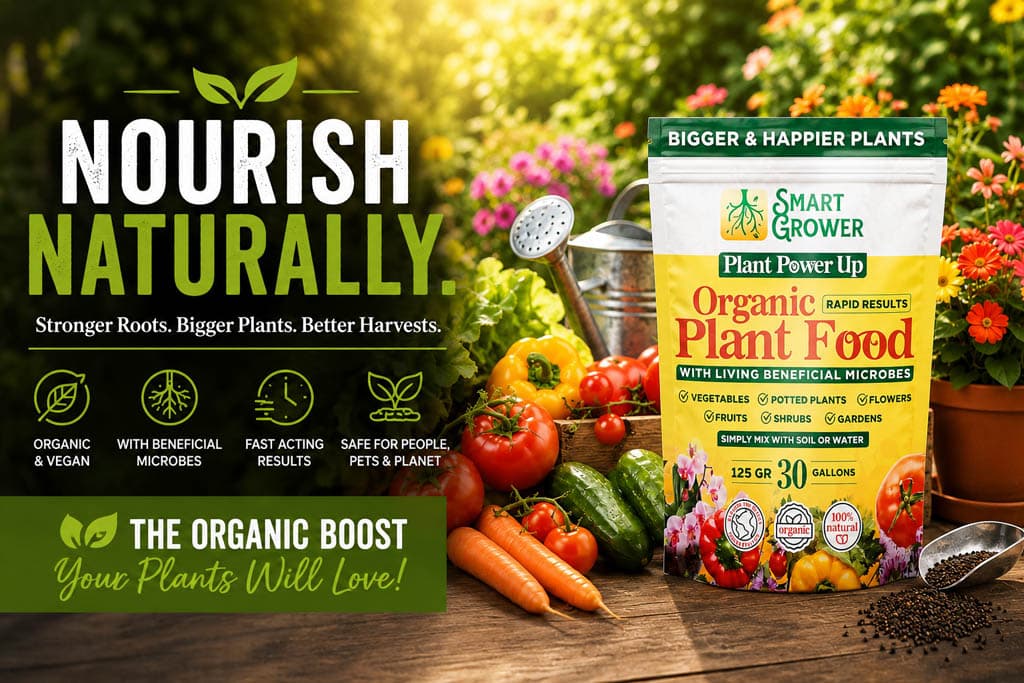
- Use a balanced fertilizer regularly
Feed every 1–2 weeks during the growing season for consistent results - Choose your style: organic or liquid
Organic fertilizers (like compost or slow-release blends) build soil health over time, while liquid fertilizers provide quick, readily available nutrients - Start light and adjust as needed
Over-fertilizing can cause its own problems, so it’s better to feed gently and observe how your plants respond
If you’ve been troubleshooting container gardening problems, adding a simple feeding schedule can often unlock faster growth, deeper color, and significantly better yields.
For fruiting plants especially, consistent nutrients make all the difference between a struggling plant and a productive one.
👉 If you want to naturally boost your soil and reduce reliance on store-bought fertilizers, this guide on using eggshells in compost shows an easy way to add calcium and support stronger plant development.
Once your plants are properly fed, you’ll notice the shift—lush growth, stronger stems, and harvests that feel abundant instead of limited.
🌿 Mistake #8: No Support for Climbing Plants
The Problem: Sprawl, Disease Risk & Lower Yields
Some plants simply aren’t meant to grow low and wide—they’re natural climbers, always reaching for something to hold onto.
But when support is missing, they don’t stop growing… they just start sprawling.
This is one of those container gardening mistakes that often goes unnoticed until your plants are tangled, crowded, and struggling.
- Vines spread across the soil surface
- Leaves stay damp longer, increasing disease risk
- Fruits sit directly on the soil and may rot
- Harvests become smaller and harder to manage
Without vertical support, airflow decreases and sunlight can’t reach all parts of the plant—leading to many common container gardening problems at once.
And in small spaces, sprawl quickly turns into chaos.
When climbing plants have nothing to reach for, they fall into patterns that limit their potential.
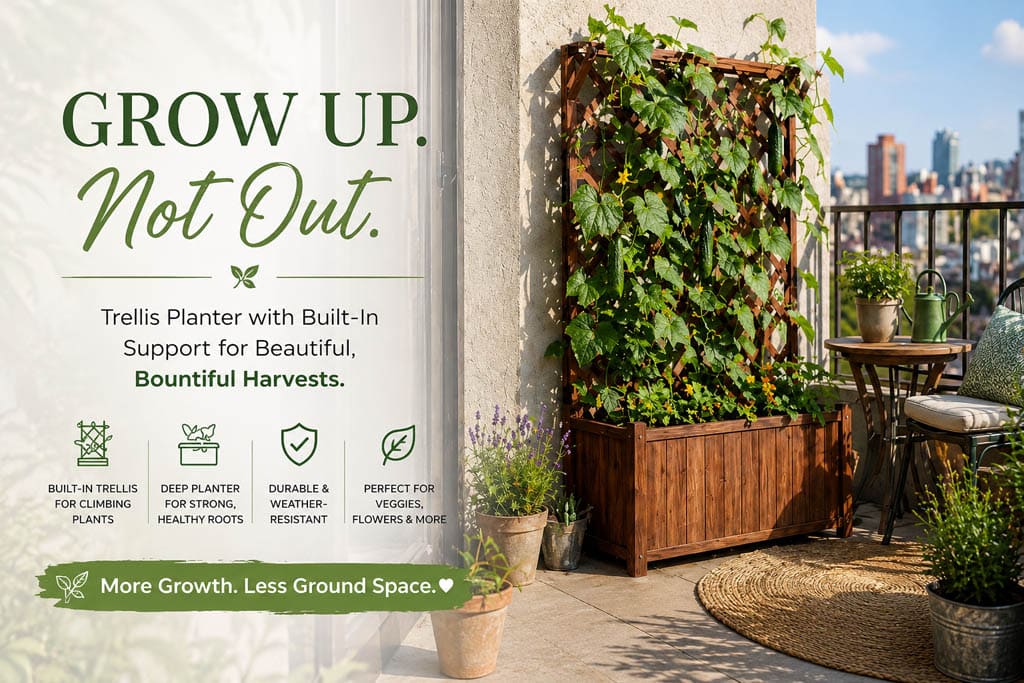
The Fix: Grow Up, Not Out
Supporting your plants isn’t just about keeping things tidy—it’s about improving plant health, airflow, and productivity.
Vertical growth allows each leaf to access more light and keeps fruits clean, dry, and easier to harvest.
- Trellises
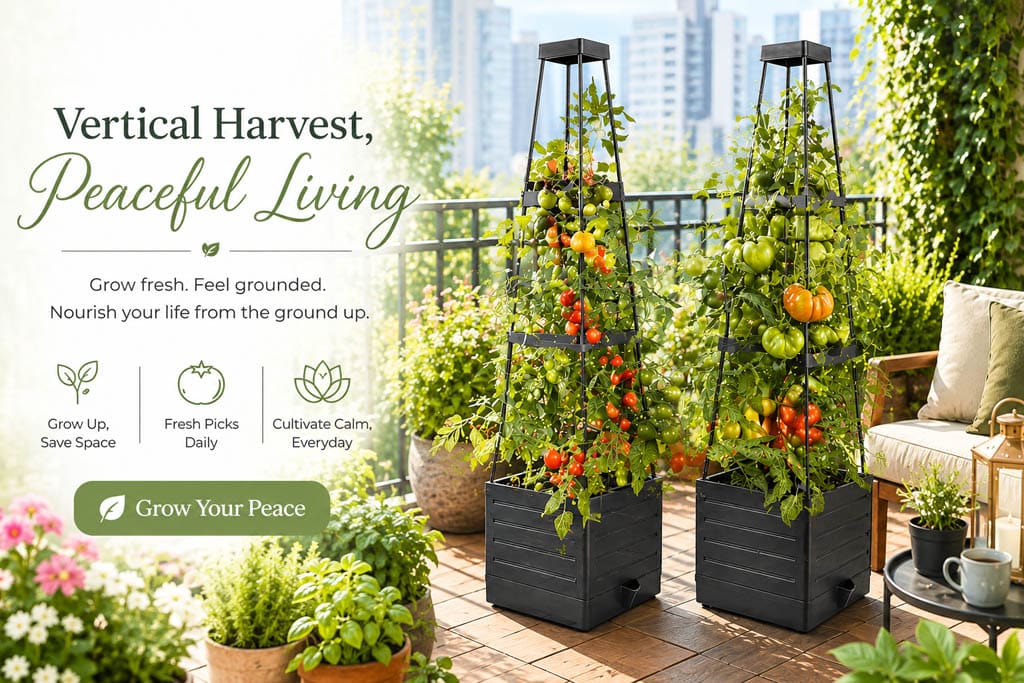
Perfect for cucumbers, beans, and vining crops that love to climb - Cages
Great for tomatoes and peppers that need structure as they grow upward - Vertical systems
Wall planters, stacked containers, or string supports help maximize space and sunlight
If your container garden is not growing as expected or feels overcrowded despite your best efforts, adding vertical support can instantly improve airflow, reduce disease risk, and boost yields.
👉 Want to make the most of every inch of your space? This guide on vertical gardening shows you exactly how to grow more food in less room while keeping your plants healthier and more productive.
Once your plants have something to climb, everything changes—growth becomes more organized, harvests increase, and your garden begins to feel both abundant and beautifully intentional.
🐛 Mistake #9: Ignoring Early Warning Signs
The Problem: Small Issues Become Big Ones
Plants are constantly communicating… just not in words.
They signal through color, growth patterns, leaf texture, and subtle changes that are easy to miss if you’re not looking closely.
And one of the most costly container gardening mistakes is waiting too long to notice those signals.
What starts as a minor issue—something easily corrected—can quickly grow into a much bigger problem if left unchecked.
- A few yellow leaves turn into widespread decline
- A small pest presence becomes an infestation
- Slow growth turns into complete stagnation
This is often why gardeners feel like their plants “suddenly” failed… when in reality, the signs were there all along.
They just needed a little more attention.
The earlier you notice a problem, the easier it is to gently guide your garden back on track.
The Fix: Build a Simple Daily Observation Habit
You don’t need complicated tools or long routines—just a few quiet moments each day to check in with your plants.
Think of it less like a chore… and more like a ritual.
- Yellowing leaves
Often a sign of watering imbalance or nutrient deficiency - Pests
Check the undersides of leaves for aphids, mites, or eggs - Slow or uneven growth
Can indicate issues with sunlight, root space, or soil health
This simple habit can prevent most common container gardening problems before they ever take hold.
If you’ve been dealing with beginner container gardening mistakes, this is one of the most empowering shifts you can make—because it puts you back in tune with your garden.
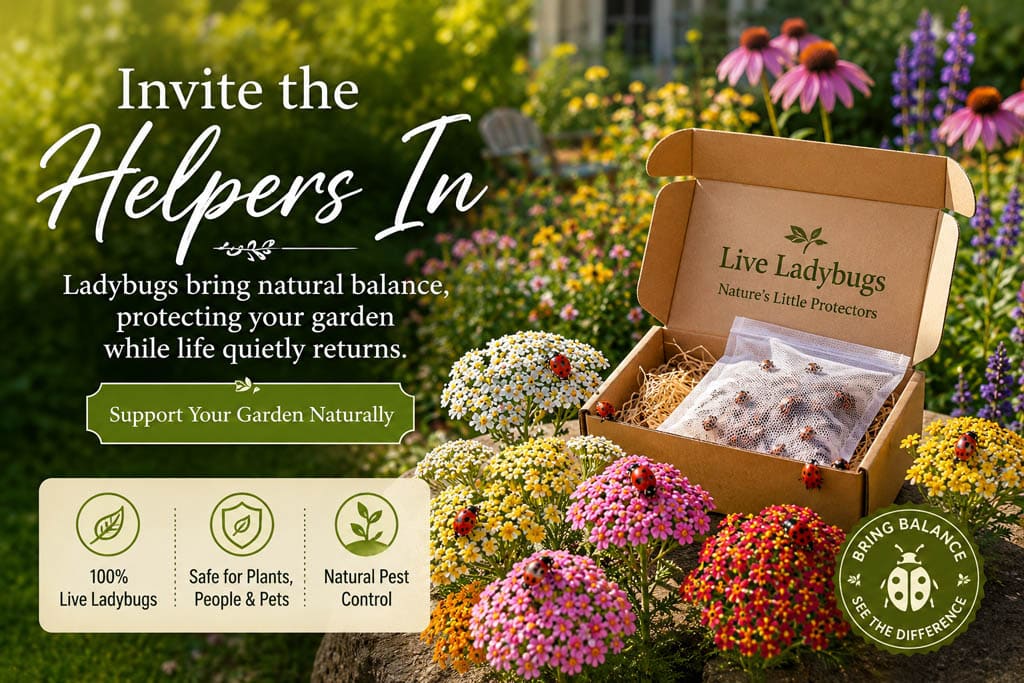
👉 If you do spot pests early, encouraging beneficial insects can make a huge difference. This guide on using ladybugs as natural pest control shows how to keep your garden balanced without harsh chemicals.
When you learn to notice the small things, your plants rarely reach the point of crisis—and your garden becomes a place of steady, confident growth.
🌸 Mistake #10: Expecting Perfection
The Problem: Giving Up Too Early
This might be the most human of all container gardening mistakes… and the one that quietly stops more gardens than anything else.
You try your best. You follow the steps. You care deeply.
And when something goes wrong, it can feel like failure.
But here’s the truth most experienced gardeners learn over time:
Nothing grows perfectly.
Leaves will yellow. Pests will visit. Some plants will thrive while others struggle—sometimes for reasons that aren’t immediately clear.
And when we expect perfection, every small setback feels bigger than it really is.
- You question your ability
- You feel discouraged
- You consider giving up before things have time to improve
This is often the hidden layer behind beginner container gardening mistakes—not a lack of skill, but a lack of space for learning.
A thriving garden isn’t built on perfection—it’s built on patience, observation, and small adjustments over time.
The Fix: Reframe the Journey
Instead of seeing mistakes as failures, begin to see them as feedback.
Every yellow leaf, every slow-growing plant, every unexpected challenge is simply information—guiding you toward what your garden needs next.
- Gardening is an adjustment process
You’re always learning, adapting, and refining your approach - Progress matters more than perfection
Small improvements over time lead to lasting success - Every season teaches something new
Even experienced gardeners are constantly learning
If you’ve ever felt frustrated by a container garden not growing or wondered how to fix container gardening problems, this shift in perspective changes everything.
Because once you stop chasing perfection… you start noticing progress.
And that’s where confidence begins to grow.
👉 If you’re just starting or rebuilding your garden with fresh eyes, this step-by-step guide on starting a garden from scratch can help you move forward with clarity and ease.
Your garden doesn’t need to be flawless to be beautiful.
It just needs your care, your curiosity… and your willingness to keep going.
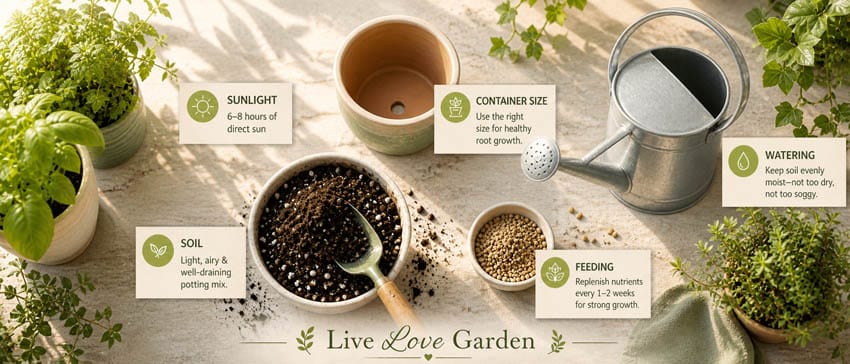
🌿 Bonus: Quick Fix Checklist
Sometimes the fastest way to fix container gardening mistakes… is to zoom out and check the basics.
Use this simple checklist as a quick reset whenever your plants seem off. It’s designed to help you spot common container gardening problems in seconds—and get back on track without overwhelm.
- ✔ Container Size
Is your plant crowded or root-bound? Size up if needed. - ✔ Soil
Is it light and well-draining—or compacted and heavy? - ✔ Sunlight
Are your plants getting 6–8 hours of direct sun? - ✔ Watering
Is the soil balanced—not too dry, not too soggy? - ✔ Feeding
Have you replenished nutrients in the past 1–2 weeks?
A thriving container garden isn’t complicated—it’s consistent.
If your container garden is not growing, chances are one of these five essentials just needs a small adjustment.
👉 For a deeper, step-by-step setup that brings all of these elements together, explore this guide to building a self-watering container garden—it simplifies watering, improves consistency, and makes thriving plants much easier to maintain.
Save this checklist, pin it, or bookmark it—because sometimes the smallest tweaks lead to the biggest harvests.
🌼 Conclusion: Grow Through What You Learn
If there’s one thing every thriving gardener has in common… it’s not perfection.
It’s persistence.
Every one of these container gardening mistakes is part of the learning curve—not a sign that you’re doing something wrong, but a sign that you’re doing something real.
Plants don’t expect perfection.
They respond to consistency, attention, and small adjustments over time.
So if your garden hasn’t turned out the way you hoped yet, don’t be discouraged.
You’re not behind—you’re learning.
Every thriving garden you admire was once a series of small mistakes, gently corrected over time.
Start simple.
Focus on the basics—container size, soil, sunlight, water, and nutrients—and build from there.
You don’t need to fix everything at once. Just one small improvement can shift your entire garden in the right direction.
And as you continue, you’ll begin to notice something beautiful:
Your confidence grows right alongside your plants.
👉 If you’re ready to take everything you’ve learned here and turn it into a thriving, productive setup, explore the full small space vegetable gardening guide—your step-by-step foundation for growing more food in less space.
Your garden doesn’t need to be perfect to be abundant.
It just needs you to keep showing up.