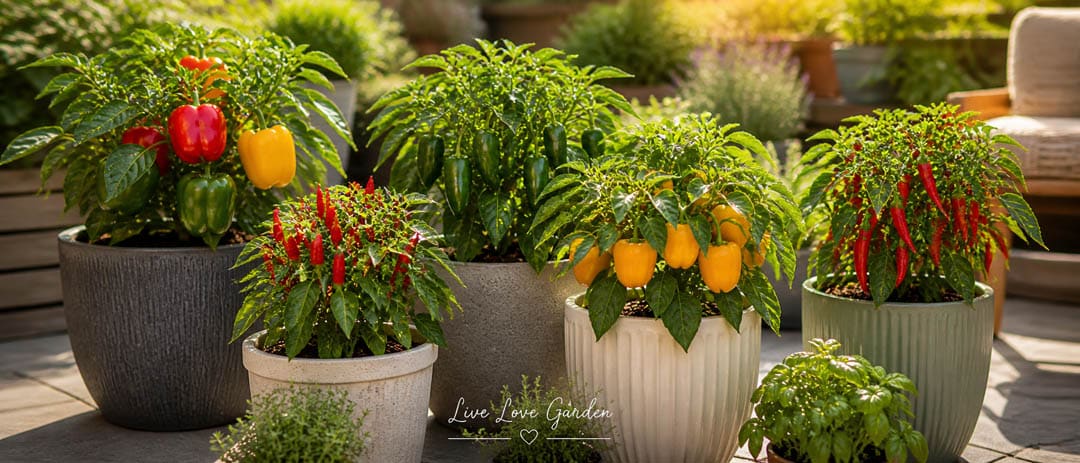
There’s something quietly magical about growing peppers in a small space.
A single plant, tucked into a sunlit corner, can transform into a cascade of glossy green leaves and jewel-toned fruit—reds, yellows, deep purples—like little lanterns glowing in the heat of summer.
Whether you're working with a balcony, patio, or a compact backyard, peppers are one of the most rewarding crops you can grow. They don’t ask for much—but they give generously.
If you’ve already explored growing your own food in tight quarters, like in this guide to edible summer crops for urban gardeners, you’ve likely seen peppers quietly holding their own among the stars of the summer garden.
Now, it’s time to let them take center stage.
Why Peppers Are Perfect for Small-Space Gardening
Peppers are the kind of plant that feels like it understands modern life.
Limited space? No problem.
Container living? They thrive in it.
Unlike sprawling crops that demand room to roam, peppers grow upright and tidy, making them ideal for:
- Balconies and patios
- Small raised beds
- Container gardens
- Sunny windowsills
They’re compact—but don’t let their size fool you.
A single well-cared-for pepper plant can produce dozens of fruits over a season—proof that abundance doesn’t require acreage.
They Love the Heat (Just Like Summer Should Feel)
Peppers thrive in warm temperatures and full sun, making them perfectly aligned with the rhythm of summer gardening.
If you’ve had success with growing tomatoes in small spaces, you already have the right conditions for peppers.
Think of them as companion plants in both the garden—and your growing journey.
They’re Beautiful Enough to Be Ornamental
Peppers don’t just grow food—they create atmosphere.
With their glossy foliage and colorful fruit, they double as living décor. A single pot of peppers can brighten a balcony just as much as any flowering plant.
Pair them with pollinator-friendly blooms from this collection of small-space pollinator plants, and suddenly your garden becomes both productive and alive with movement.
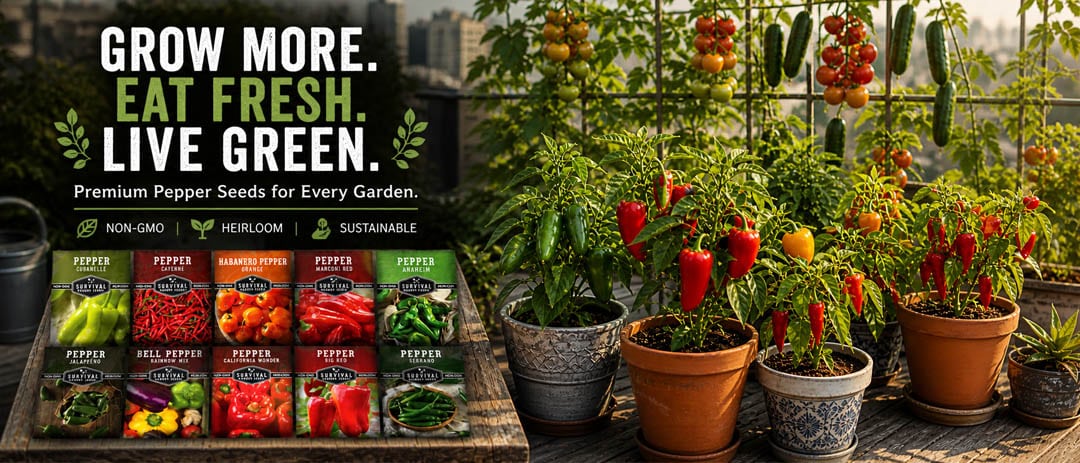
They Fit Seamlessly Into Container Gardening Systems
Peppers are incredibly adaptable to container life, especially when paired with smart watering systems.
If you want to take your setup to the next level, consider building a self-watering container garden. This helps maintain consistent moisture—one of the key secrets to high-yield pepper plants.
Peppers actually perform better in containers than many sprawling crops. With controlled soil, targeted feeding, and consistent watering, you can often get higher yields in a pot than in the ground.
They’re Beginner-Friendly—But Reward Mastery
Peppers are forgiving enough for beginners, yet responsive enough for experienced gardeners who want to fine-tune their yields.
Small adjustments—like better sunlight placement, consistent watering, or proper feeding—can dramatically increase your harvest.
And if you’re starting from seed, especially with spicy varieties, you might enjoy this deeper dive into growing jalapeños from seed, which walks you through the process from the very beginning.
Peppers meet you where you are… and then gently invite you to grow alongside them.
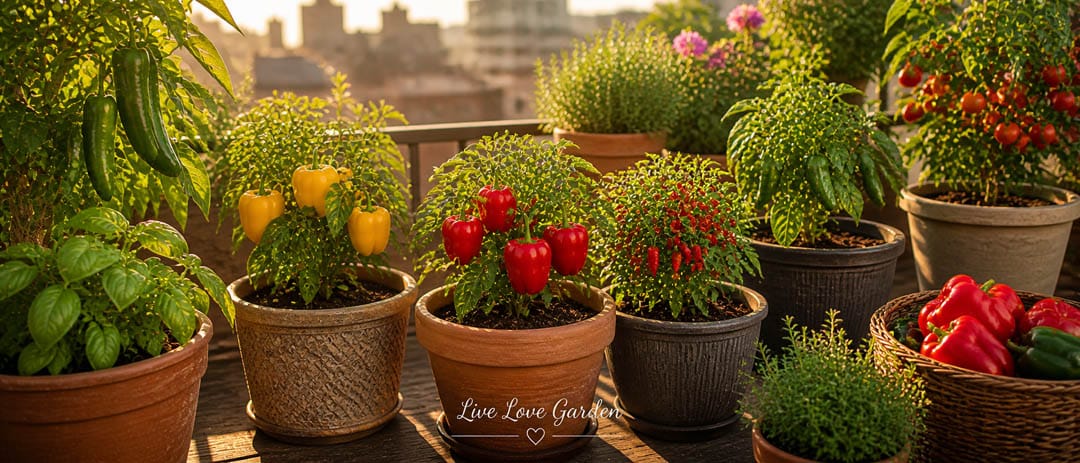
Best Pepper Varieties for Containers (Bell, Jalapeño, Chili, Compact Types)
Choosing the right pepper variety is where your harvest story really begins.
Not all peppers are created equal—especially when space is limited.
In a small garden, variety selection is less about what looks good on a seed packet…
and more about what will thrive in a pot, produce consistently, and match your growing style.
The right pepper variety doesn’t just grow—it performs. In small spaces, performance is everything.
🌶️ Bell Peppers: Sweet, Colorful, and Compact
Bell peppers are the classic choice—crisp, sweet, and endlessly versatile in the kitchen.
They’re also surprisingly well-suited for containers when you choose the right type.
- ‘Lunchbox’ peppers (small, snack-sized, very productive)
- ‘Mini Belle’ (compact plants with colorful fruit)
- ‘Gypsy’ (early-producing and container-friendly)
These varieties stay manageable while still delivering a steady harvest.
Give them a sunny spot and consistent watering, and they’ll reward you with vibrant, glossy fruit.
Bell peppers transition beautifully from green to red, yellow, or orange as they ripen—each stage bringing a slightly different flavor profile to your meals.
🔥 Jalapeños: Reliable, Productive, and Perfect for Small Spaces
If you want a pepper that truly understands container life, it’s the jalapeño.
These plants are naturally compact, highly productive, and incredibly forgiving—making them one of the best choices for beginners and seasoned gardeners alike.
- ‘Early Jalapeño’ (fast maturity, great for shorter seasons)
- ‘Jalapeño M’ (classic variety with dependable yields)
- ‘Purple Jalapeño’ (adds ornamental beauty with bold color)
They’re also one of the easiest peppers to grow from seed.
If you want to start from scratch, this step-by-step guide to starting jalapeños from seed at home walks you through the entire process.
Expect a steady harvest all season—perfect for salsas, pickling, and fresh garden snacks.
🌶️ Chili Peppers: Small Plants, Big Personality
Chili peppers are where things get a little wild—in the best way.
Many chili varieties are naturally compact and incredibly ornamental, making them ideal for balconies where beauty matters just as much as yield.
- ‘Cayenne’ (slender, productive, and great for drying)
- ‘Thai Chili’ (tiny but fiery, perfect for containers)
- ‘Buena Mulata’ (a stunning heirloom that shifts from purple to red)
- ‘Apache’ (dwarf variety bred specifically for pots)
These peppers thrive in heat and sunlight, often producing more fruit than their size suggests.
They’re the overachievers of the pepper world—small plants with a surprisingly bold output.
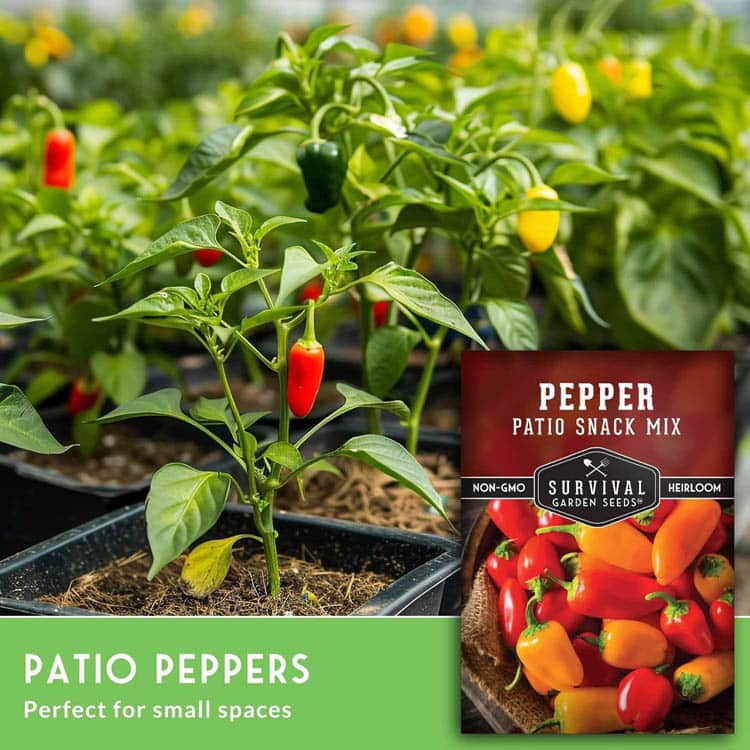
🌿 Compact & Patio Varieties: Designed for Small Spaces
Some peppers are bred specifically for container gardening—and they truly shine in tight quarters.
Look for labels like:
- “Patio”
- “Dwarf”
- “Compact”
Top container-friendly varieties include:
- ‘Basket of Fire’ (perfect for hanging baskets)
- ‘Pot-a-Peno’ (a dwarf jalapeño made for containers)
- ‘Redskin’ (small bell peppers with high yield)
These plants stay tidy, require less staking, and are ideal if you're working with limited floor space or vertical setups like those explored in vertical gardening systems.
In small spaces, it’s better to grow fewer plants of the right variety than overcrowd your containers. One healthy, well-chosen pepper plant can outperform three struggling ones.
Choosing What’s Right for You
The best pepper variety isn’t just about size or yield—it’s about how you want to use your harvest.
- Love fresh salads and snacking? → Go with sweet bell varieties
- Enjoy spice and preserving? → Jalapeños or cayenne are your go-to
- Want visual beauty + flavor? → Try ornamental chili varieties
And if you're building a diverse edible garden, peppers pair beautifully with other compact crops like those featured in this container cucumber growing guide, creating a balanced, productive space that keeps your harvest flowing all summer long.
Choose wisely, and your peppers won’t just grow—they’ll thrive, produce, and become one of the most satisfying parts of your garden.
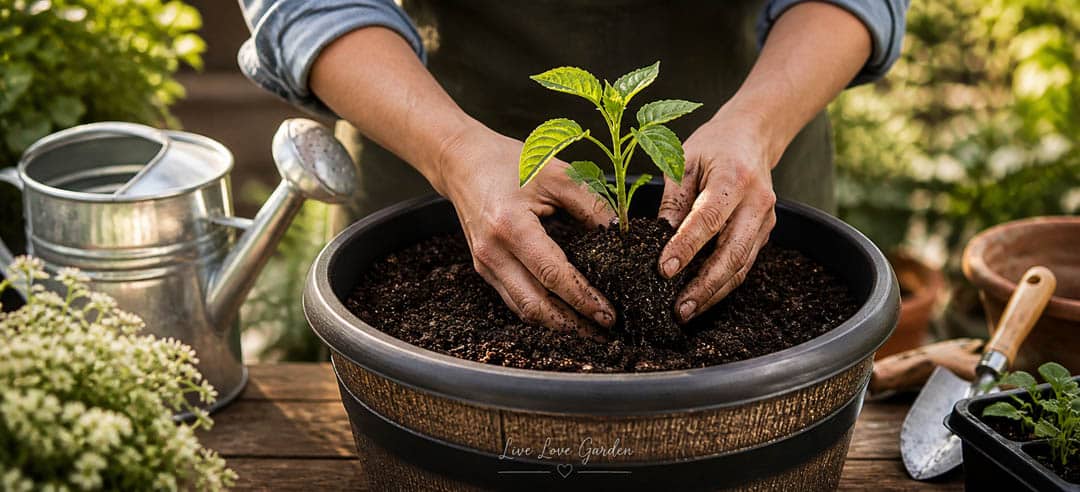
Choosing the Right Container Size (5-Gallon Rule)
If peppers had a love language, it would be room to root.
In small-space gardening, your container isn’t just a vessel—it’s the entire world your plant will live in.
And when it comes to growing high-yield peppers, size truly matters.
Think of your container as both home and pantry. The more space it offers, the more your pepper plant can grow, feed, and produce.
The 5-Gallon Rule (Your Baseline for Success)
For most pepper varieties, a 5-gallon container is the sweet spot.
It provides enough depth and volume for strong root development, stable moisture levels, and consistent nutrient access.
- Minimum: 3 gallons (for compact or dwarf varieties)
- Ideal: 5 gallons (best for most peppers)
- Optimal: 7–10 gallons (for maximum yield and less frequent watering)
When roots have room to expand, everything above the soil follows—stronger stems, more flowers, and ultimately, more fruit.
Peppers grown in undersized containers often look healthy at first—but quickly stall in production. A larger container acts like a buffer against stress, especially during peak summer heat.
Depth Matters More Than You Think
Peppers don’t just spread outward—they grow downward.
A container should be at least 10–12 inches deep to support a healthy root system.
Shallow pots dry out faster and restrict root growth, which can lead to:
- Smaller plants
- Fewer flowers
- Reduced fruit production
If your goal is high yield, depth is non-negotiable.
Best Container Types for Peppers
Not all containers behave the same. The material you choose can influence how often you water, how warm the soil stays, and how your plant performs overall.
- Plastic or resin pots: Retain moisture well and are lightweight
- Fabric grow bags: Excellent drainage and root aeration
- Glazed ceramic: Stylish and moisture-retentive, but heavier
- Self-watering containers: Ideal for consistent hydration
If you want a low-maintenance setup that keeps your peppers consistently hydrated, building your own self-watering container system can be a game-changer—especially during hot summer stretches.
Drainage: The Non-Negotiable Detail
Peppers like moisture—but they hate sitting in water.
Every container must have proper drainage holes to prevent root rot and disease.
Without it, even the best soil and care won’t save your plant.
To improve drainage:
- Ensure multiple holes at the bottom
- Avoid using rocks (they can trap water rather than help)
- Use a high-quality potting mix designed for containers
Spacing: One Plant Per Pot (Mostly)
It can be tempting to plant multiple peppers in one container—but in most cases, less is more.
For best results:
- 1 pepper plant per 5-gallon container
- 2 compact plants only if using a larger (7–10 gallon) pot
Overcrowding leads to competition for water and nutrients, which reduces overall yield.
Instead of cramming multiple plants into one pot, use vertical layers in your garden. Pair your peppers with herbs or shallow-rooted greens nearby—similar to strategies used in edible landscaping designs—to maximize productivity without crowding.
Container Placement: Sun + Stability
Once you’ve chosen the right container, placement becomes the final piece of the puzzle.
- Position in full sun (6–8+ hours daily)
- Ensure the pot is stable (especially on balconies)
- Use saucers carefully—empty excess water to avoid soggy roots
If you're working with limited light or creative layouts, techniques from vertical gardening can help you capture more sun without taking up extra floor space.
At the end of the day, your container sets the stage.
Give your peppers enough room, and they’ll reward you with a harvest that feels anything but small.
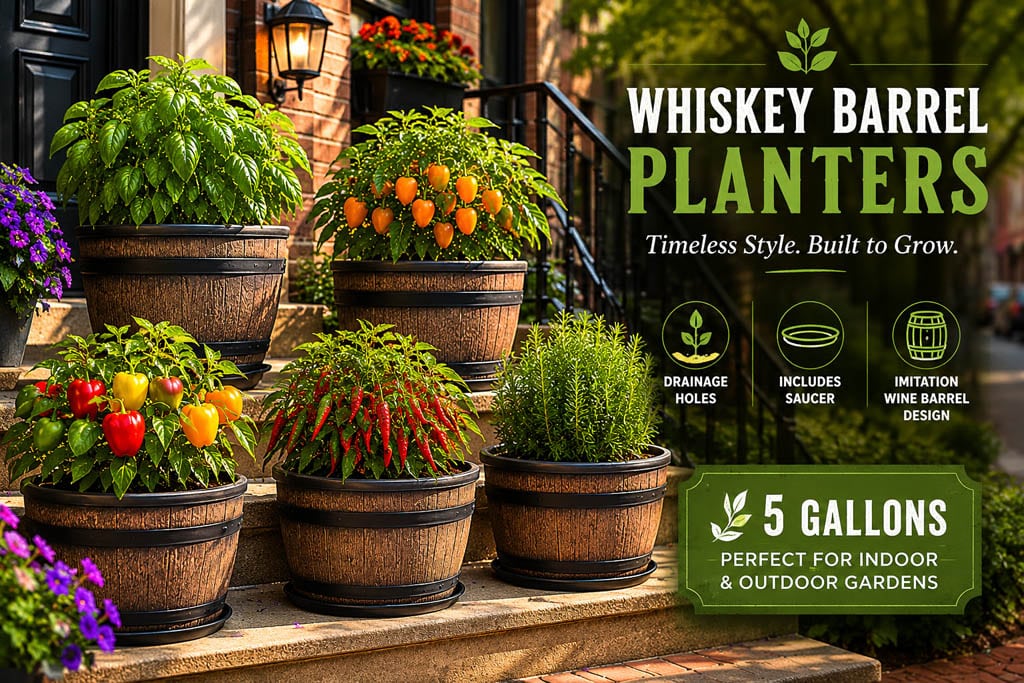
Soil, Sunlight, and Temperature Needs
If containers are the home, then soil, sunlight, and temperature are the atmosphere your peppers breathe in every day.
Get these three right, and your plants won’t just survive—they’ll surge.
Peppers are sun-loving, warmth-seeking, nutrient-hungry growers. When their environment feels like a long, golden summer afternoon, they respond with lush growth and heavy harvests.
Peppers don’t rush. They wait for the warmth… and then they give you everything.
🌱 The Right Soil: Light, Rich, and Well-Draining
In containers, soil isn’t just dirt—it’s your plant’s entire ecosystem.
Skip garden soil. It compacts too easily and restricts root growth.
Instead, choose a high-quality potting mix designed for containers.
Your ideal pepper soil should be:
- Light and airy (for root oxygen)
- Well-draining (to prevent soggy roots)
- Rich in organic matter (for sustained nutrients)
To upgrade your mix, you can blend in:
- Compost for slow-release nutrients
- Worm castings for microbial life
- Perlite or coco coir for improved drainage
If you're building your soil from scratch, methods like no-dig gardening offer a beautiful, low-effort way to create living, nutrient-rich soil that supports long-term plant health.
Healthy soil acts like a buffer—holding moisture when it’s dry and draining excess when it’s wet. This balance is what keeps pepper plants steady and productive.
☀️ Sunlight: The More, The Better
Peppers are sun worshippers.
They crave at least 6–8 hours of direct sunlight daily, and more is even better.
In small spaces, sunlight can be tricky—walls, railings, and nearby buildings often create shifting shadows.
To maximize exposure:
- Place containers in the brightest spot available
- Rotate pots every few days for even growth
- Use reflective surfaces (like light-colored walls) to bounce light
If your space struggles with light, creative layouts inspired by vertical gardening techniques can help your plants capture more sun without expanding your footprint.
🌡️ Temperature: Warmth Is Everything
Peppers are native to warm climates, and they behave accordingly.
Their ideal temperature range is:
- Daytime: 70–85°F
- Nighttime: Above 55°F
Below these thresholds, growth slows.
Prolonged cold can stunt plants or delay fruiting altogether.
In cooler regions—or early in the season—you can give peppers a head start by:
- Placing containers near south-facing walls (which radiate heat)
- Using dark-colored pots to absorb warmth
- Bringing plants indoors during cold snaps
Urban spaces often create “microclimates” that are warmer than surrounding areas. A sunny balcony or patio can act like a mini greenhouse—perfect for peppers.
Balancing Heat and Stress
While peppers love warmth, extreme heat (above 95°F) can cause:
- Blossom drop (flowers falling off before fruit forms)
- Sunscald on fruits
- Temporary growth pauses
To protect your plants during heat waves:
- Water consistently to keep roots cool
- Add mulch to retain moisture
- Provide light afternoon shade if needed
These simple adjustments help maintain steady production—even during the peak of summer.
Creating the Perfect Pepper Microclimate
When you combine rich soil, strong sunlight, and consistent warmth, you create something more than a growing space—you create a microclimate tailored to abundance.
This is where peppers truly shine.
And when paired with other sun-loving crops—like those in this container cucumber guide—your small garden begins to feel less like a limitation… and more like a carefully designed ecosystem.
Give peppers the environment they crave, and they’ll return the favor with a harvest that feels vibrant, generous, and deeply satisfying.
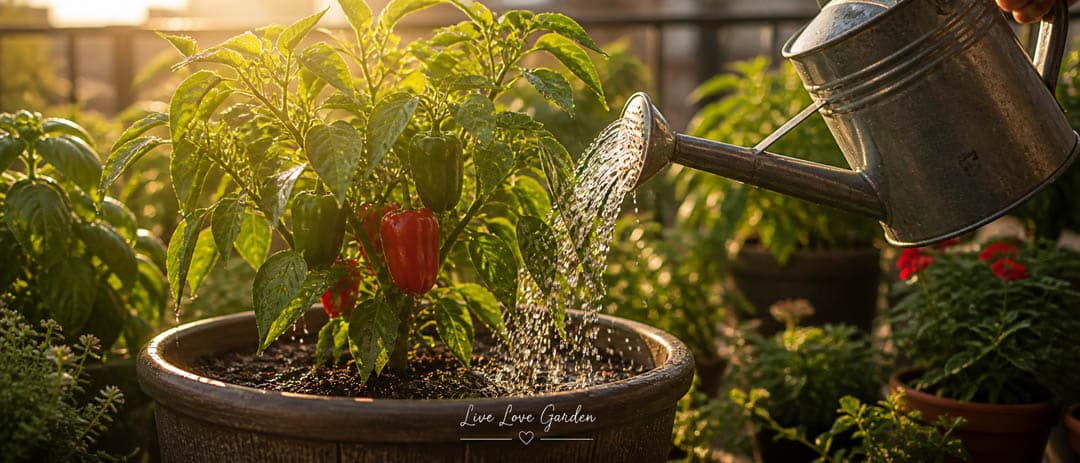
Watering Secrets for Bigger Harvests
If sunlight is the spark, then water is the rhythm.
Too little, and your peppers struggle. Too much, and they suffocate.
But when you find that steady, balanced cadence?
That’s when your plants begin to produce like they’ve found their groove.
Consistent watering doesn’t just keep peppers alive—it teaches them to trust their environment enough to produce abundantly.
💧 The Golden Rule: Keep Soil Evenly Moist
Peppers prefer soil that feels like a wrung-out sponge—moist, but never soggy.
In containers, this balance becomes even more important because pots dry out faster than garden beds.
- Water deeply until it drains from the bottom
- Allow the top inch of soil to dry slightly before watering again
- Avoid letting the soil fully dry out
This steady moisture encourages strong root development and prevents stress that can reduce yields.
Frequent shallow watering creates weak roots. Deep, consistent watering encourages roots to grow stronger and deeper—leading to healthier, more productive plants.
⏰ Timing Matters More Than You Think
When you water can be just as important as how you water.
- Morning: Best time—plants hydrate before the heat of the day
- Evening: Acceptable, but avoid wet leaves overnight
- Midday: Avoid if possible (water evaporates quickly)
Watering early helps your peppers face the day hydrated and ready to grow.
🚫 Avoid the Stress Cycle
One of the most common mistakes in container gardening is inconsistent watering—letting soil dry out completely, then overwatering to compensate.
This cycle can lead to:
- Blossom drop (flowers falling before fruit forms)
- Bitter or misshapen peppers
- Cracked fruit skins
Peppers thrive on stability. The more consistent your watering, the more reliable your harvest.
🌿 Mulch: Your Secret Weapon
Mulch is like a quiet guardian sitting on top of your soil, protecting moisture and regulating temperature.
In small containers, it can make a dramatic difference.
- Reduces water evaporation
- Keeps roots cooler in hot weather
- Prevents soil from drying too quickly
Simple options include:
- Straw
- Shredded leaves
- Coco coir
This small step can stretch your watering schedule and keep your plants happier through heat waves.
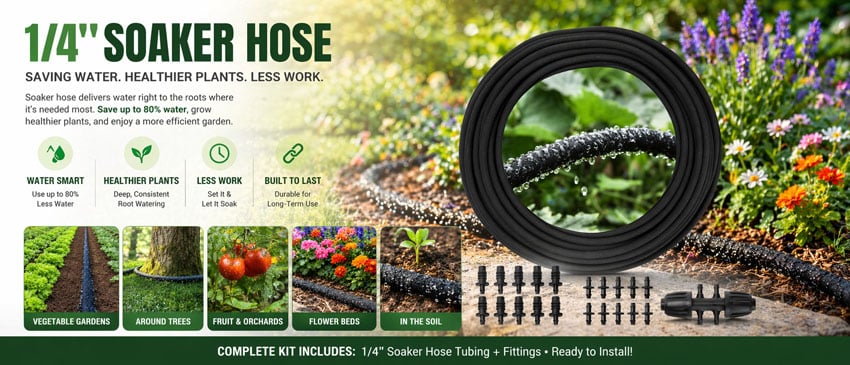
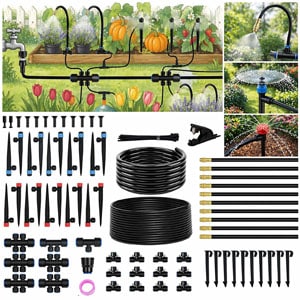
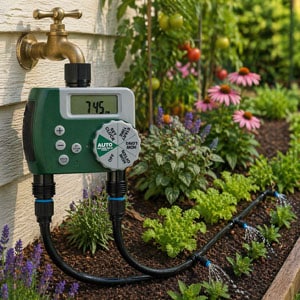
💦 Upgrade Your System for Consistency
If you want to take the guesswork out of watering, consider upgrading your setup.
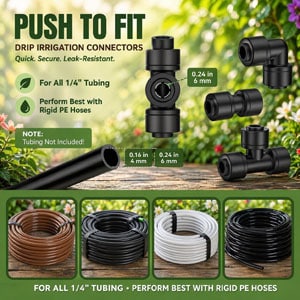
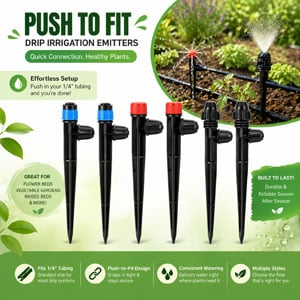
A self-watering container system can maintain consistent moisture levels automatically—especially helpful during peak summer or busy weeks.
It’s one of the simplest ways to boost yield without adding extra effort.
During intense heat, you may need to water once—or even twice—a day. Containers heat up quickly, and peppers respond fast to dehydration.
Signs Your Peppers Need Water (or Have Too Much)
Your plants will tell you what they need—you just have to learn their language.
- Wilting leaves (midday): Normal in heat, but should recover by evening
- Wilting in morning: Needs water
- Yellowing leaves: Possible overwatering or poor drainage
- Dropping flowers: Often caused by inconsistent watering
Paying attention to these signals helps you fine-tune your routine over time.
Water + Nutrients = Yield
Water doesn’t just hydrate—it delivers nutrients through the soil.
When watering is consistent, your plant can absorb nutrients more effectively, leading to:
- Stronger growth
- More flowers
- Larger, healthier fruit
This is the foundation of high-yield pepper growing.
And when paired with other summer crops—like those in this container cucumber growing guide—you’ll start to notice a pattern:
Consistency creates abundance.
Master your watering rhythm, and your peppers will reward you with a harvest that feels steady, vibrant, and surprisingly generous for such a small space.
Feeding Peppers for Maximum Yield
If watering sets the rhythm, feeding is the fuel.
Peppers are generous plants—but they’re also hungry ones.
In containers, nutrients don’t last forever. Every watering slowly washes them away, which means your plant depends on you to replenish what it needs to keep producing.
A well-fed pepper plant doesn’t just grow bigger—it flowers more, fruits longer, and finishes the season strong.
🌱 Start with a Nutrient-Rich Foundation
Before you even think about fertilizers, your soil should already be working in your favor.
A high-quality potting mix enriched with compost gives your peppers a steady, slow-release base of nutrients.
To boost your soil naturally, consider adding:
- Compost (for balanced nutrition)
- Worm castings (for microbial activity)
- Crushed eggshells (for calcium support)
If you want to go deeper into natural amendments, this guide to using eggshells in your garden soil explains how small additions can make a big difference over time.
Fertilizer should support your soil—not replace it. Healthy soil creates resilient plants that can handle heat, pests, and stress more effectively.
⚖️ The Right Fertilizer Balance
Peppers need different nutrients at different stages of growth.
- Early growth: Slightly higher nitrogen (for leafy development)
- Flowering + fruiting: Higher phosphorus and potassium (for blooms and fruit)
Too much nitrogen later in the season can lead to:
- Lush leaves… but few peppers
- Delayed flowering
Look for a balanced or fruit-focused fertilizer, often labeled something like:
- 5-10-10
- 3-5-7
- Organic “tomato and vegetable” blends
These formulas encourage your plant to shift energy toward fruit production instead of just foliage.
⏰ How Often to Feed
In containers, consistency matters more than intensity.
- Liquid fertilizer: every 1–2 weeks
- Slow-release fertilizer: every 4–6 weeks
- Compost top-dressing: once or twice during the season
A gentle, regular feeding schedule keeps nutrients steady—avoiding the feast-and-famine cycle that can stress your plants.
During peak fruiting, peppers benefit from a little extra support. This is when consistent feeding can noticeably increase both the size and number of peppers you harvest.
🍌 Natural Boosters That Actually Work
If you lean toward organic gardening, there are simple, effective ways to feed your peppers without synthetic fertilizers.
- Compost tea (gentle, nutrient-rich liquid feed)
- Fish emulsion (quick nitrogen boost early on)
- Banana peel tea (adds potassium for flowering and fruiting)
These natural options support soil health while still giving your plants what they need to thrive.
⚠️ Signs Your Peppers Need Feeding
Your plants will often signal when they’re running low on nutrients.
- Slow growth
- Pale or yellowing leaves
- Few flowers or fruit
- Small or underdeveloped peppers
If you notice these signs, a balanced feeding routine can quickly bring your plants back into production mode.
Water + Feeding = Partnership
Fertilizer doesn’t work in isolation—it relies on proper watering to move nutrients through the soil and into the plant.
That’s why feeding and watering should always work together, like two parts of the same system.
If you’ve already dialed in your watering strategy (as we covered earlier), your feeding routine will become far more effective.
And when combined with other high-performing crops—like those in this small-space tomato growing guide—you’ll start to see your entire garden respond with stronger, more consistent harvests.
Because when your plants are nourished, supported, and thriving…
they don’t hold back.
Common Problems (Blossom Drop, Bitter Peppers, Pests)
Even in the most sun-soaked, well-tended container garden, peppers can have their off days.
A few yellow leaves here, a dropped flower there—it’s all part of the rhythm of growing.
The key is knowing what your plant is trying to tell you… and responding before small issues turn into stalled harvests.
Every problem in the garden is a message. Once you learn to read it, you rarely feel stuck again.
🌼 Blossom Drop: When Flowers Fall Without Fruit
Blossom drop is one of the most common frustrations for pepper growers.
Your plant flowers beautifully… and then those flowers simply fall off.
No fruit. Just quiet disappointment.
This usually happens when your plant is under stress.
Common causes include:
- Temperature swings (too hot or too cold)
- Inconsistent watering
- Low pollination (especially on balconies)
- Excess nitrogen (too much leafy growth, not enough fruiting)
How to fix it:
- Keep watering consistent (no dry-soak cycles)
- Maintain stable temperatures when possible
- Gently shake the plant or use a soft brush to encourage pollination
- Switch to a balanced or fruit-focused fertilizer
If your garden is missing natural pollinators, adding blooms from this small-space pollinator plant guide can make a noticeable difference in fruit set.
A few dropped flowers are completely normal. Plants often shed early blossoms while they establish strong roots.
😖 Bitter Peppers: When Flavor Falls Flat
Peppers are meant to be vibrant—sweet bells, smoky chilies, or a clean, sharp heat.
But sometimes, the flavor turns harsh or bitter.
This is almost always tied to stress during growth.
Common causes include:
- Irregular watering
- Extreme heat
- Nutrient imbalances
- Overripe fruit left too long on the plant
How to fix it:
- Maintain consistent moisture levels
- Harvest peppers at the right stage
- Provide light shade during extreme heat
- Use balanced feeding practices
Flavor is one of the first things to shift when a plant is stressed—so if something tastes off, it’s worth revisiting your care routine.
🐛 Pests: Small Visitors, Big Impact
Even a balcony garden isn’t immune to pests.
In fact, container plants can sometimes attract concentrated attention because they’re easy targets.
Common pepper pests include:
- Aphids (tiny clusters on stems and leaves)
- Spider mites (fine webbing and speckled leaves)
- Whiteflies (small white insects that flutter when disturbed)
- Flea beetles (tiny holes in leaves)
Natural ways to manage pests:
- Spray leaves with a strong stream of water
- Use neem oil or insecticidal soap
- Remove heavily affected leaves
- Encourage beneficial insects
Nature often provides its own solutions. For example, introducing beneficial insects—like those discussed in this guide on how ladybugs help control garden pests—can naturally reduce aphid populations.
You can also explore natural pest control strategies like using beneficial predators such as praying mantis, which help keep your garden ecosystem balanced.
Healthy plants are naturally more resistant to pests. Consistent care—proper watering, sunlight, and feeding—acts as your first line of defense.
When to Worry (and When Not To)
Not every imperfection is a problem. A few holes in leaves, an occasional yellowing leaf, or a dropped flower can all be part of normal plant behavior.
What matters is the pattern.
- One or two issues? Likely normal
- Widespread decline? Time to investigate
If you’re seeing persistent issues across multiple plants, it may point to a broader environmental imbalance—something worth adjusting across your entire setup.
And if you're building a resilient, thriving garden system, pairing your peppers with diverse crops—like those in this edible summer crops guide—helps create balance and reduce the risk of widespread problems.
Because in a well-tuned garden, even challenges become part of the learning—and the harvest continues.
How to Harvest for Continuous Production
Harvesting isn’t the end of the growing cycle—it’s the spark that keeps it going.
With peppers, the more you harvest, the more your plant is encouraged to produce.
It’s a quiet conversation between you and the plant: you take a little… and it gives a little more.
Every pepper you pick tells the plant, “Keep going.” And it does.
✂️ Harvest Early, Harvest Often
One of the simplest ways to increase your yield is to harvest regularly.
Leaving too many ripe peppers on the plant signals that it has completed its life cycle—slowing down new flower and fruit production.
Best practice:
- Check plants every 2–3 days
- Harvest peppers as soon as they reach usable size
- Don’t wait for every fruit to fully ripen on the plant
Frequent harvesting keeps your plant in “production mode” instead of “finishing mode.”
Picking peppers at the green stage (before full color) often leads to higher overall yields. The plant redirects energy into producing more fruit instead of maturing existing ones.
🌈 Understanding Ripeness Stages
Peppers change dramatically as they mature—not just in color, but in flavor.
- Green stage: Crisp, slightly bitter, fast-growing
- Color stage (red, yellow, orange): Sweeter, richer, more developed flavor
You can harvest at either stage depending on your preference.
Just remember:
- Harvesting early = more total peppers
- Waiting for full color = deeper flavor, fewer fruits overall
There’s no wrong choice—only different outcomes.
✂️ How to Harvest Without Damaging the Plant
Peppers may look sturdy, but their branches can be surprisingly delicate.
Instead of pulling fruit off by hand:
- Use clean scissors or garden snips
- Cut just above the stem
- Avoid tugging, which can damage the plant
A clean cut keeps your plant healthy and reduces the risk of stress or breakage.
⏳ Keep the Cycle Going
A well-maintained pepper plant will continue producing for weeks—sometimes months—if encouraged properly.
To extend your harvest:
- Continue consistent watering and feeding
- Remove overripe or damaged fruit
- Prune lightly if growth becomes overcrowded
These small actions keep energy flowing into new flowers and fruit instead of maintenance or decline.
As temperatures begin to cool, your plant may slow—but it won’t stop immediately. Continue harvesting regularly to get the most out of the final weeks of the season.
Harvesting as a Garden Rhythm
There’s something grounding about stepping outside, checking your plants, and gathering what’s ready.
It becomes less of a task… and more of a ritual.
If you’re growing a mix of crops—like pairing peppers with herbs, tomatoes, or even climbing plants from this vertical gardening guide—you’ll find yourself harvesting something almost every day.
And that’s when a small garden begins to feel abundant.
Because continuous production isn’t just about technique—
it’s about staying connected to the process, one harvest at a time.
Bonus: Growing Peppers Indoors or on Windowsills
No balcony? No patio? No problem.
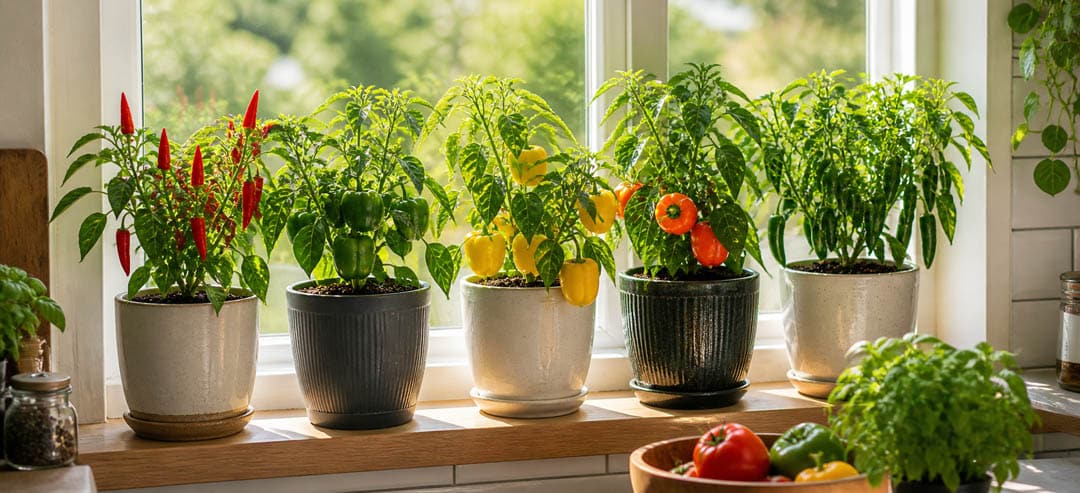
Peppers are surprisingly adaptable—and with the right setup, they can thrive indoors like quiet little sun-chasers perched by your window.
Growing peppers inside brings the garden closer to your daily life.
Morning light, a cup of coffee, and a plant slowly turning toward the sun—it’s a softer kind of abundance, but no less rewarding.
Even a single windowsill can become a place where food, light, and care meet.
☀️ Light Is Everything Indoors
When growing peppers indoors, light becomes your most important variable.
Place your plants in:
- A south-facing window (best option)
- A west-facing window (good afternoon light)
- The brightest spot in your home
Peppers need 6–8+ hours of strong light to produce well.
If natural light is limited, supplementing with a grow light can dramatically improve results.
Without enough light, pepper plants may grow tall and leggy—but produce little to no fruit. Strong light equals strong harvests.
🌡️ Keep Temperatures Stable
Indoors, your peppers are shielded from the extremes—but they still need warmth to thrive.
- Ideal range: 65–80°F
- Avoid cold drafts near windows or doors
- Keep away from air vents or sudden temperature swings
Peppers prefer consistency. A steady environment encourages steady growth.
🪴 Choose the Right Container (Again)
Even indoors, the same container principles apply.
- Use at least a 3–5 gallon pot
- Ensure proper drainage
- Use high-quality potting mix
If space is tight, compact varieties—like those mentioned earlier—are your best bet for indoor success.
💧 Adjust Your Watering Routine
Indoor plants dry out more slowly than outdoor ones, so your watering rhythm will shift.
- Check soil moisture before watering
- Water when the top inch feels dry
- Avoid overwatering—this is the most common indoor mistake
Because there’s less airflow indoors, excess moisture can linger longer than expected.
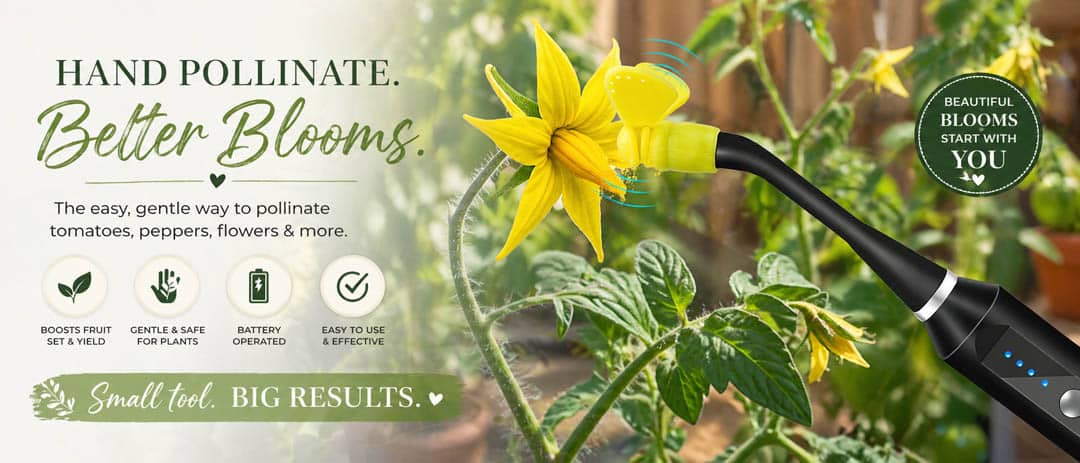
🌸 Pollination: A Little Help Goes a Long Way
Outdoors, bees and wind handle pollination.
Indoors… it’s up to you.
To encourage fruit production:
- Gently shake the plant every few days
- Use a small paintbrush to transfer pollen between flowers
It takes seconds—but makes all the difference.
Even a light tap on the stem can mimic the movement of wind and help release pollen naturally.
🌿 Pairing Peppers with Other Indoor Growers
If you’re creating a small indoor garden, peppers pair beautifully with herbs and compact crops.
For example, growing herbs like basil or cilantro—such as those explored in this cilantro growing guide—can create a functional, edible windowsill garden that supports both cooking and well-being.
It’s not just about growing food—it’s about creating a living space that feels vibrant and intentional.
Indoor Growing as a Lifestyle Shift
There’s something uniquely calming about tending plants indoors.
It slows things down. It brings your attention back to small, meaningful moments.
If you’re drawn to a quieter, more intentional rhythm of living, you might find inspiration in practices like quiet living—where simple routines, like caring for a plant, become part of a more grounded daily life.
Because in the end, growing peppers indoors isn’t just about harvests.
It’s about connection—to your food, your space, and the small, steady rhythms that make a house feel like home.