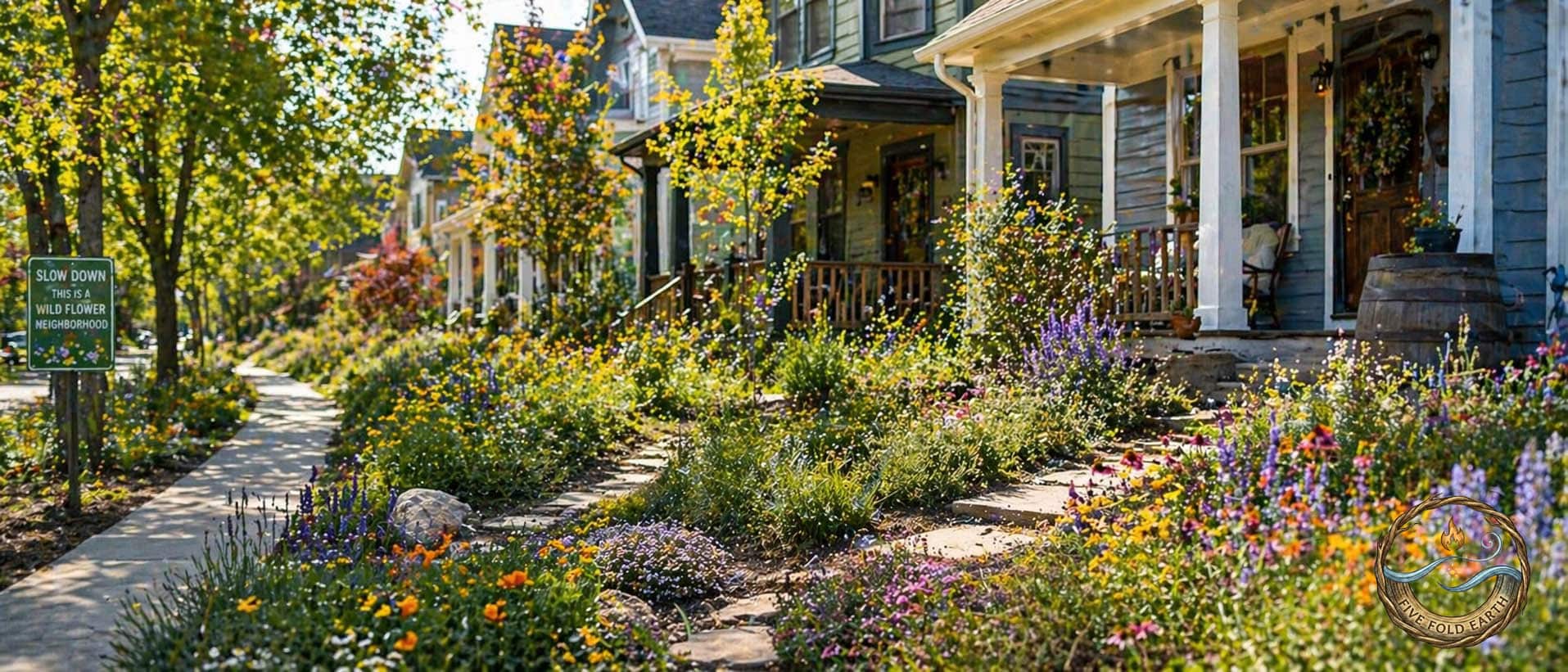
Step outside and imagine your yard alive with movement and sound…birds calling from the branches, butterflies drifting through sunlight, bees moving from bloom to bloom. The air feels softer, the space a little wilder, like nature has been invited back in. That’s the heart of rewilding your yard: turning a quiet patch of grass into something living, layered, and full of life.
Rewilding isn’t about neglect or chaos. It’s a gentle shift in how you tend your space, choosing plants that belong, creating shelter for wildlife, and allowing natural rhythms to return. With a few intentional changes, your yard becomes more than a garden. It becomes a place where pollinators feed, birds nest, and life quietly rebuilds itself.
And somewhere along the way, something changes for you too. These spaces have a way of slowing you down, softening the edges of a busy day, and reconnecting you to something steady and grounding.
No matter the size of your space, rewilding your yard is within reach. This guide will walk you through what it means, why it matters, and how to begin creating a backyard that feels alive again. 🌿
What Is Rewilding Your Yard?
Rewilding your yard is a quiet return to nature.
Instead of shaping every inch, you begin to invite life back in—plants that belong, pollinators that remember, and rhythms that don’t need managing.
It’s less about control…more about connection.
Your space shifts from a simple lawn into a small ecosystem where birds, insects, and plants all play a role.
A rewilded yard isn’t abandoned—it’s awakened.
More Than Just Letting It Grow
Rewilding doesn’t mean stepping away completely. It’s a thoughtful process of choosing the right plants, creating simple habitats, and letting natural systems do what they’re meant to do.
- Native plants that support local wildlife
- Spaces for pollinators, birds, and beneficial insects
- Healthier soil that builds itself over time
If you’re just starting out, learning how to begin a garden from the ground up can make the transition feel much more natural.
Designed, Not Messy
There’s a common myth that rewilding looks wild in a chaotic way. In reality, it can be as structured or as free-flowing as you like.
Think of it as guided nature—paths, layered plantings, and intentional pockets of growth that still feel soft and organic.
- A border of native flowers along a walkway
- A small pollinator patch replacing part of your lawn
- A backyard that blends structure with natural flow
If you love a softer, more natural aesthetic, ideas like embracing imperfection in your garden design pair beautifully with rewilding.
It’s not about making your yard look wild—it’s about letting it feel alive.
Why Rewilding Matters
Rewilding your yard creates change you can see…and feel.
It supports the land beneath your feet, the life around you, and the way you experience your space every day.
Small changes in your yard can quietly restore an entire ecosystem.
Boosts Biodiversity
A traditional lawn may look tidy, but it offers very little for wildlife. Rewilding brings your space back to life.
By adding native flowers, shrubs, and trees, you create layers of habitat—food for pollinators, shelter for birds, and balance for beneficial insects.
- More blooms for bees and butterflies
- Safe spaces for nesting birds
- Natural pest control from beneficial insects
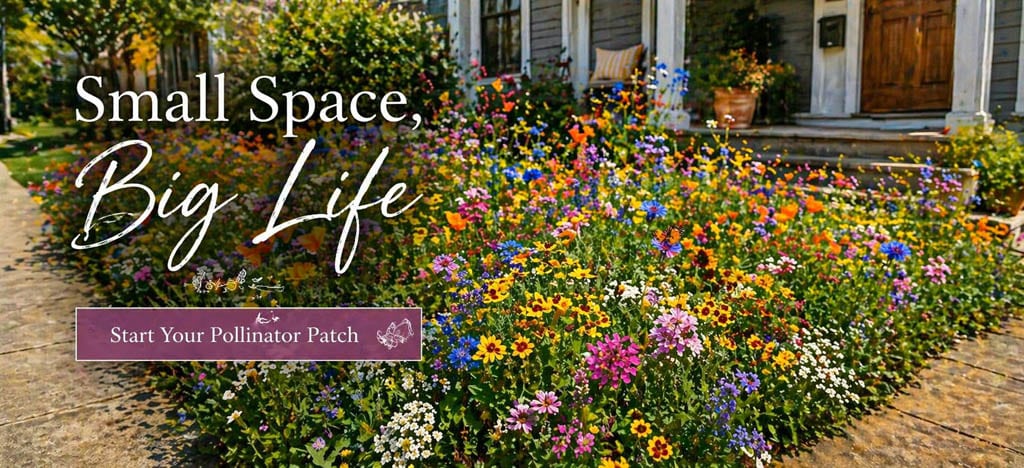
If you're not sure where to begin, starting with pollinator-friendly plants for small spaces is a simple first step.
Improves Soil and Water Health
Beneath the surface, rewilding strengthens your soil in ways a lawn never could.
Deep-rooted plants help water soak in rather than run off, reducing erosion and building soil that holds moisture naturally.
- Less watering
- Fewer chemicals
- Stronger, more resilient plants
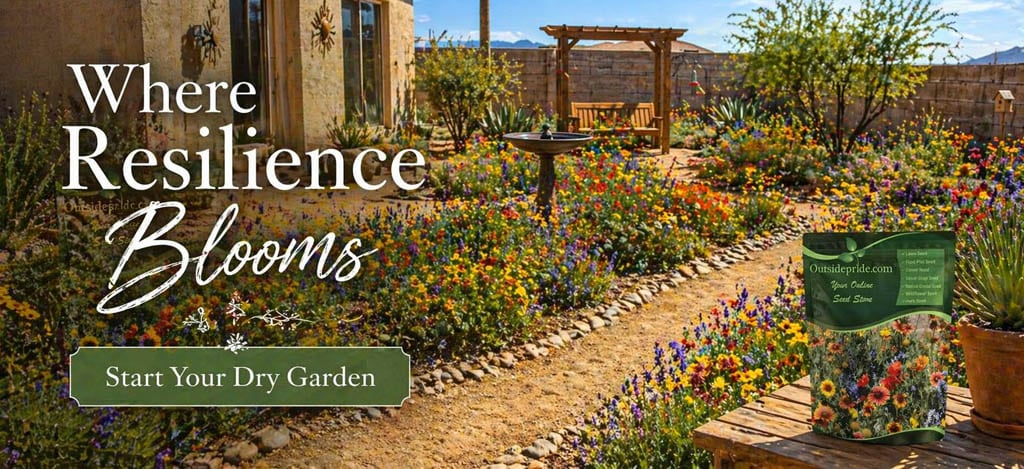
If you’re gardening in a dry climate, combining rewilding with water-wise landscaping techniques can make your space even more sustainable.
Supports Mental Well-Being
There’s something grounding about a space that feels alive and unforced.
Watching bees move through flowers or listening to leaves shift in the breeze gently pulls you out of your head and into the present moment.
Spending time in natural environments has even been shown to reduce stress and support mental clarity
(Harvard Health).
Practices like intentional time in nature can deepen that calming effect even more.
Saves Time and Money
At first, rewilding may feel like a shift—but over time, it simplifies everything.
Once established, your yard begins to care for itself with less mowing, watering, and maintenance.
- Lower water bills
- Less time spent maintaining
- Minimal need for fertilizers or treatments
Approaches like low-maintenance gardening methods can make this transition even easier.
The more your garden works with nature, the less you have to manage.
How to Start Rewilding Your Yard
Rewilding your yard doesn’t happen all at once—and it doesn’t need to.
It begins with a few thoughtful shifts. A patch of lawn softened into flowers. A corner left a little wilder. A choice to work with nature instead of reshaping it.
Start small. Nature will meet you there.
Whether you’re new to gardening or already have an established space, rewilding your yard is less about doing everything—and more about doing the right things, gently and consistently.
A Simple Path to Begin
- Observe your space before making changes
- Start with a small, manageable area
- Choose plants that naturally thrive in your region
- Reduce lawn space little by little
- Let nature take the lead where it can
If you’re starting from scratch, learning how to build a garden step by step can help you feel more confident as you begin.
Keep It Manageable
It’s easy to feel like you need to transform everything at once—but rewilding works best in layers.
Start with one area. Watch how it changes. Let that success guide your next step.
Even something as simple as adding a vertical growing space or container can make a difference—especially in smaller yards. Ideas like growing upward in small spaces can help you expand without overwhelm.
Let It Be a Process
Rewilding your yard is not a finished project—it’s an evolving one.
Each season will bring changes. Some plants will thrive, others will shift, and your space will slowly find its balance.
Leaning into a slower, more intentional rhythm—similar to living more simply and mindfully—can make the process feel less like work and more like a return.
You’re not building a perfect garden—you’re growing a living one.
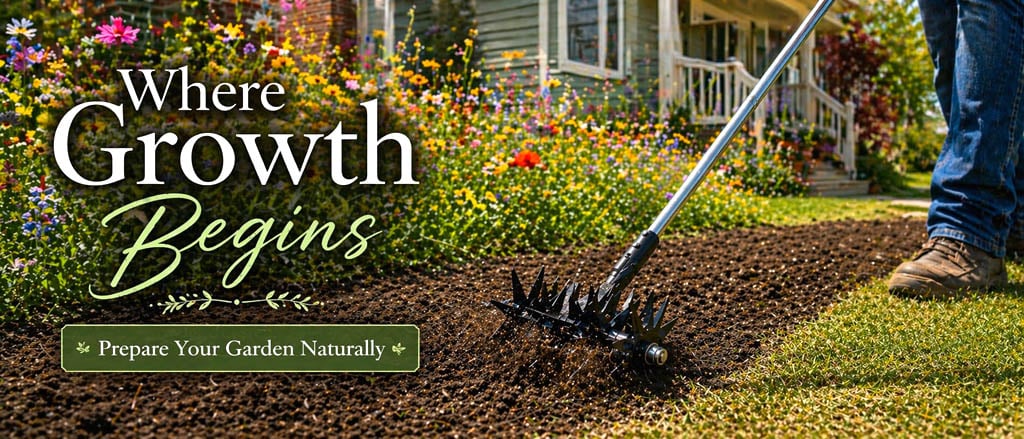
Step 1: Observe Before You Act
Before you dig, plant, or change anything…pause.
Walk your yard slowly. Notice how the light moves, where water lingers, and which areas feel naturally full of life. You may find bees returning to the same blooms or birds settling into familiar corners.
The first step isn’t planting—it’s paying attention.
- Sun and shade patterns throughout the day
- Areas that stay damp or dry out quickly
- Plants already thriving on their own
- Signs of wildlife activity
These small details tell you what your space already wants to become.
If you’re new to reading your garden this way, following a simple seasonal gardening rhythm can help you start noticing these patterns more clearly.
Rewilding your yard works best when you follow the lead of your landscape. The more you observe now, the less you’ll have to correct later.
When you understand your yard, it begins to show you how to grow.
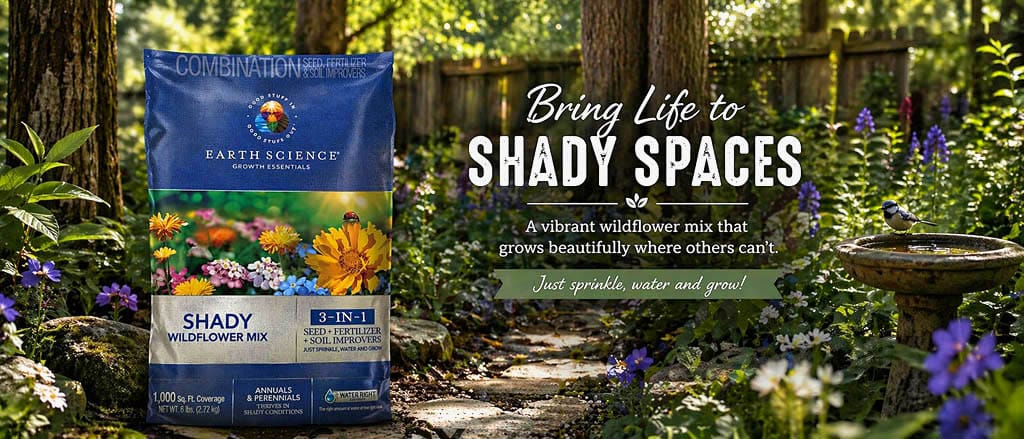
Step 2: Choose the Right Native Plants
This is where your yard begins to come alive.
Native plants are the foundation of rewilding your yard. They already understand your soil, your seasons, and your climate—so once they’re established, they need far less care.
More importantly, they support the life around you. Pollinators recognize them. Birds rely on them. Everything starts to connect.
Plant what belongs, and life will follow.
What to Include
Wildflowers
Think milkweed, bee balm, and coneflower—colorful, easygoing blooms that draw in bees, butterflies, and hummingbirds.
If you’re working with limited space, these pollinator-friendly options are a great place to start.
Native Grasses
Varieties like switchgrass and little bluestem add movement, texture, and quiet shelter for insects and small animals.
Berry-Producing Shrubs
Elderberry and serviceberry offer food and protection for birds, especially through changing seasons.
Flowering Trees
Trees like redbud or dogwood create structure, shade, and nesting spaces. If you’re drawn to this layer, something like adding a native flowering tree can anchor your entire space.
Think in Layers
A thriving yard isn’t flat—it’s layered.
Ground covers, flowers, grasses, shrubs, and trees all work together to create habitat, movement, and visual depth.
If you’re unsure what grows well in your region, exploring guides like native plants for your zone can help you choose with confidence.
When you plant in layers, you don’t just grow a garden—you create a home.

Step 3: Add Habitat Features
Plants bring life in…but habitat helps it stay.
Rewilding your yard means creating small, welcoming spaces where wildlife can rest, nest, and move safely. These additions don’t need to be complicated—they just need to feel natural.
Build a place for life to land, and it will.
Simple Ways to Add Habitat
Brush Piles & Logs
A small stack of branches or a fallen log creates shelter for insects, amphibians, and small animals—especially during cooler months.
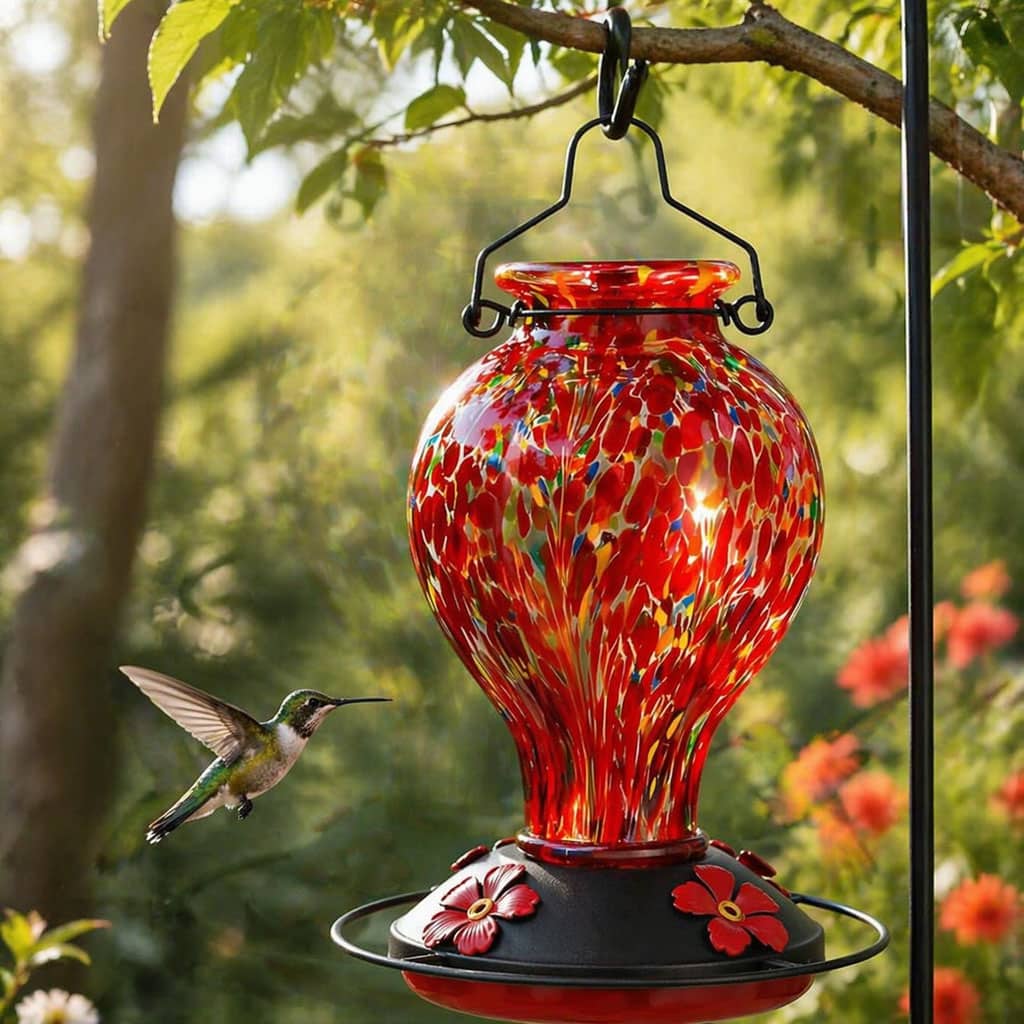
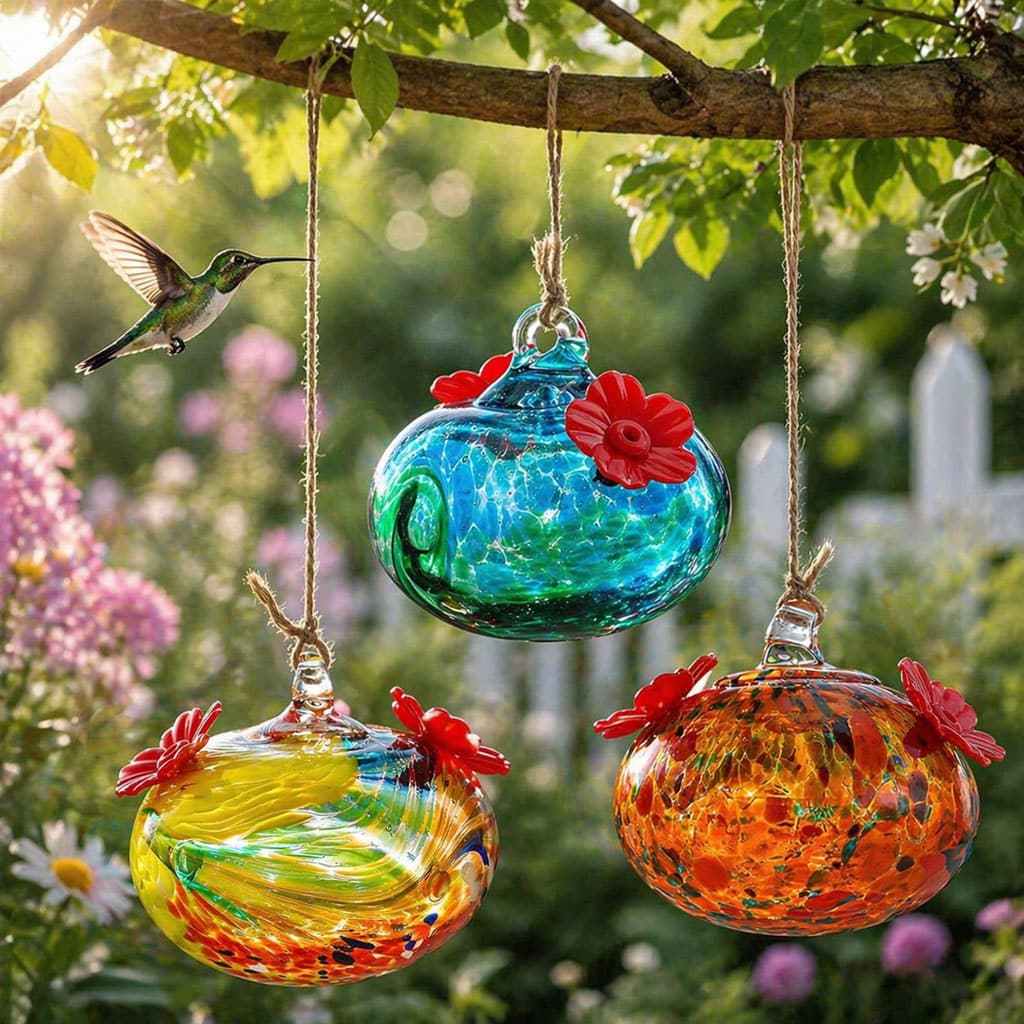
Birdhouses & Feeders
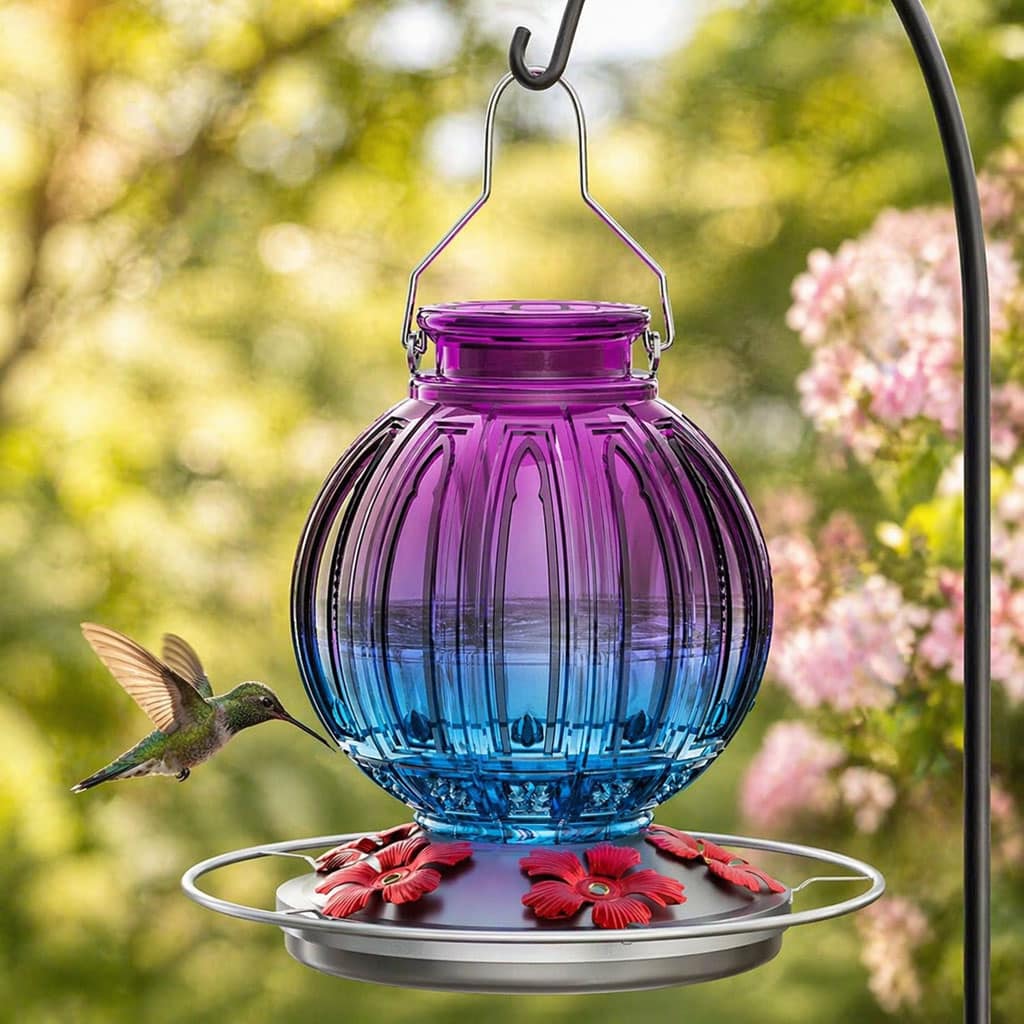
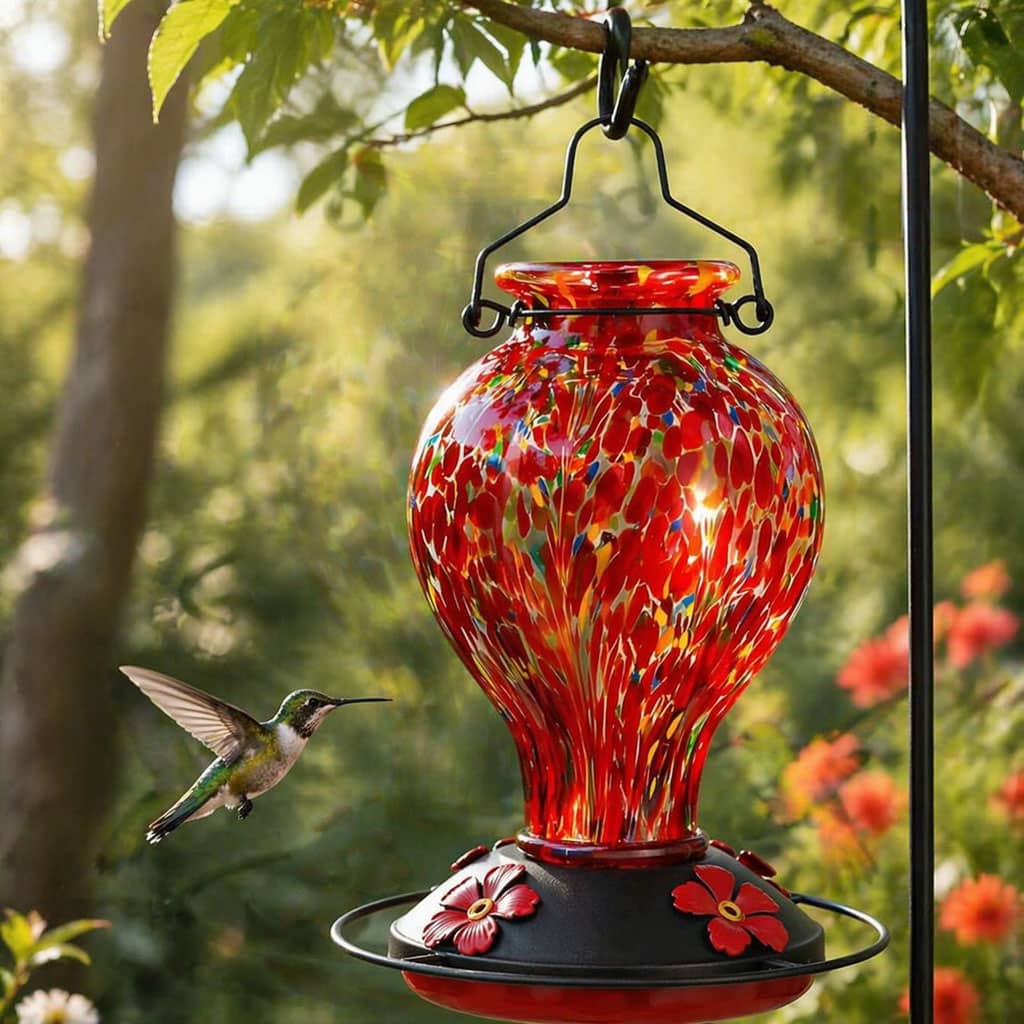
Offering places to perch, nest, and eat invites birds into your space, many of which help naturally manage pests.
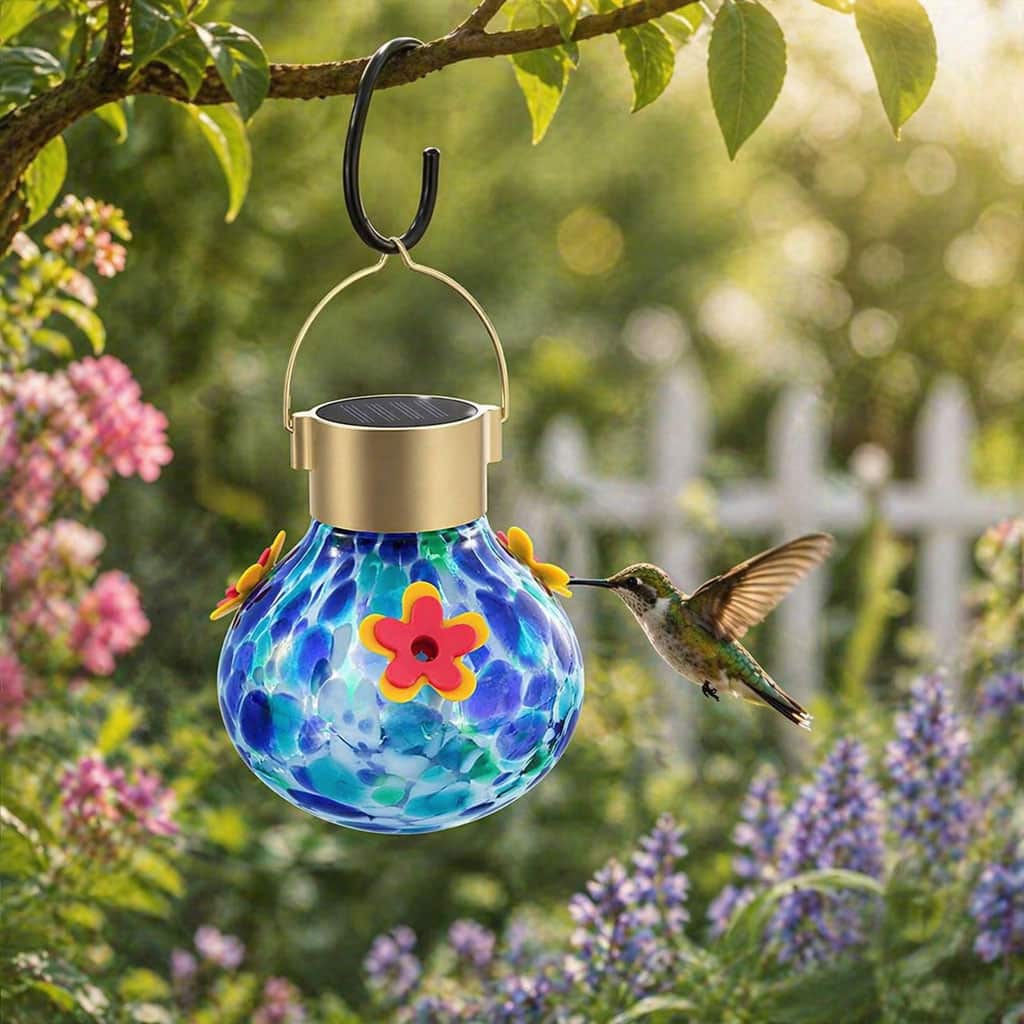
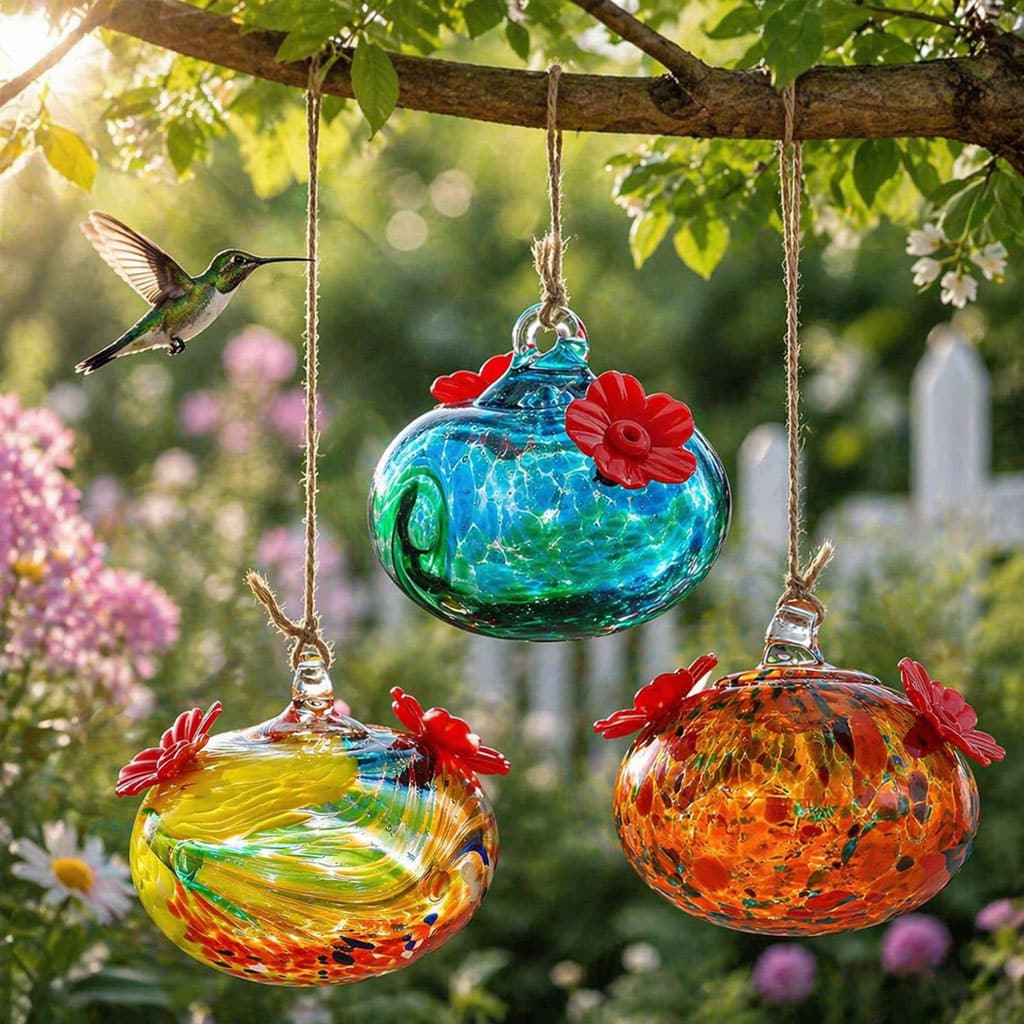
You can even pair this with creating a hummingbird-friendly area for even more activity.
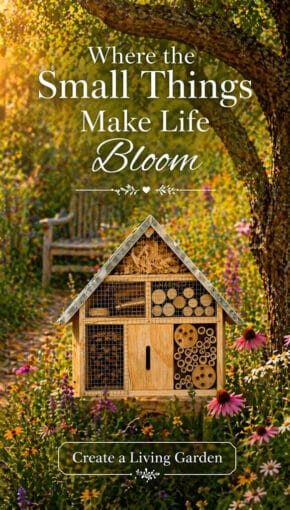
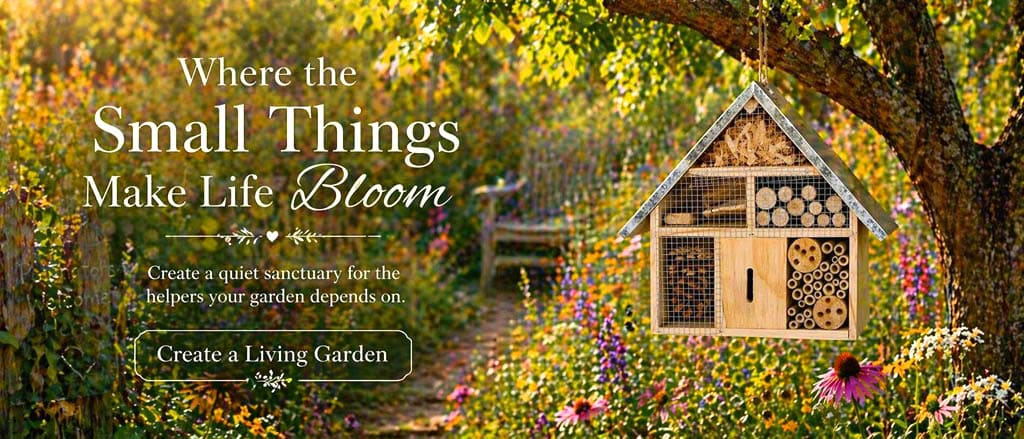
Pollinator Hotels
These small structures give native bees and beneficial insects a safe place to rest and reproduce—quietly supporting your garden behind the scenes.
Water Sources
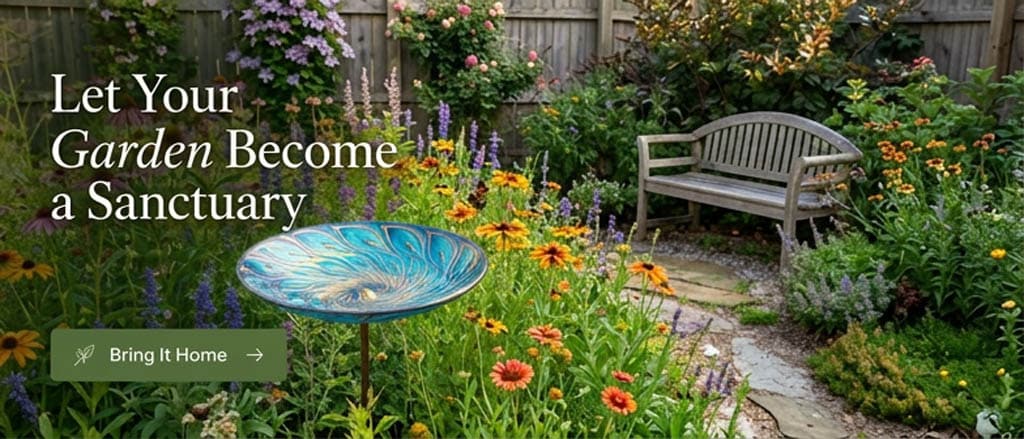
A shallow dish, birdbath, or small pond provides essential hydration and draws in birds, bees, and butterflies—especially during hot, dry periods.
Why It Matters
A rewilded yard isn’t just something you look at—it’s something you experience.
You’ll start to notice movement…birds visiting in the morning, bees drifting through the afternoon, quiet life unfolding in places you didn’t expect.
Encouraging beneficial creatures like natural pest helpers can also help your garden stay balanced without extra effort.
The more welcome your space feels, the more life it will hold.
Step 4: Reduce Lawn Space Gradually
You don’t need to replace your entire lawn overnight.
Start with a single area—a corner, a border, or a strip along a path. Let that space become something softer, more alive.
Change a little, and watch what happens.
Easy Ways to Begin
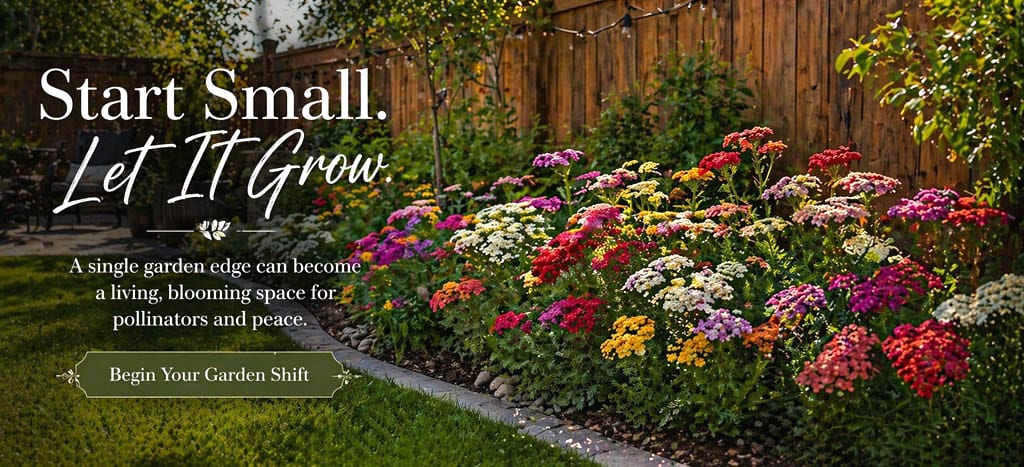
- Turn a lawn edge into a wildflower strip
- Replace a small patch with native shrubs
- Create a simple pollinator corner
- Let one section grow a little more freely
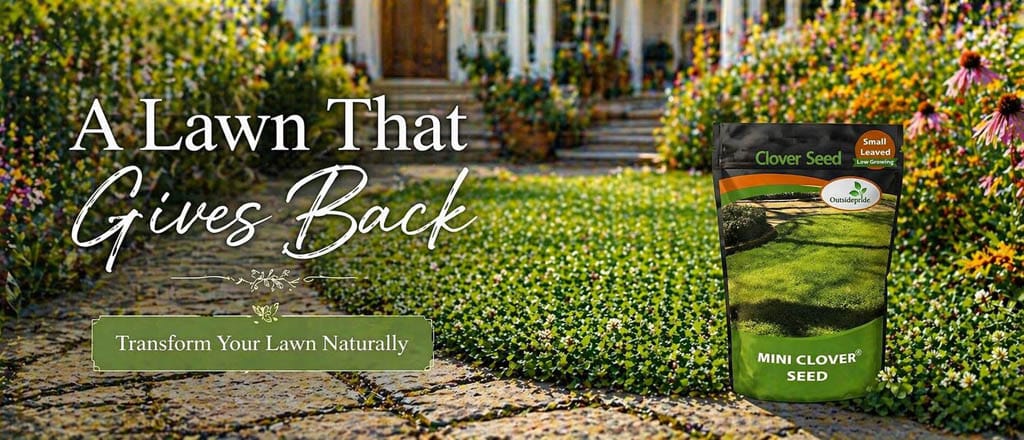
If you want a natural lawn alternative, something like switching to a living groundcover can help you reduce grass without losing greenery.
Let It Grow Over Time
Rewilding your yard works best as a slow expansion.
As each new area settles in, you’ll start to see what thrives—more blooms, more pollinators, more life returning. That momentum makes the next step feel easy.
If you’re building out sections gradually, pairing this approach with a no-dig method can make the process simpler and healthier for your soil.
You don’t have to change everything—just begin where you are.
Over time, those small changes add up…until your yard is no longer just something to maintain, but something that truly supports life.
Step 5: Let Nature Take the Lead
At some point, the best thing you can do…is less.
Once your plants are established and habitats are in place, begin to step back. Let seeds scatter, let plants shift, and allow your yard to evolve in ways you didn’t plan.
Not everything needs your hand—some things just need your trust.
Work With Natural Cycles
Rewilding your yard means allowing natural rhythms to return.
- Let flowers self-seed and spread naturally
- Leave some fallen leaves to nourish the soil
- Allow seasonal changes to shape your space
- Welcome the insects and animals that arrive
Even small shifts—like learning how to return organic matter to your soil—can support these natural cycles in a meaningful way.
Shift From Control to Guidance
Your role begins to change here.
Instead of managing every detail, you begin to guide gently—adjusting when needed, but mostly allowing your yard to find its own balance.
This approach aligns beautifully with a slower, more intentional way of living, similar to embracing a quieter rhythm of life.
The more you let nature lead, the more your garden becomes something alive.
With time, rewilding your yard becomes less of a project and more of a partnership—one that grows richer, fuller, and more beautiful with each passing season.

The Mental Health Benefits of a Rewilded Space
A rewilded yard feels different the moment you step into it.
Quieter. Softer. Less demanding.
It becomes a place where you don’t have to perform or perfect anything—you simply notice. Bees moving through flowers, leaves shifting in the breeze, small moments unfolding on their own.
In a living garden, your only job is to be present.
A Natural Way to Slow Down
These small interactions with nature create quiet moments of awareness—what many consider a form of everyday mindfulness.
Even a few minutes spent here can ease mental noise and help you reset. Research shows that time in natural environments can reduce stress and support emotional well-being
(Harvard Health).
If you want to deepen that feeling, practices like mindful time in nature can turn even a short visit outside into something restorative.
A Sense of Meaning and Connection
Unlike a traditional lawn, a rewilded space changes with you.
You begin to notice growth, return, and renewal. Birds visit. Flowers reseed. Life builds on itself—and you’re part of that process.
That connection brings a quiet sense of purpose, similar to the grounding effect of simple daily wellness rituals that anchor your day.
As your garden grows, something steady grows within you too.
Gentle Movement, Real Relief
Tending your space—planting, watering, observing—offers a kind of movement that feels natural, not forced.
It helps release tension, calm the nervous system, and create space for clearer thinking.
Over time, your yard becomes more than a garden. It becomes a place you return to—again and again—for quiet, balance, and renewal.
Common Myths About Rewilding Your Yard
Rewilding your yard often gets misunderstood.
Let’s gently clear a few things up.
Wild doesn’t mean careless—it means intentional in a different way.
“It Will Look Messy”
A rewilded yard doesn’t have to feel chaotic. With a little structure, it can look calm, layered, and inviting.
- Defined borders or edging
- Winding paths or stepping stones
- Grouped plantings instead of scattered growth
If you love a softer, natural look, styles like embracing imperfect garden design show how beauty and wildness can coexist beautifully.
“It Invites Pests”
A balanced ecosystem actually does the opposite.
When you rewild your yard, you attract natural helpers—birds, beneficial insects, and small predators that keep everything in check.
For example, encouraging creatures like natural garden predators can reduce the need for any chemical intervention at all.
In a healthy garden, balance replaces control.
“You Need a Lot of Space”
You don’t need acres to make an impact.
Rewilding your yard can start with a single corner, a raised bed, or even a few containers filled with native plants.
If space is limited, ideas like growing vertically or creating small pollinator pockets can still support meaningful biodiversity.
Even the smallest patch of green can become a place where life returns.
Maintaining a Rewilded Yard
Rewilding your yard doesn’t mean stepping away completely.
It means caring differently—less control, more awareness.
Your role shifts from constant upkeep to gentle guidance, supporting what’s already working.
Tend lightly, and let nature do the rest.
Seasonal Care, Simplified
- Add mulch in early spring to retain moisture and support new growth
- Remove invasive plants to protect your native ecosystem
- Prune lightly to maintain plant health and allow light through
- Refresh water sources for birds and pollinators
Simple habits like returning nutrients back to your soil can make maintenance even more effortless over time.
Moments of Connection
These small tasks become something more than maintenance.
You begin to notice who visits—birds at the water, bees resting on petals, life moving through your space in quiet, steady ways.
Even adding something simple like a natural nectar source can bring new layers of life into your yard.
Let It Evolve
Over time, your yard begins to find its own rhythm.
Plants reseed, beneficial insects settle in, and patterns emerge with the seasons. What once felt like effort becomes something you simply witness.
This slower, unfolding process reflects the beauty of living in a more natural rhythm—where growth happens without force.
What you begin to care for…begins to care for itself.
The Reward of Rewilding Your Yard
Rewilding your yard becomes something more than a project.
It becomes a relationship.
What begins as a few small changes slowly turns into a space that supports life—birds, pollinators, and the quiet systems that keep everything in balance.
You don’t just grow a garden—you grow a place that gives back.
A Living, Changing Landscape
Over time, your yard begins to tell its own story.
New blooms appear where you didn’t plant them. Birds return season after season. The space shifts—not into disorder, but into something balanced and alive.
If you’re drawn to this kind of natural beauty, planting something like resilient native flowers can be one of the simplest ways to begin.
Start Small, Let It Grow
If it feels like a lot, begin with one small step.
- Plant a small patch of native wildflowers
- Add a simple water source for birds
- Leave a few leaves to nourish the soil
- Watch what naturally returns
Even something as simple as creating a pollinator-friendly space can begin to transform your yard.
A Gift That Grows
Each small act adds up.
What you create becomes a place filled with movement, beauty, and quiet life—something you can step into whenever you need to reset.
In the end, rewilding your yard offers something rare: a space that nurtures the earth, supports wildlife, and gently restores you at the same time.
A wilder yard…a calmer mind…a living space that gives more than it takes.
Sources used for Rewilding your Property
- The Nature Conservancy – What is Rewilding?
- U.S. Forest Service – Nature and Mental Health
- National Wildlife Federation – Creating Backyard Habitats
- Natural Resources Defense Council – Rethinking the Lawn
- National Institutes of Health – Nature Exposure and Mental Health
- Pollinator Partnership – Native Plant Guides
- EPA – Sustainable Landscaping Practices
- Australian Association of Social Workers – Therapeutic Benefits of Nature