Top 10 Native Flowers Zone 8: An Eco-Friendly Gardening Guide
Looking to build an eco-friendly garden filled with life and color? Choosing native flowers Zone 8 gardeners can trust is one of the best ways to support local ecosystems. These hardy bloomers thrive in southern climates, require less maintenance, and provide vital nectar and pollen for bees, butterflies, and hummingbirds. In this guide, we explore the top 10 pollinator-friendly native flowers for Zone 8 and include all the growing details you need.
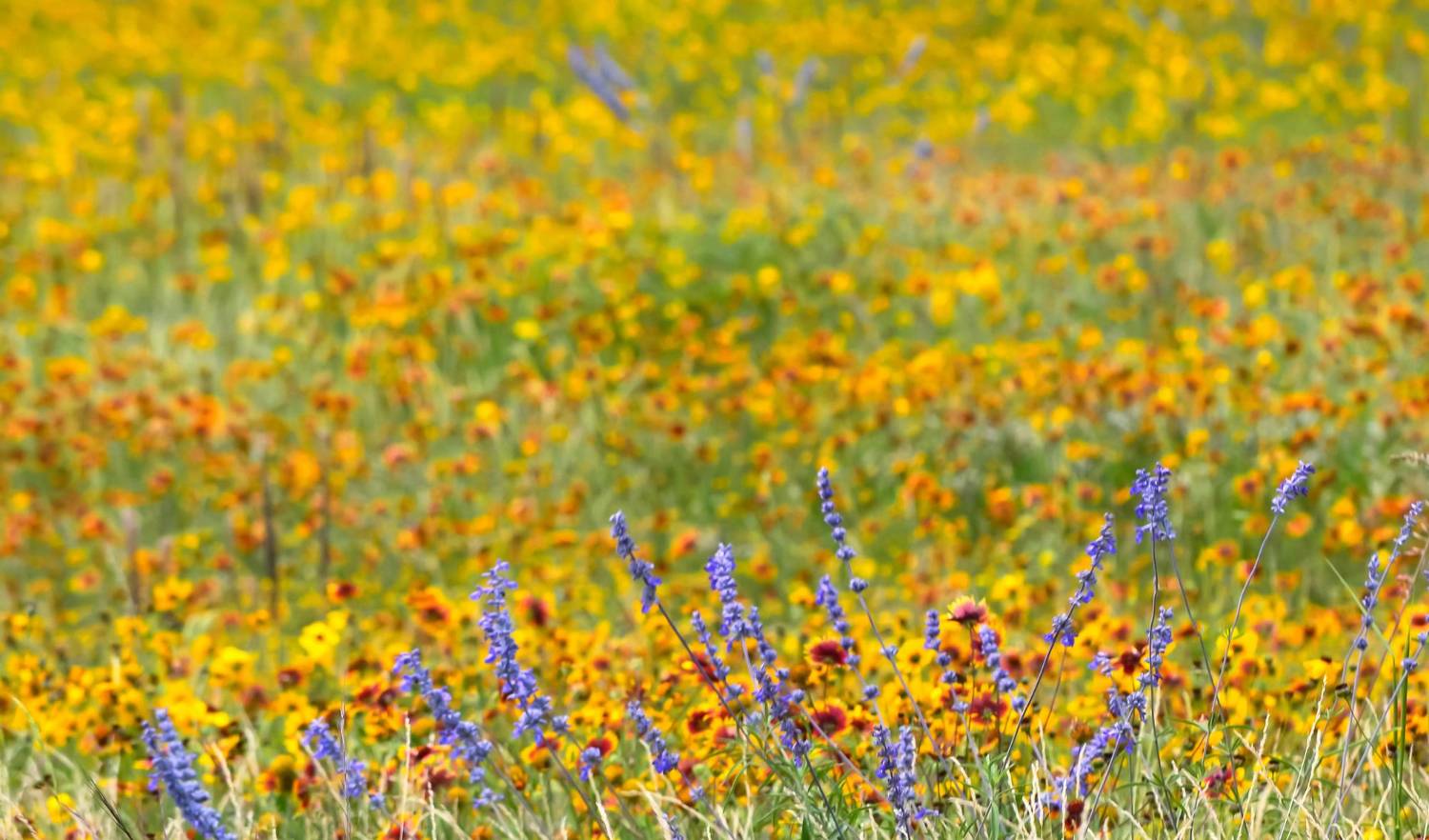
1. Gaillardia (Gaillardia pulchella)
-
Sunlight: Full sun
-
Height: 1 to 2 feet
-
Soil: Well-drained, sandy
-
Water Needs: Low
-
Notable Features: Also called Indian Blanket, this drought-tolerant eco-friendly plant blooms all summer, attracting bees while handling the heat common in Zone 8.

2. Purple Coneflower (Echinacea purpurea)
-
Sunlight: Full sun to partial shade
-
Height: 2 to 5 feet
-
Soil: Well-drained, sandy or loamy
-
Water Needs: Moderate; drought-tolerant once established
-
Notable Features: This showy perennial draws bees, butterflies, and birds with its large purple petals and seed heads. A reliable staple in native flowers Zone 8 gardens.

3. Spotted Beebalm (Monarda punctata)
- Sunlight: Full sun to partial shade
- Height: 1 to 3 feet
- Soil Preferences: Sandy or loamy soils; prefers dry to medium moisture
- Water Needs: Low
- Notable Features: Aromatic foliage; attracts native bees and butterflies
Spotted Beebalm offers unique pink and purple bracts and a spicy, minty aroma that pollinators love. This native flower for Zone 8 is ideal for eco-friendly gardens due to its drought resistance and beneficial insect attraction.

4. Texas Lantana (Lantana urticoides)
- Sunlight: Full sun
- Height: 2 to 6 feet
- Soil Preferences: Sandy, well-drained soils
- Water Needs: Low
- Notable Features: Heat-tolerant; attracts butterflies and hummingbirds
Texas Lantana bursts with clusters of red, orange, and yellow flowers. Native to the southern U.S., it's perfect for Zone 8 gardeners looking for vivid, long-lasting blooms. As a resilient, eco-friendly plant, it's a favorite in pollinator gardens and requires little maintenance once established.

5. Coral Bean (Erythrina herbacea)
- Sunlight: Full sun to partial shade
- Height: 4 to 6 feet (can grow taller in warmer areas)
- Soil Preferences: Well-drained, sandy or loamy soil
- Water Needs: Moderate; drought-tolerant once mature
- Notable Features: Bright red tubular flowers; hummingbird magnet
The Coral Bean is a bold native flower for Zone 8 with striking red blossoms that provide early nectar for hummingbirds. Its sculptural form and dramatic spikes make it a showstopper in any eco-friendly garden.

6. Winecup (Callirhoe involucrata)
- Sunlight: Full sun to light shade
- Height: 6 to 12 inches, spreading groundcover
- Soil Preferences: Dry, rocky, or sandy soils
- Water Needs: Low
- Notable Features: Long blooming; deep magenta flowers
The Winecup is a hardy, drought-tolerant groundcover perfect for sloped or dry areas. Its cup-shaped flowers bloom from spring to fall, making it a versatile and eco-friendly groundcover option for native flowers in Zone 8 gardens.

7. Blazing Star (Liatris spicata)
-
Sunlight: Full sun
-
Height: 2 to 4 feet
-
Soil: Moist, well-drained
-
Water Needs: Moderate
-
Notable Features: Its vertical purple spikes are a favorite landing zone for butterflies. If you’re designing with native flowers Zone 8, this one adds dramatic flair.

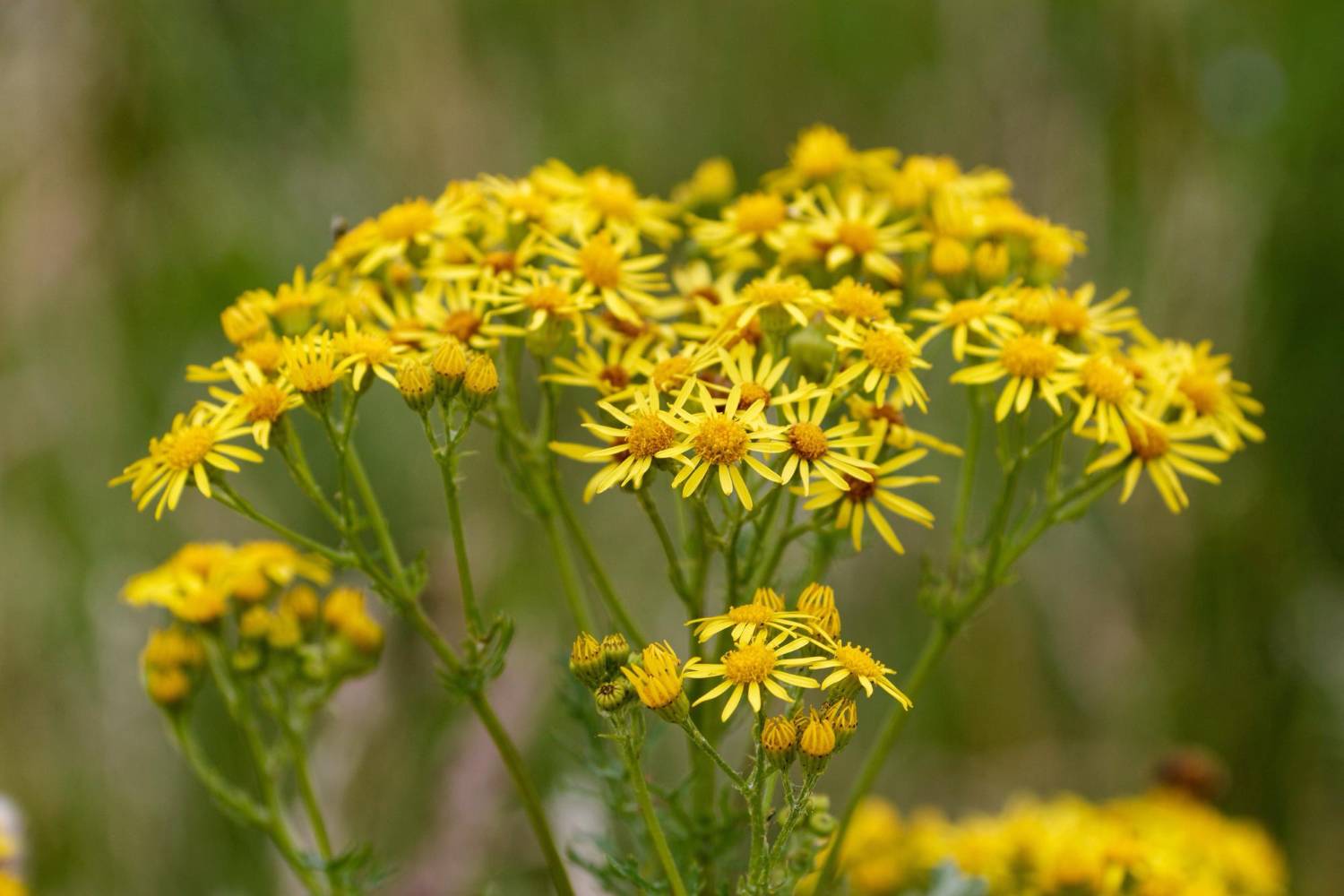
8. Golden Groundsel (Packera aurea)
- Sunlight: Partial to full shade
- Height: 1 to 2 feet
- Soil Preferences: Moist, rich soils; tolerates clay
- Water Needs: Moderate to high
- Notable Features: Early spring bloomer; excellent for woodland gardens
Golden Groundsel is one of the few native Zone 8 flowers that thrive in shady, moist environments. Its golden-yellow daisy-like blooms are among the first to appear in spring, offering early nectar for pollinators.
9. Southern Beeblossom (Oenothera simulans)
- Sunlight: Full sun
- Height: 2 to 4 feet
- Soil Preferences: Well-drained, sandy or loamy soils
- Water Needs: Low
- Notable Features: Delicate white-to-pink blooms open in the evening
Southern Beeblossom is an elegant, ethereal plant known for its evening blooms and appeal to night-flying pollinators like moths. It adds a naturalistic, eco-friendly flair to wildflower meadows or prairie gardens.

10. Tickseed (Coreopsis tinctoria)
- Sunlight: Full sun
- Height: 1 to 3 feet
- Soil Preferences: Dry to medium; well-drained
- Water Needs: Low
- Notable Features: Bright yellow flowers with red centers; reseeds easily
Tickseed is a must-have for Zone 8 native flower gardens, offering continuous color and pollinator support throughout the growing season. Its ability to self-sow and thrive in poor soils makes it both eco-friendly and beginner-friendly.

Other Noteable Zone 8 Pollinator Flowers
* Wild Bergamot (Monarda didyma)
-
Sunlight: Full sun to part shade
-
Height: 2 to 4 feet
-
Soil: Rich, moist, well-drained
-
Water Needs: Moderate
-
Notable Features: With showy red flowers and a spicy aroma, Wild Bergamot repels garden pests and invites hummingbirds, a hallmark of smart eco-friendly gardening.

* Goldenrod (Solidago spp.)
-
Sunlight: Full sun
-
Height: 2 to 5 feet
-
Soil: Tolerates most soil types
-
Water Needs: Low
-
Notable Features: A critical late-season nectar source, Goldenrod supports bees and butterflies when other flowers have faded. It belongs in every native flowers Zone 8 collection.

* Spiderwort (Tradescantia ohiensis)
-
Sunlight: Full sun to part shade
-
Height: 1.5 to 3 feet
-
Soil: Moist, well-drained
-
Water Needs: Moderate
-
Notable Features: These unique blue to purple blooms open in the morning and attract bumblebees. Ideal for those blending aesthetics with eco-friendly intent.

Why Choose Native Flowers in Zone 8?
Gardening with native flowers Zone 8 is more than a trend—it’s a commitment to biodiversity. These plants:
-
Require fewer resources (water, fertilizer, pesticides)
-
Support native insects, birds, and pollinators
-
Are naturally resilient to local climate and pests
-
Fit seamlessly into eco-friendly garden designs
By including a variety of bloom times, colors, and structures, you ensure that your garden supports pollinators all season long.
Final Thoughts
Whether you're planting in beds, borders, or meadows, using native flowers Zone 8 ensures you’re creating a pollinator haven that’s beautiful, sustainable, and resilient. These top 10 selections are easy to grow, require little intervention, and provide habitat and nourishment for the species that keep our ecosystems thriving.
Planting native is one of the most impactful ways to create a truly eco-friendly garden. So dig in, plant thoughtfully, and enjoy the fluttering, buzzing life your garden will attract.
Cited Sources
- Lady Bird Johnson Wildflower Center – Echinacea purpurea
- USDA Plant Guide – Rudbeckia hirta
- NC Extension – Monarda fistulosa
- Xerces Society – Milkweed Plant Lists
- Missouri Botanical Garden – Liatris spicata
- Texas A&M AgriLife – Indian Blanket (Gaillardia pulchella)
- USDA Plant Profile – Coreopsis lanceolata
- Illinois Wildflowers – Monarda didyma
- Pollinator Partnership – Regional Plant Guides
- NC Extension – Tradescantia ohiensis