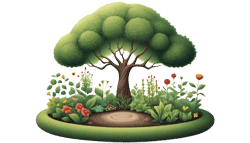

Learning how to create a pollinator garden is one of the most rewarding ways to transform your outdoor space into a thriving ecosystem. Beyond adding color and beauty to your landscape, a pollinator garden provides essential food, water, and shelter for butterflies, bees, hummingbirds, and countless other beneficial insects that help support healthy plant reproduction.
Pollinators are responsible for fertilizing many of the fruits, vegetables, herbs, and flowers we depend on every day. Unfortunately, habitat loss, pesticide use, and environmental changes have contributed to declining pollinator populations across many regions. By intentionally designing your yard with pollinators in mind, you can help reverse that trend while creating a vibrant garden filled with movement, color, and life.
Whether you have a sprawling backyard, a suburban flower bed, or a collection of containers on a patio, you can create a pollinator-friendly space that welcomes these important visitors. The key is providing a combination of nectar-rich flowers, safe nesting areas, clean water sources, and chemical-free growing practices.
In this guide, you'll discover practical steps to create a pollinator garden that attracts butterflies, bees, and hummingbirds throughout the growing season while supporting local biodiversity and enhancing the natural beauty of your landscape.
Choose Native Plants for a Thriving Pollinator Garden
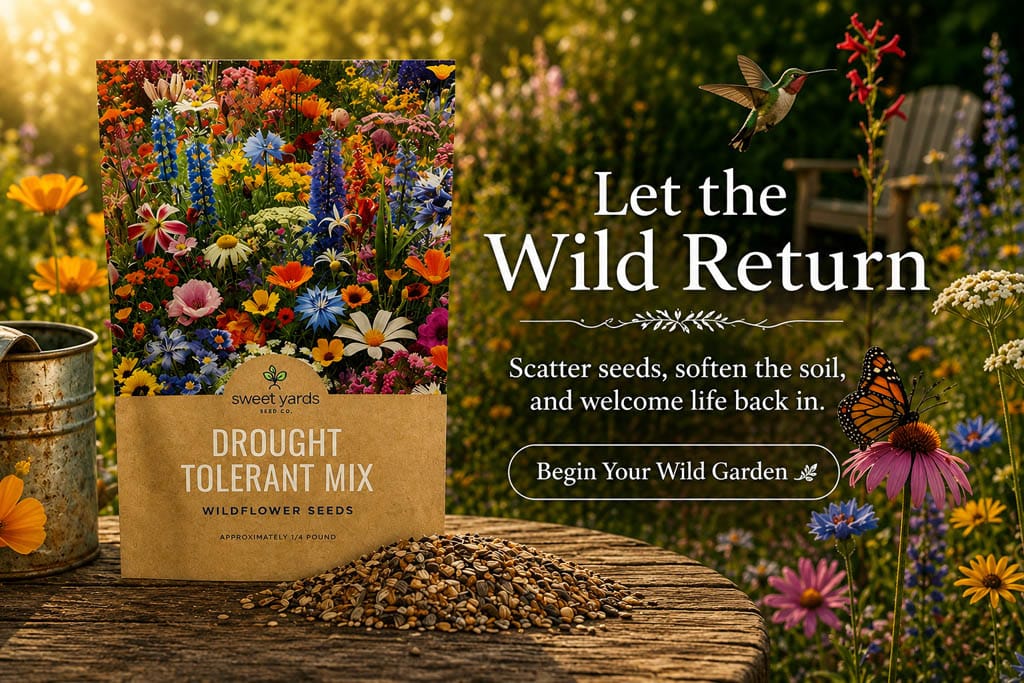
The foundation of any successful pollinator garden begins with selecting the right plants. Native flowers, shrubs, grasses, and trees have evolved alongside local pollinators for thousands of years, creating a natural relationship that benefits both plants and wildlife. Because native species are already adapted to local climate conditions, they often require less water, fertilizer, and maintenance than non-native ornamentals.
When you create a pollinator garden using native plants, you provide the exact nectar, pollen, and host plant resources that local butterflies, bees, and hummingbirds need to survive. Native flowers often bloom more reliably, produce higher-quality nectar, and offer familiar feeding opportunities that pollinators instinctively recognize.
Excellent pollinator-friendly choices include milkweed for monarch butterflies, bee balm for hummingbirds and native bees, coneflowers for a wide variety of pollinators, and native sunflowers that provide both nectar and seeds. If you're looking for additional inspiration, explore these native flowers for Zone 8 pollinator gardens to discover species that thrive while supporting local wildlife.
To maximize pollinator activity, choose plants with varying bloom times. Early spring flowers provide crucial food sources when pollinators emerge from winter dormancy, while summer and fall blooms continue supplying nectar during migration and breeding seasons. A thoughtfully planned succession of blooms ensures your garden remains a dependable food source from spring through frost.
Plant diversity is equally important. Different pollinators are attracted to different flower shapes, colors, and nectar sources. Tubular flowers often attract hummingbirds, while flat-topped blooms provide convenient landing platforms for butterflies and native bees. By including a wide range of plant species, you create a garden that welcomes many different pollinator populations rather than serving only one group.
As your native plants mature, you'll notice your garden becoming increasingly active with buzzing bees, fluttering butterflies, and hovering hummingbirds. This growing diversity is a sign that your garden is functioning as a healthy habitat and contributing positively to your local ecosystem.

Create Water Sources That Keep Pollinators Coming Back
While flowering plants often receive most of the attention, access to clean water is just as important when learning how to create a pollinator garden. Butterflies, bees, hummingbirds, and other beneficial wildlife need reliable water sources for drinking, cooling themselves, and maintaining overall health. A garden that offers both nourishment and hydration becomes far more attractive to pollinators and can encourage them to visit regularly throughout the season.
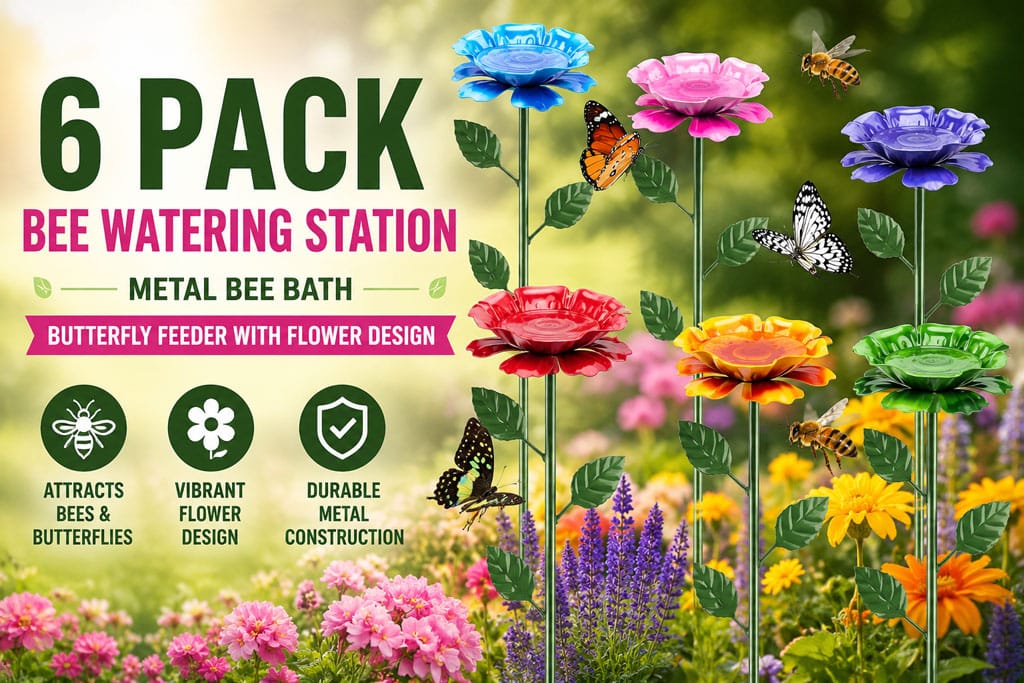
Fortunately, creating pollinator-friendly water stations does not require elaborate ponds or expensive features. Even a simple shallow dish filled with fresh water can make a meaningful difference. The key is ensuring pollinators can safely access the water without the risk of drowning. Adding pebbles, small stones, or pieces of driftwood gives insects and butterflies secure landing spots where they can drink safely.
Birdbaths are another excellent addition to a pollinator garden. Shallow birdbaths with textured surfaces provide drinking opportunities not only for pollinators but also for songbirds and other beneficial wildlife. If possible, position water sources near flowering plants and sheltered areas so pollinators can easily move between feeding, resting, and drinking locations.
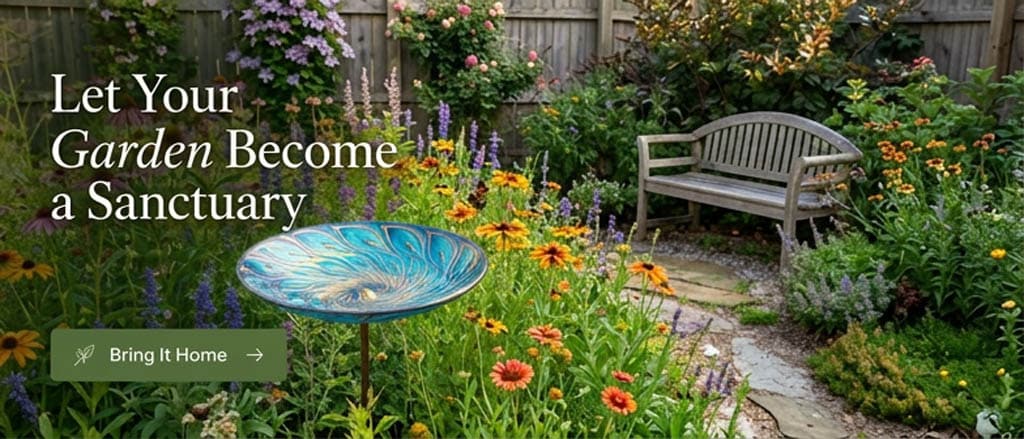
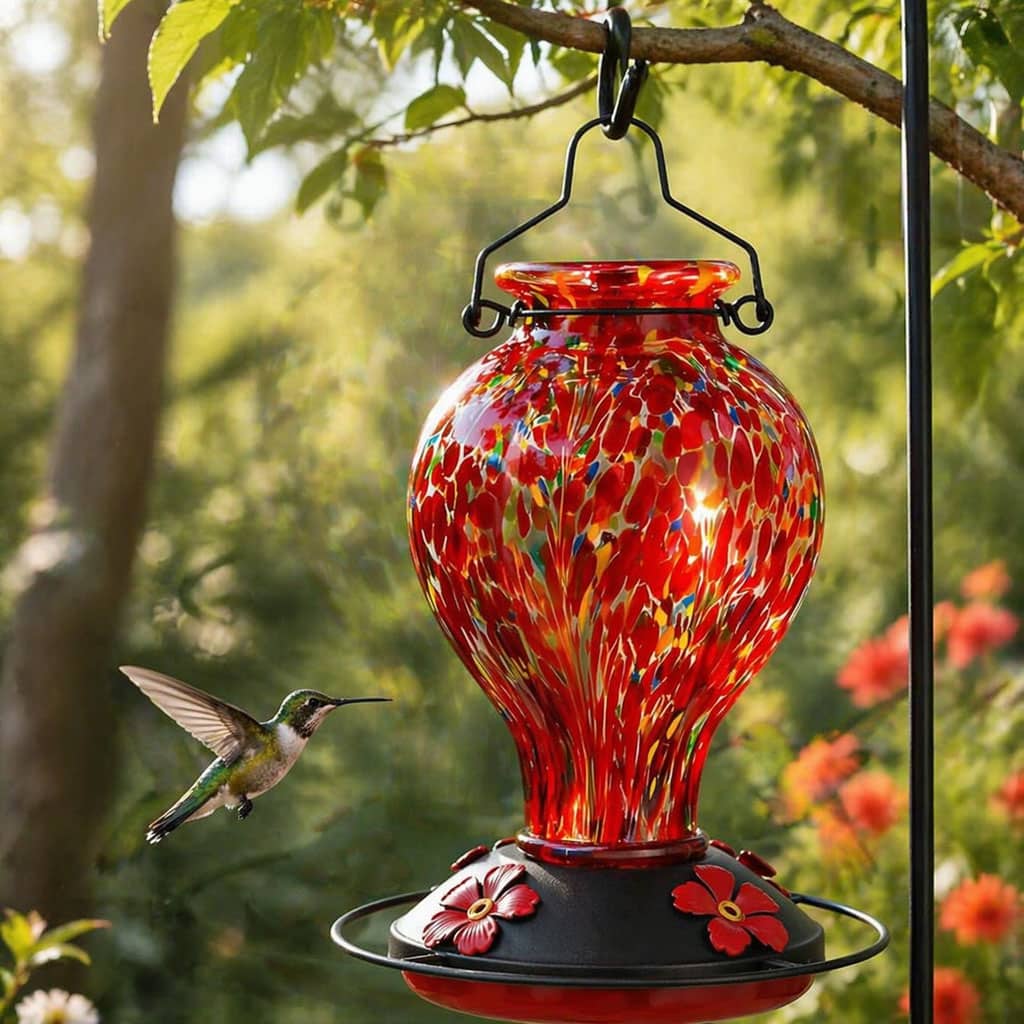
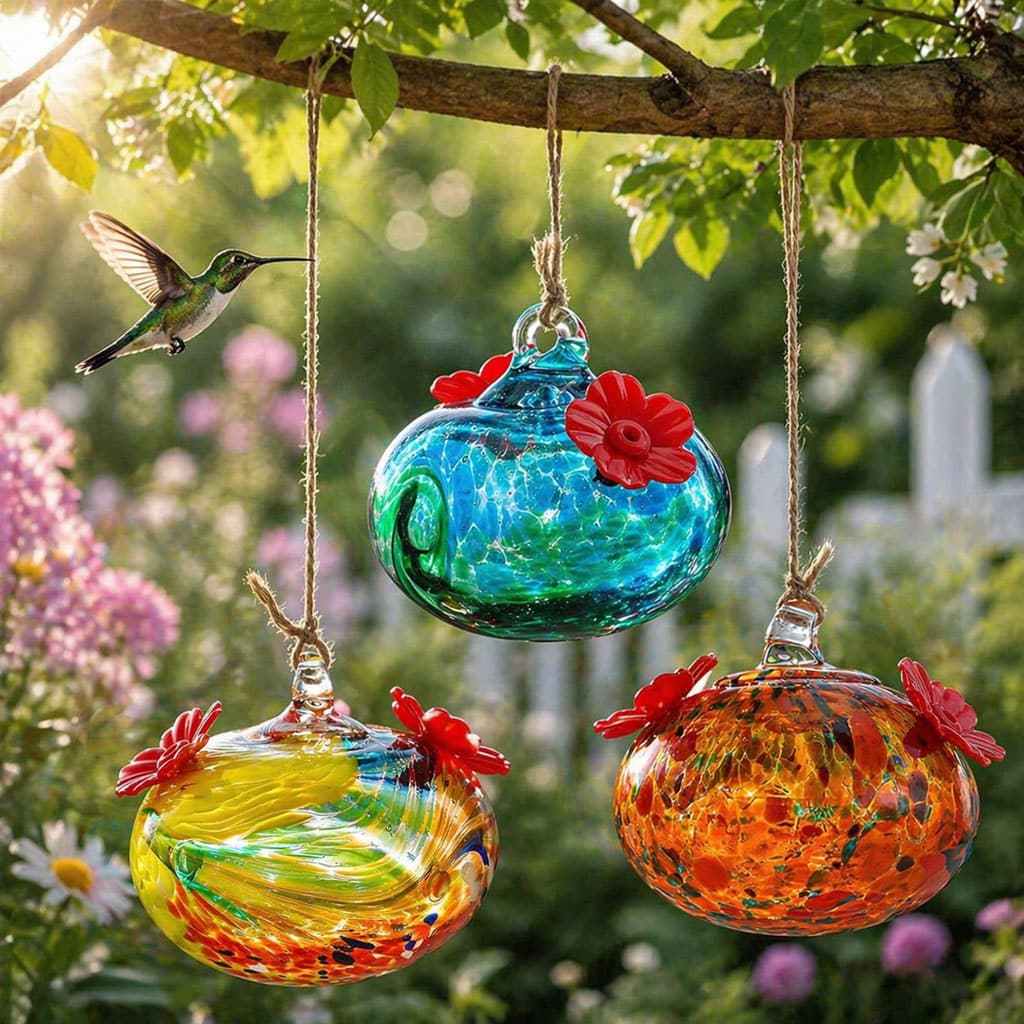
Hummingbirds are particularly attracted to moving water. A small fountain, bubbler, or gently circulating water feature can catch their attention from a distance and encourage frequent visits. The soothing sound of moving water also adds a peaceful atmosphere to your garden, creating a space that benefits both wildlife and people.
Butterflies often engage in a behavior known as "puddling," where they gather on moist soil or shallow muddy areas to absorb minerals and nutrients. Creating a small puddling station is simple. Fill a shallow container with sand, add a few flat stones, and keep it consistently moist. This small feature can quickly become a favorite gathering spot for many butterfly species.

Regular maintenance is essential to keep water sources safe and healthy. Refresh water frequently, remove debris, and clean containers regularly to prevent algae growth and discourage mosquitoes from breeding. Fresh, clean water helps reduce disease transmission while ensuring pollinators always have access to a reliable resource.
If you want to create an even more wildlife-friendly landscape, consider combining your water features with habitat-rich plantings. Incorporating native flowers and naturalized garden spaces, as discussed in our guide to rewilding your yard, can help create a thriving ecosystem where pollinators have everything they need to flourish.
By thoughtfully adding water sources throughout your garden, you transform your landscape from a simple collection of plants into a complete habitat. These hydration stations may seem like a small detail, but they often become one of the most valuable resources your butterflies, bees, and hummingbirds depend on every day.
Provide Sheltered Habitats for Nesting, Resting, and Protection
A truly successful pollinator garden offers more than flowers and water. Pollinators also need safe places to rest, seek shelter from harsh weather, escape predators, and raise the next generation. When gardeners focus only on nectar-producing plants, they often overlook one of the most important pieces of pollinator conservation: habitat.
To create a pollinator garden that supports wildlife throughout every stage of its life cycle, it's important to include a variety of natural sheltering features. Dense plantings, native shrubs, ornamental grasses, small trees, brush piles, and even fallen logs can all provide valuable refuge. These natural elements help create a layered landscape that mimics the habitats pollinators would naturally seek in the wild.
Butterflies depend heavily on protected areas where they can rest during windy weather and cool evenings. Shrubs and taller perennials provide important windbreaks while creating sunny spots where butterflies can bask and regulate their body temperature. Many butterfly species also require specific host plants where they lay their eggs and where caterpillars can safely feed before transforming into adults.
Native bees have shelter requirements that are often quite different from honeybees. In fact, many native bee species are solitary rather than social. Some nest in hollow plant stems, while others create tunnels in dead wood or underground burrows. Leaving portions of your garden slightly less manicured can provide valuable nesting opportunities. Hollow stems left standing through winter, small brush piles, and patches of bare, undisturbed soil can become critical nesting sites for these hardworking pollinators.
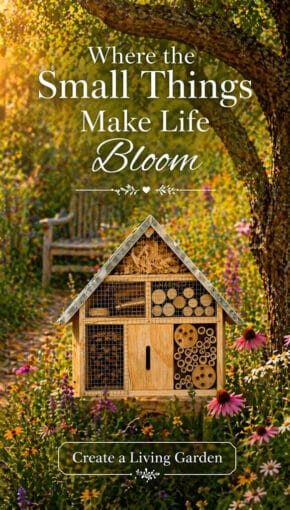
Bee hotels can also provide supplemental nesting opportunities for certain solitary bee species. Place them in a sunny location protected from excessive rain and strong winds. However, natural habitat features should remain the primary focus, as they support a wider range of beneficial insects and wildlife.
Hummingbirds benefit from shelter as well. Small trees, dense shrubs, and layered vegetation provide protected areas where they can rest between feeding visits. These sheltered locations offer protection from predators and harsh weather while giving hummingbirds safe places to perch and observe their surroundings.
One of the easiest ways to improve habitat value is to embrace a slightly more natural gardening style. Instead of removing every leaf and plant stem in autumn, consider leaving some natural debris in place until spring. Many beneficial insects overwinter in leaf litter, hollow stems, and protected crevices. Gardeners who practice more nature-centered approaches often discover that a little untidiness can lead to significantly greater biodiversity.
For even more inspiration on creating a landscape that supports pollinators and wildlife year-round, explore the principles of Wabi-Sabi gardening,which embraces the beauty of natural processes and encourages garden spaces that feel welcoming to both people and the creatures that call them home.
By incorporating shelter into your garden design, you create more than a feeding station. You build a complete habitat where butterflies can reproduce, bees can nest, and hummingbirds can thrive. These protected spaces help transform your pollinator garden into a resilient ecosystem that supports wildlife throughout the year rather than only during bloom season.

Avoid Pesticides to Protect the Pollinators You're Trying to Attract
One of the most important steps in learning how to create a pollinator garden is understanding that not all garden products are pollinator-friendly. While pesticides and herbicides are often marketed as quick solutions to common garden problems, many of these chemicals can unintentionally harm the very butterflies, bees, hummingbirds, and beneficial insects you are hoping to attract.
Even products labeled for home garden use can have devastating effects on pollinator populations. Some insecticides affect a pollinator's ability to navigate, locate food, reproduce, or return to its nest. Others can contaminate nectar and pollen, exposing pollinators long after the product has been applied. Because many pollinators visit dozens or even hundreds of flowers each day, their exposure can quickly add up.
Fortunately, a healthy pollinator garden often develops its own natural balance over time. As biodiversity increases, so does the presence of beneficial predators that help keep pest populations under control. Rather than reaching for chemical sprays at the first sign of damage, consider adopting a more ecosystem-based approach to garden management.
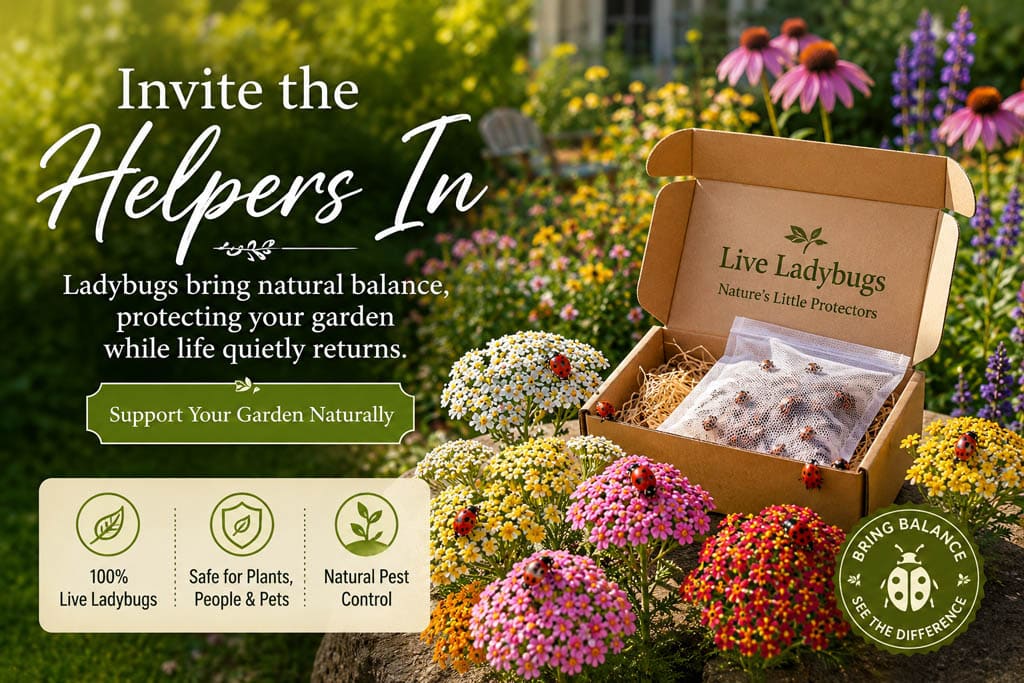
One effective strategy is encouraging beneficial insects that naturally prey on common garden pests. Ladybugs consume large numbers of aphids, lacewings feed on soft-bodied insects, and predatory wasps help control caterpillar populations. By welcoming these natural allies, you can often reduce pest problems without resorting to chemicals.
Another valuable garden helper is the praying mantis. These fascinating predators feed on a wide variety of insects and can help maintain balance within your garden ecosystem. Learn more about their role in natural pest management in our guide to using praying mantises for organic pest control.
Healthy gardening practices can also prevent many pest issues before they begin. Proper plant spacing improves air circulation, reducing fungal diseases. Diverse plantings make it harder for pests to overwhelm a single crop or flower species. Maintaining healthy soil encourages vigorous plant growth, allowing plants to better withstand occasional insect damage without significant harm.
Companion planting is another excellent tool for pollinator-friendly gardeners. Certain plants naturally repel pests, attract beneficial insects, or confuse pest species through their scent. These natural relationships help reduce pest pressure while enhancing the overall ecological value of your garden.
When intervention becomes necessary, choose the least harmful option available. Hand-picking pests, using insecticidal soaps selectively, or applying organic treatments during times when pollinators are least active can help minimize unintended impacts. Always avoid spraying blooming plants, as flowers are often the primary feeding sites for bees and butterflies.
It's also important to remember that a few chewed leaves are often a sign of a healthy ecosystem rather than a problem. Caterpillars that nibble on host plants today become the butterflies that pollinate your flowers tomorrow. A perfectly pristine garden may actually support less wildlife than one that shows a few signs of nature at work.
By reducing or eliminating pesticide use, you create a safer environment where pollinators can forage, reproduce, and thrive. Over time, your garden becomes a self-supporting ecosystem filled with beneficial insects, healthy plants, and the vibrant activity that makes pollinator gardens so rewarding to grow.

Conclusion
Creating a pollinator garden is one of the most meaningful ways to support local ecosystems while transforming your yard into a vibrant, living sanctuary. By thoughtfully selecting native plants, providing reliable water sources, creating sheltered habitats, and avoiding harmful pesticides, you can build a landscape that welcomes butterflies, bees, hummingbirds, and countless other beneficial creatures throughout the year.
The beauty of a pollinator garden extends far beyond its colorful blooms. Every flower visited by a bee, every butterfly that finds a host plant, and every hummingbird that pauses for nectar contributes to a larger web of life. These small actions in our own backyards collectively help strengthen pollinator populations, improve biodiversity, and support healthier ecosystems for future generations.
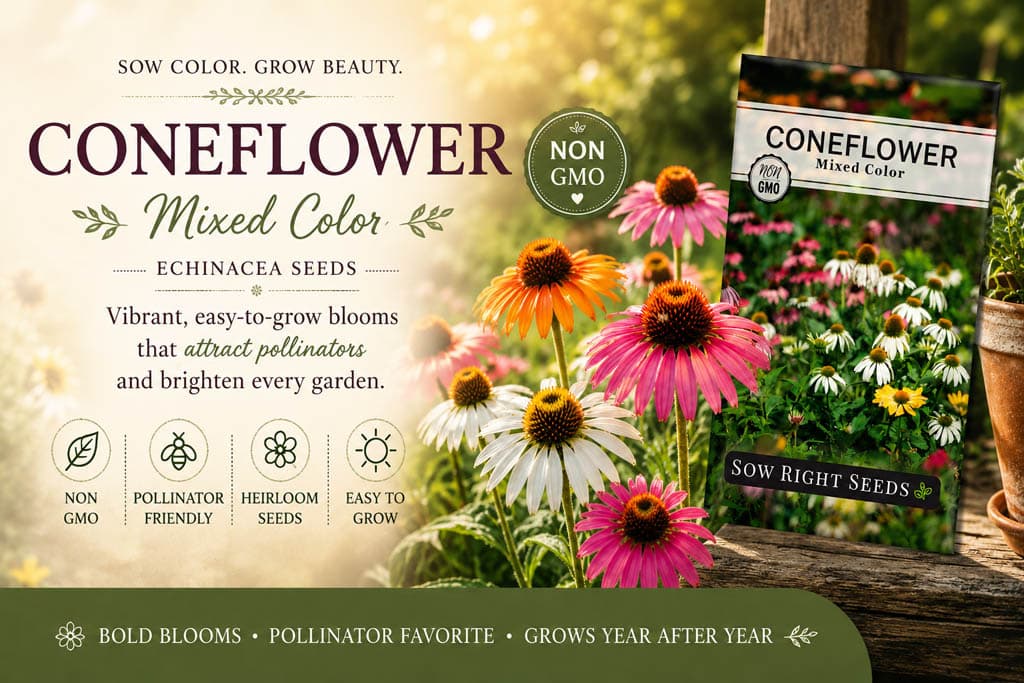
For a beautiful easy flower that returns yearly read about growing colorful coneflowers (Echinacea) in a pollinator-friendly garden.
If you're just getting started, remember that you don't need acres of land to make a difference. Even a small garden bed, a collection of containers, or a thoughtfully planted corner of your yard can provide valuable resources for pollinators. As your garden matures, you'll likely notice an increase in wildlife activity, creating a deeper connection to the natural world right outside your door.
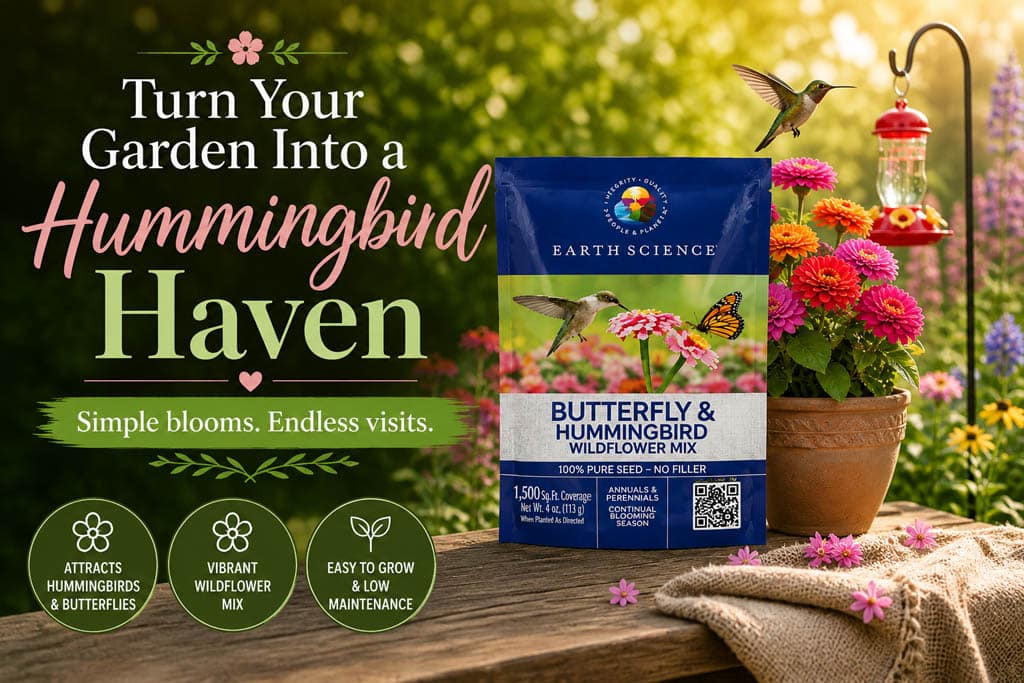
For gardeners looking to expand their pollinator-friendly efforts, our guide on creating a hummingbird garden offers additional ideas for attracting these fascinating aerial visitors and building an even richer habitat.
You can also explore science-based pollinator conservation recommendations from the Xerces Society for Invertebrate Conservation, one of the world's leading organizations dedicated to protecting pollinators and other beneficial insects through research, education, and habitat restoration.
By taking steps today to create a pollinator garden, you're doing far more than planting flowers. You're creating a refuge for wildlife, supporting essential ecosystem services, and helping ensure that future generations can continue to enjoy the beauty and benefits of a world filled with butterflies, bees, and hummingbirds.