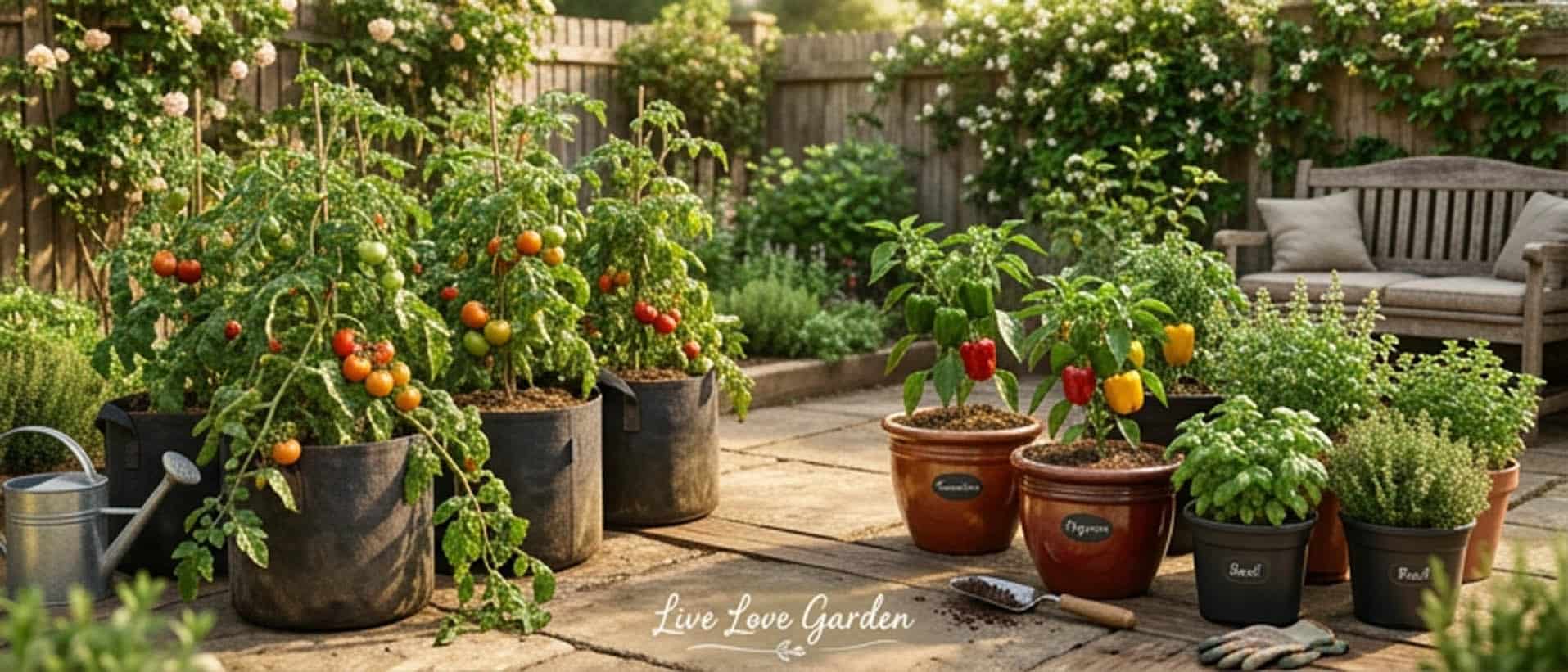
If you have ever stood in the garden center holding a floppy fabric grow bag in one hand and a sturdy plastic pot in the other, you already know the strange little dilemma modern gardeners face.
Everywhere you look, someone seems passionately devoted to one side.
Scroll through gardening videos long enough and you will hear:
- “Grow bags completely changed my tomato harvests.”
- “Plastic pots are easier and hold water better.”
- “Fabric pots prevent root problems.”
- “Plastic containers last forever.”
For beginners especially, all the conflicting advice can start feeling like trying to decode an underground gardening religion instead of simply choosing a container.
The truth is much less dramatic and far more helpful:
Both grow bags and plastic pots can grow beautiful, productive vegetables.
But once summer heat settles in, roots begin expanding, watering schedules become inconsistent, and harvest season ramps up, these two container styles start behaving very differently.
That difference affects:
- how often you water
- how healthy roots stay
- how quickly soil dries out
- how plants handle heat stress
- how productive your harvests become
And perhaps most importantly, it affects how enjoyable container gardening feels day to day.
There is no perfect container for every gardener.
The best choice depends on your:
- climate
- watering habits
- available space
- vegetable choices
- gardening style
- daily routine
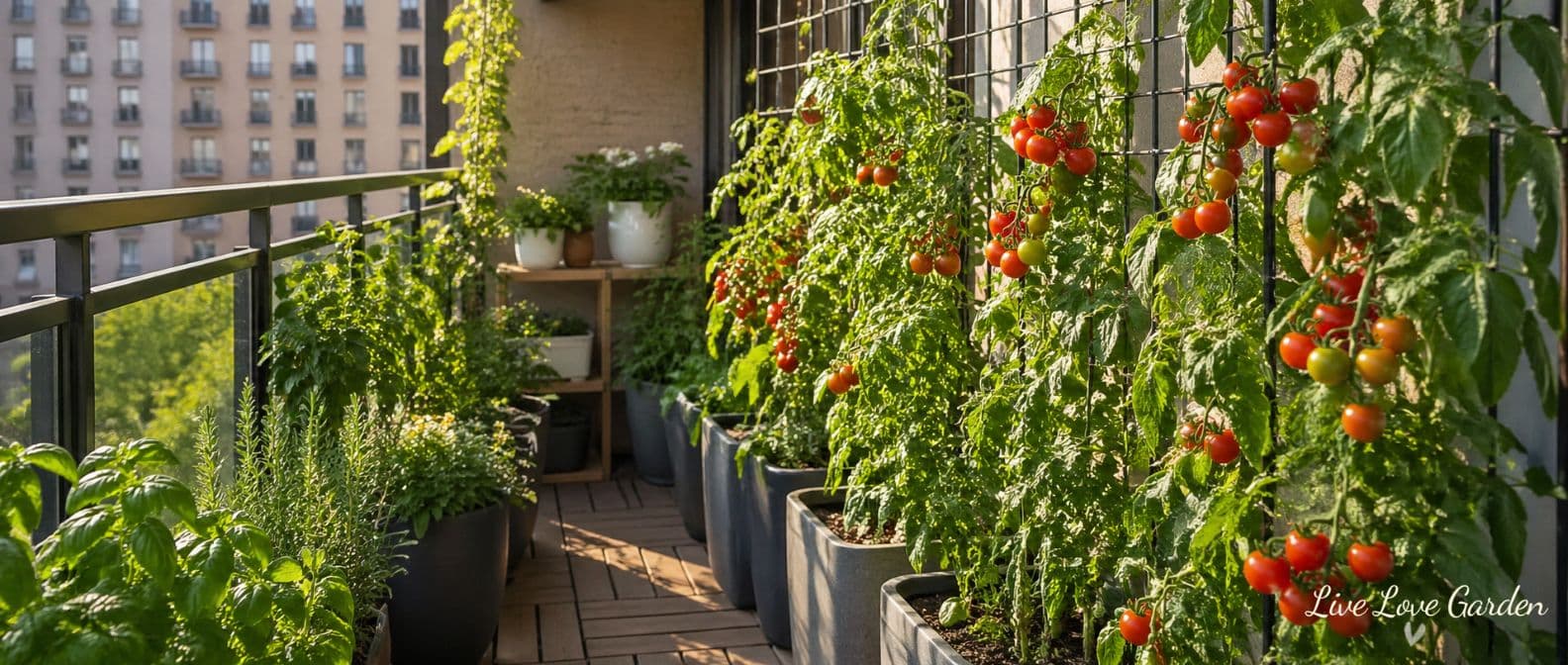
A gardener growing tomatoes on a scorching apartment balcony in Texas may need something completely different than someone tending herbs on a mild coastal patio.
Likewise, busy gardeners who occasionally forget to water may have very different experiences with breathable fabric pots than gardeners who happily wander outside with a watering can every morning like it is a peaceful little ritual.
The best containers for vegetable gardening are not always the trendiest ones. They are the ones that work with your environment instead of fighting against it.
Understanding the strengths and weaknesses of grow bags vs plastic pots can save money, reduce frustration, and dramatically improve your harvests over time.
And honestly, many experienced gardeners eventually discover something surprising:
There is room for both.
Some vegetables absolutely thrive in breathable fabric pots, while others appreciate the steadier moisture levels plastic containers provide.
In this guide, we will walk through the real-world differences between grow bags for vegetables and plastic pots for vegetable gardening so you can confidently decide which setup works best for your space, climate, and gardening style.
What Are Grow Bags?
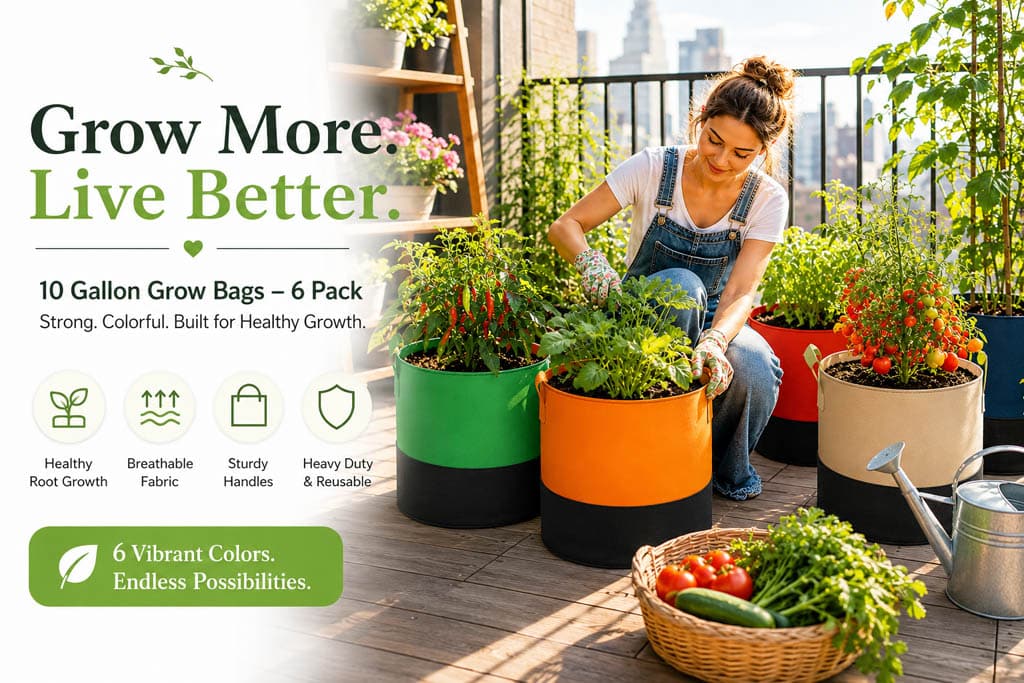
Grow bags are breathable fabric containers usually made from thick geotextile material that feels a little like industrial felt.
Over the last several years, they have exploded in popularity among vegetable gardeners, especially people growing tomatoes, peppers, potatoes, and cucumbers in small spaces.
The appeal is easy to understand.
Grow bags are lightweight, foldable, portable, and incredibly beginner-friendly in some important ways. Unlike rigid containers, the fabric sides allow oxygen to move through the root zone more freely.
This airflow creates one of the biggest advantages of grow bag gardening: air pruning.
Instead of roots endlessly circling around the inside wall of the container, roots naturally stop growing when they reach air exposure. This encourages branching and creates a denser, healthier root system.
For heavy-feeding crops like tomatoes and peppers, healthier roots often translate into stronger growth and better harvests.
If you are growing productive balcony vegetables, you may also enjoy reading this guide to high-yield tomatoes in small spaces and these pepper growing tips for containers.
What Are Plastic Pots?
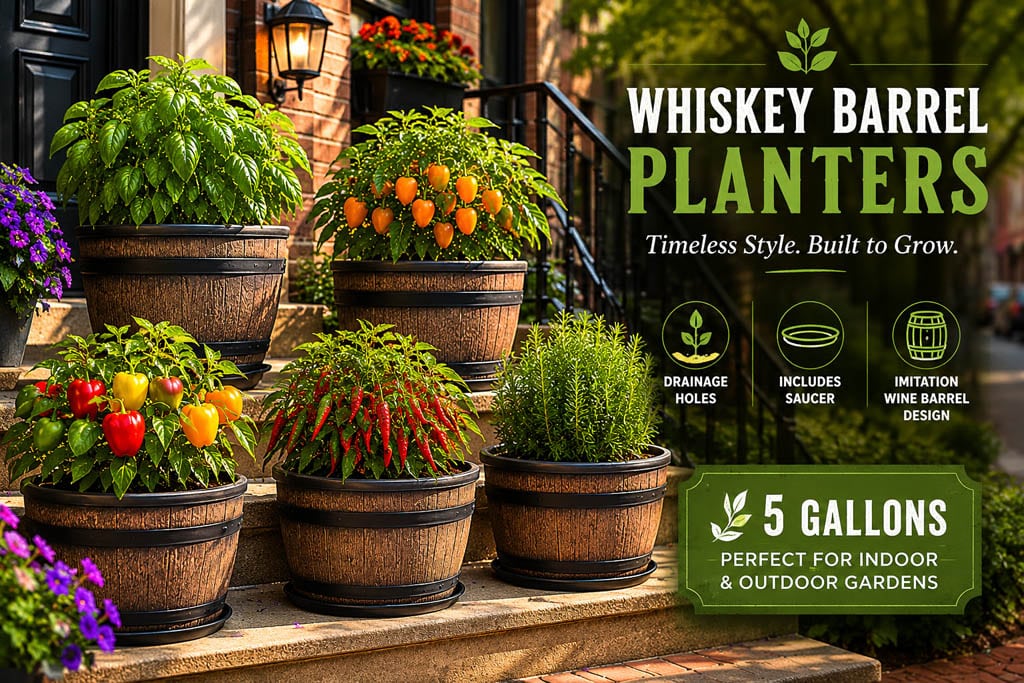
Plastic pots are the longtime workhorses of container gardening.
They include:
- nursery pots
- decorative patio containers
- resin planters
- lightweight molded containers
- traditional gardening pots
Plastic pots remain popular because they are affordable, widely available, durable, and easy to use.
Unlike grow bags, plastic containers hold moisture longer. For busy gardeners or people living in extremely hot climates, this can be a major advantage.
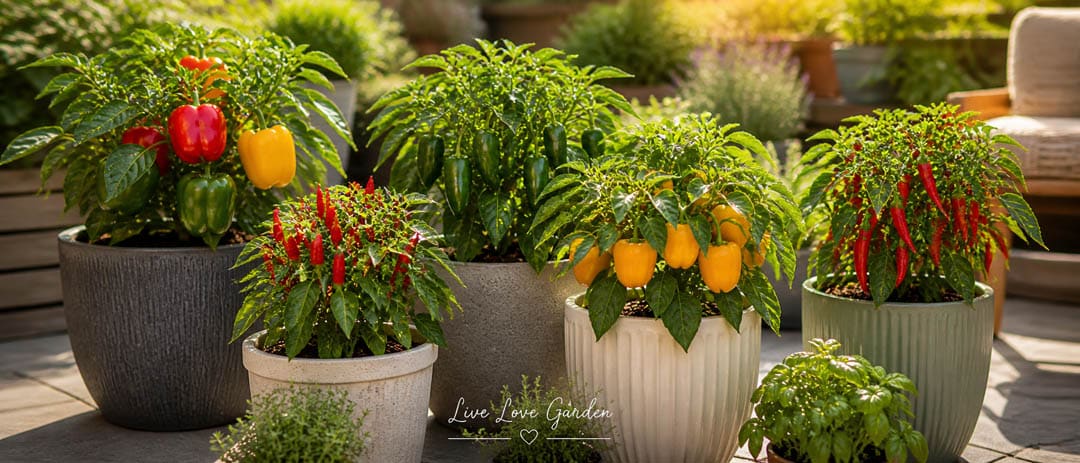
Plastic pots also come in endless sizes, colors, and decorative styles, making them especially useful when gardening spaces double as outdoor living areas.
A row of productive vegetables tucked into attractive containers can transform even a small patio into an edible retreat.
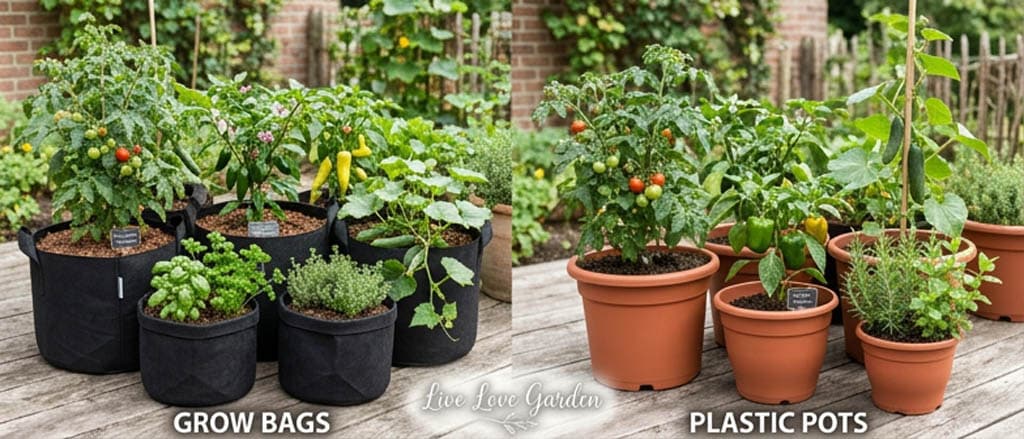
Grow Bags vs Plastic Pots: Quick Comparison
Grow Bags
- Excellent drainage
- Superior airflow
- Air-prunes roots
- Lightweight and foldable
- Cooler root temperatures
- Dry out faster
- Usually last 2 to 5 years
Plastic Pots
- Retain moisture longer
- Widely available
- Long lifespan possible
- Often cheaper initially
- Decorative options available
- Can overheat in summer
- More risk of root circling
Which Containers Drain Better?
Grow Bags and Drainage
When it comes to drainage, grow bags are difficult to beat.
The breathable sides allow excess water to escape easily, which greatly reduces the risk of soggy roots and root rot.
This makes grow bags especially forgiving for beginners who accidentally overwater.
In rainy climates or humid summers, that airflow can feel like a tiny rescue mission happening underground.
Roots stay oxygenated instead of drowning in compacted wet soil.
However, that same drainage comes with a tradeoff.
Grow bags dry out quickly.
In places with intense summer heat, especially Texas-style July afternoons where patios seem to radiate fire from below, daily watering may become necessary.
Plastic Pots and Moisture Retention
Plastic pots hold moisture much longer.
For gardeners in hot, dry climates, this can actually make plastic containers easier to manage.
Plants remain hydrated longer between watering sessions, which can be incredibly helpful for busy schedules.
But plastic containers can also trap too much moisture if drainage holes are inadequate or watering habits become excessive.
This is where many beginners accidentally create stressed roots without realizing it.
If you struggle with watering consistency, self-watering container systems can dramatically reduce stress during peak summer heat.
Root Health: Air Pruning vs Root Circling
This is where grow bags begin flexing their underground superpower.
What Is Air Pruning?
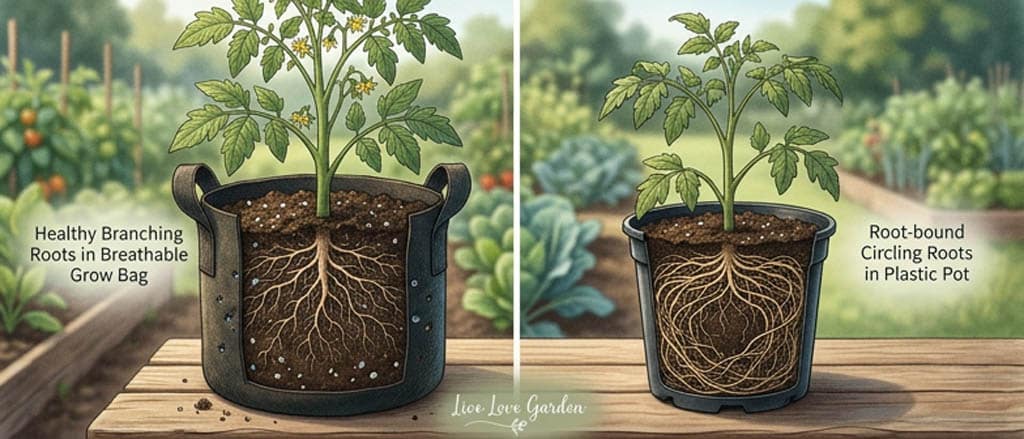
In a grow bag, roots stop growing when they reach the breathable fabric edge and encounter air exposure.
Instead of continuing in circles, the plant responds by producing more branching roots deeper inside the container.
The result is a dense web of healthier feeder roots.
Imagine roots branching like an underground forest network instead of endlessly pacing the perimeter like a bored goldfish in a bowl.
These healthier root systems often improve:
- nutrient uptake
- water absorption
- overall plant vigor
- long-term productivity
Root Circling in Plastic Pots
In plastic containers, roots eventually hit the hard wall and begin circling around the pot.
Over time, severe root circling can lead to root binding.
This may reduce growth, restrict nutrient uptake, and limit overall plant performance.
For seasonal vegetables, this usually is not catastrophic. But for larger crops or long-term container plants, healthier root structure becomes increasingly important.
Which Is Better for Hot Weather?
Summer changes everything in container gardening.
A mild spring container setup can suddenly become a tiny survival chamber once temperatures start climbing.
Grow Bags in Summer
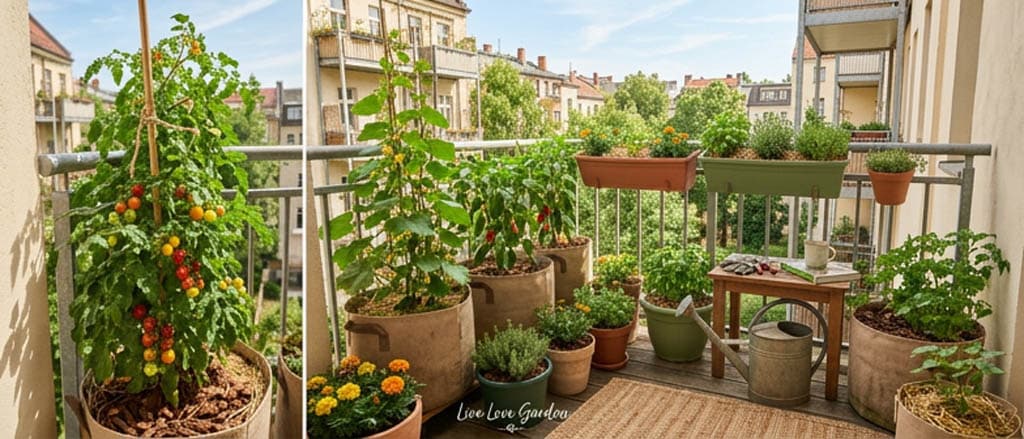
Grow bags naturally allow more airflow around roots, which can help prevent overheating.
This is especially helpful for crops like tomatoes and peppers that dislike scorching root zones.
However, the downside arrives quickly during heat waves.
Moisture evaporates rapidly through the fabric sides.
During peak summer, many gardeners find themselves watering grow bags daily or even twice daily.
Mulching becomes incredibly important.
Adding straw, shredded leaves, or compost mulch on top of the soil helps slow evaporation significantly.
If conserving water is a priority in your climate, you may enjoy these water-wise gardening strategies.
Plastic Pots in Summer
Plastic pots lose moisture more slowly, which can be a major advantage during extreme heat.
But dark plastic containers can absorb intense sunlight and overheat roots surprisingly fast.
Black nursery pots sitting on concrete patios can become little root saunas by mid-afternoon.
Using lighter-colored containers, rolling caddies, shade cloth, or strategic afternoon shade can help protect plants.
Regular feeding also matters because fast-growing vegetables quickly exhaust nutrients in confined soil spaces. This guide on fertilizing container vegetables for bigger harvests pairs perfectly with either container style.
Best Vegetables for Grow Bags
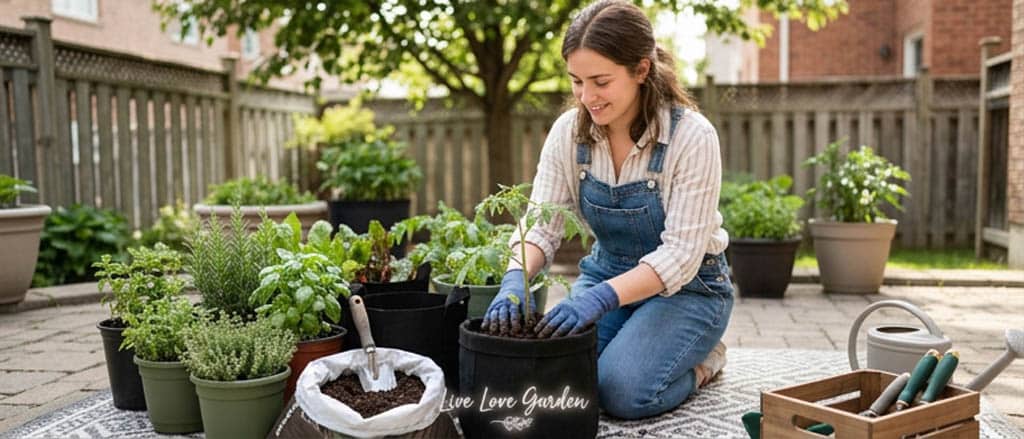
Some vegetables absolutely thrive in breathable fabric containers.
Excellent Crops for Grow Bags
- Tomatoes
- Peppers
- Potatoes
- Cucumbers
- Lettuce
- Herbs
Tomatoes
Tomatoes benefit enormously from strong root aeration and deep soil space.
Large grow bags are popular for indeterminate tomato varieties because they support aggressive summer root growth.
If you are growing tomatoes in containers, avoiding common container gardening mistakes can make a huge difference.
Peppers
Peppers often perform beautifully in grow bags because they enjoy warm soil with good drainage.
The breathable sides help reduce soggy conditions that peppers dislike.
Cucumbers
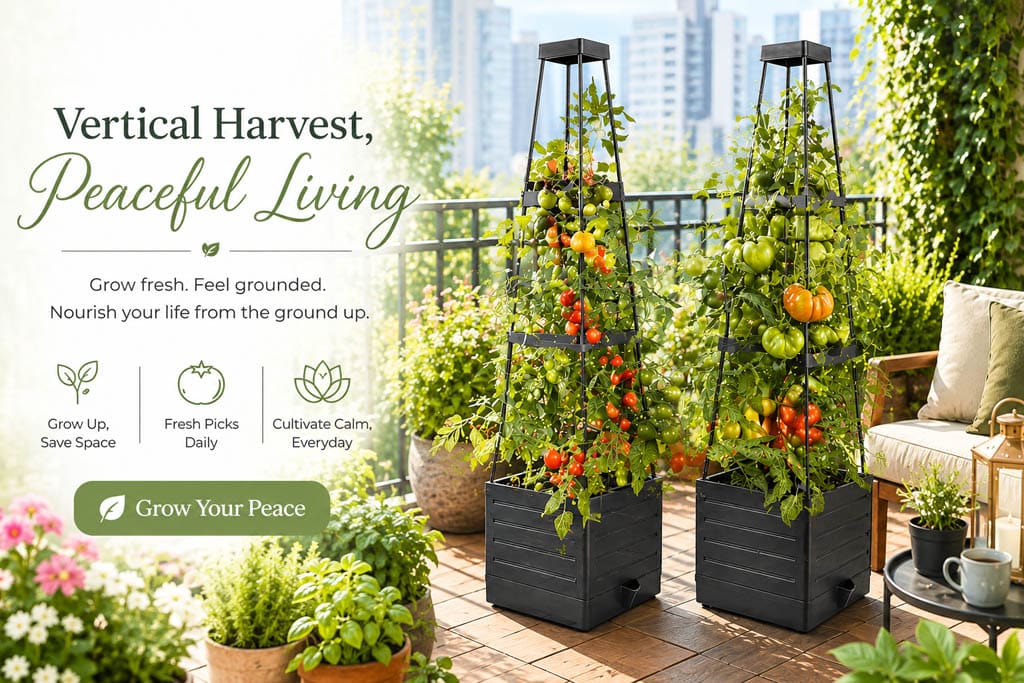
Cucumbers grow surprisingly well in large grow bags when paired with vertical supports.
If you love productive vertical gardens, this cucumber container guide and these vertical gardening ideas can help maximize harvests in tiny spaces.
Best Vegetables for Plastic Pots
Plastic pots still shine in many gardening situations.
Some plants appreciate the steadier moisture levels plastic containers provide.
Herbs
Many culinary herbs perform well in decorative patio containers, especially when gardeners want a tidy, polished appearance near outdoor seating spaces.
Plants like sage can become beautiful edible ornamentals in attractive pots. If herbs are your thing, growing sage at home offers both beauty and practicality.
Cilantro also performs well in containers with carefully managed moisture. You may enjoy this cilantro growing guide.
Dwarf Fruit Trees and Perennials
Plastic pots are often preferred for:
- dwarf citrus trees
- perennial herbs
- small berry plants
- decorative edible landscaping
Their sturdier structure and slower moisture loss can support longer-term plantings more easily.
For inspiration blending beauty with harvests, edible landscaping techniques create stunning productive spaces.
Which Containers Last Longer?
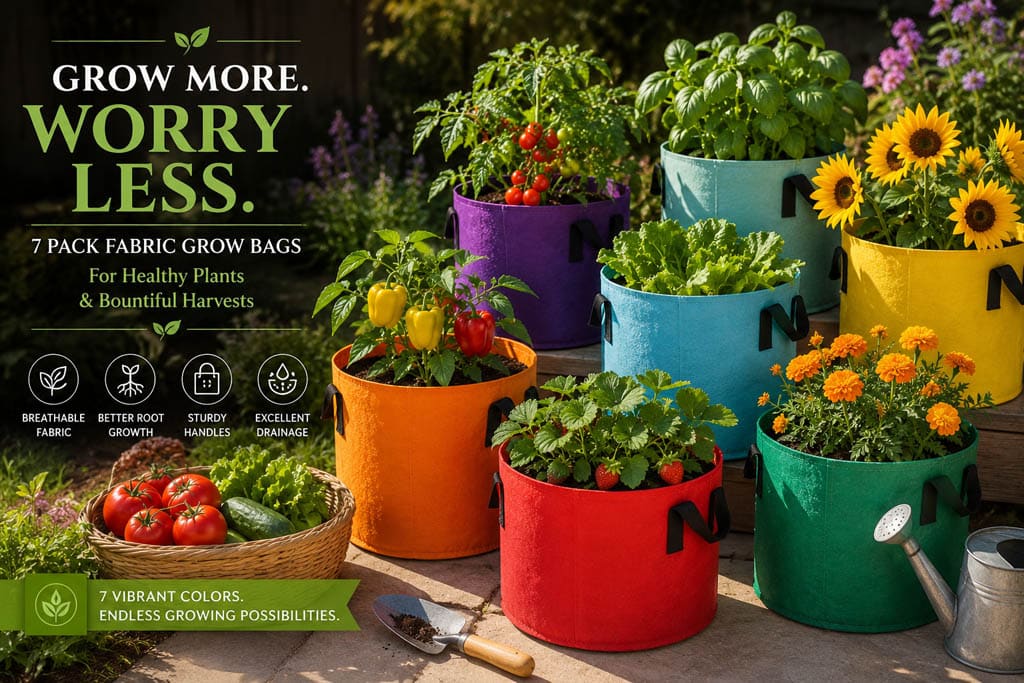
Grow Bags
Most grow bags eventually wear down from UV exposure, weather, and repeated watering cycles.
Lower-quality bags may weaken at the stitching after several seasons.
Generally, quality grow bags last:
- 2 to 5 years on average
- sometimes longer with careful storage
The good news is they fold flat for storage, which makes offseason organization wonderfully easy.
Plastic Pots
Plastic containers often last much longer, especially thicker resin or commercial-grade pots.
However, cheaper plastic can become brittle in intense sun exposure and crack during temperature swings.
Longevity often depends on climate and material quality more than the container category itself.
Are Grow Bags More Environmentally Friendly?
This conversation gets nuanced quickly.
Some grow bags use recycled materials and remain reusable for years. Others may eventually contribute to textile waste.
Plastic pots can last a very long time if reused responsibly, but broken low-quality plastics often end up discarded quickly.
Rather than searching for a perfect environmental answer, many gardeners simply focus on using containers thoughtfully for as long as possible.
Sustainable gardening usually looks less like perfection and more like gradual improvement.
If sustainability interests you, no-dig gardening principles and rewilding garden spaces offer inspiring approaches.
Which Is Better for Beginners?
This depends less on skill level and more on personality, climate, and routine.
Grow Bags May Be Better For:
- gardeners who overwater
- people growing tomatoes and peppers
- small-space balcony gardens
- gardeners wanting healthier root systems
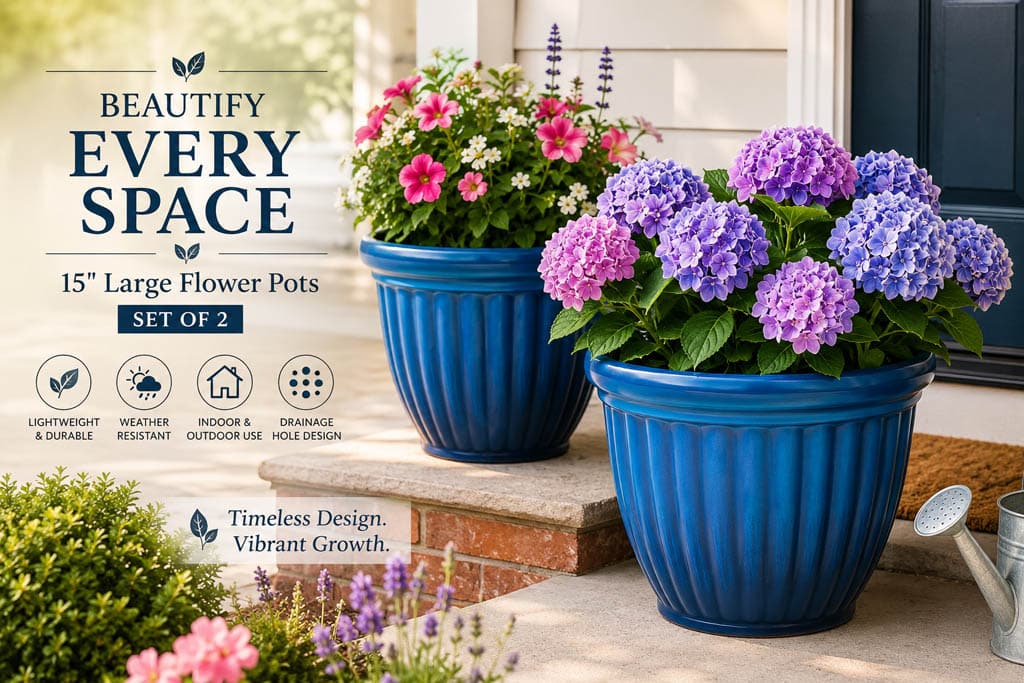
Plastic Pots May Be Better For:
- busy gardeners
- travelers
- very hot dry climates
- people wanting decorative patio aesthetics
Neither choice is wrong.
Container gardening is wonderfully experimental. Most gardeners eventually discover that different plants prefer different setups.
My Recommendation After Growing in Both
After growing vegetables in both grow bags and plastic containers, I genuinely do not think there is one universal winner.
Instead, most experienced gardeners slowly drift toward using both.
Grow bags are fantastic for heavy summer vegetables that need aggressive root growth and excellent drainage.
Plastic pots shine where moisture consistency and long-term structure matter more.
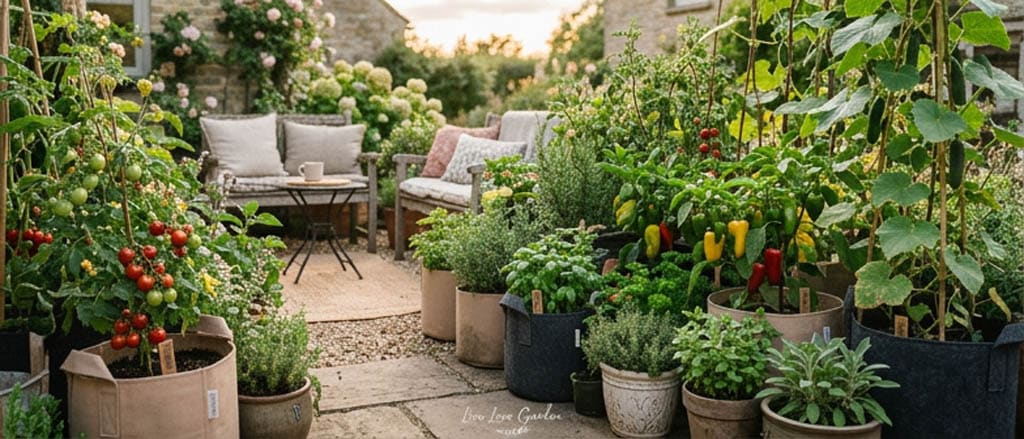
Personally, I love grow bags for tomatoes, peppers, and cucumbers during peak growing season. But I still reach for sturdy decorative pots when growing herbs near seating areas or building prettier edible patio displays.
Container gardening eventually becomes less about following rigid rules and more about learning how your environment behaves.
Sun exposure changes.
Patios trap heat.
Some summers become brutally dry.
Others become surprisingly wet.
Your containers become part of that living conversation.
Good gardeners are not people who never fail. They are people who keep observing.
Final Thoughts
The best container for vegetable gardening is ultimately the one that helps you grow confidently and consistently.
Grow bags offer incredible drainage, healthier root systems, and flexibility for productive vegetables.
Plastic pots provide moisture stability, decorative versatility, and dependable durability.
Both can grow beautiful harvests.
Both can teach valuable lessons.
And sometimes the smallest patio garden ends up producing the most surprising abundance of all.
The beautiful thing about container gardening is that experimentation remains affordable and approachable.
You do not need a perfect setup to begin.
You only need sunlight, curiosity, soil, and the willingness to keep learning one season at a time.
Frequently Asked Questions
Are grow bags better than plastic pots?
Grow bags are often better for drainage and root health, while plastic pots are better for moisture retention and lower watering frequency. The best option depends on your climate and gardening style.
Do grow bags dry out too fast?
They can dry out quickly during extreme summer heat, especially in sunny patios or hot climates. Mulch and consistent watering help significantly.
Can tomatoes grow well in grow bags?
Yes. Tomatoes often thrive in large grow bags because of improved airflow and healthier root systems.
What size grow bag is best for vegetables?
Most large vegetables like tomatoes and peppers perform best in 10 to 15 gallon grow bags.
Are plastic pots bad for roots?
Not necessarily. However, roots may eventually circle inside rigid containers if plants remain there too long.
Do grow bags prevent root rot?
Grow bags reduce the risk of root rot because they drain exceptionally well and allow more oxygen around roots.
Can you reuse grow bags?
Yes. Most quality grow bags can be reused for several growing seasons if cleaned and stored properly.
Which containers are best for hot climates?
Both can work well. Grow bags keep roots cooler through airflow, while plastic pots retain moisture longer. Many hot-climate gardeners successfully use both depending on the crop.