Edible Landscaping: Where Beauty Meets Harvest in Your Garden
What if your flower bed could feed you?
Imagine stepping outside into a garden that feels like a living painting—lush greens layered with bursts of color, the soft hum of pollinators in the air, and the subtle fragrance of herbs brushing against your fingertips. Sunlight filters through leaves, warming ripening fruit, while a gentle breeze carries the scent of basil and soil. This isn’t just a place to admire… it’s a place that nourishes you.
This is the magic of edible landscaping—a design approach where beauty and harvest grow side by side, weaving together form and function in the most natural way possible.
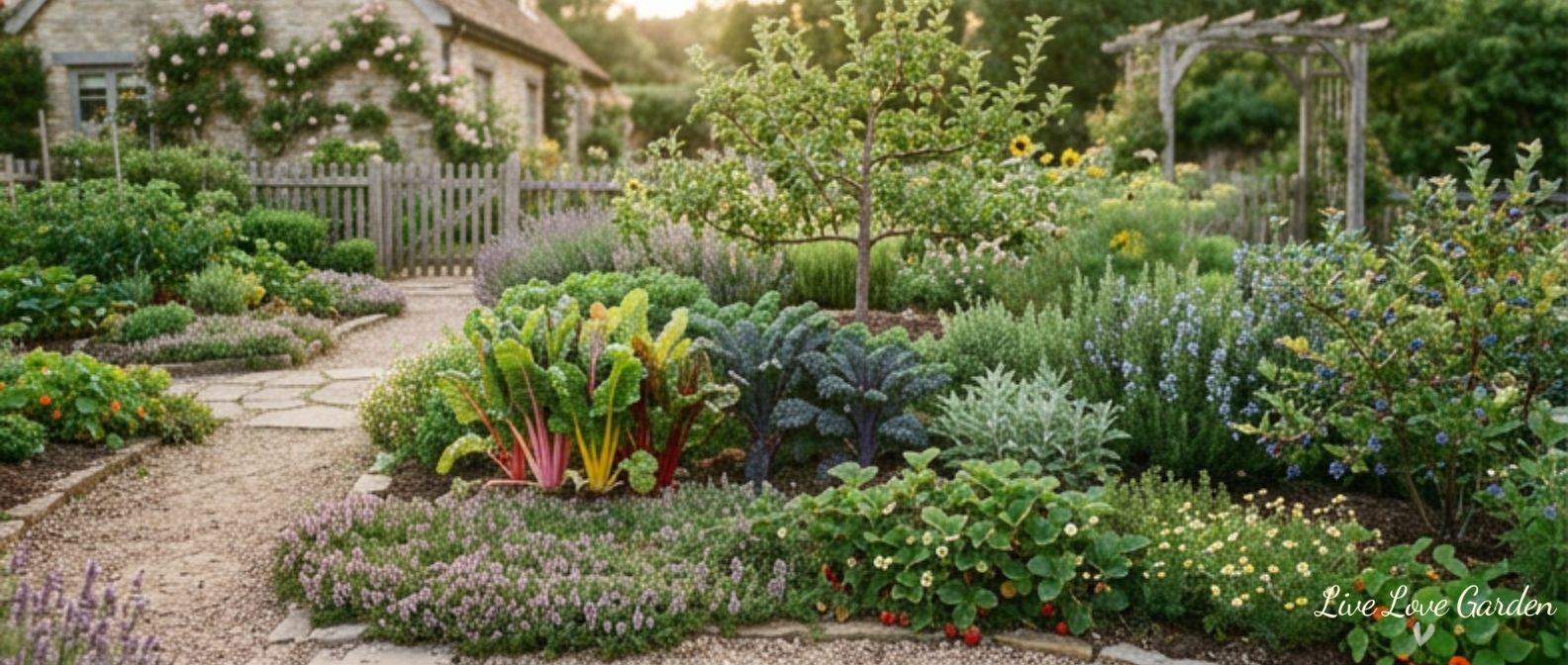
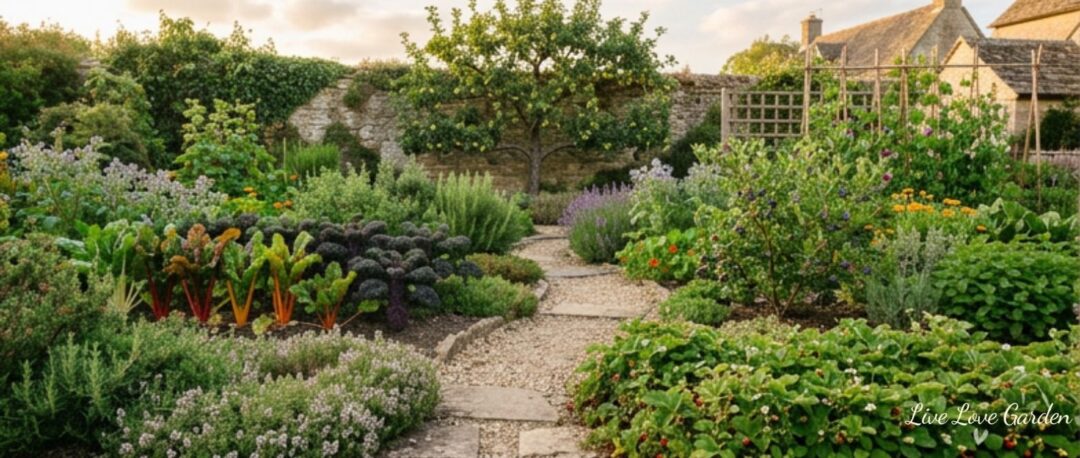
Instead of separating your yard into “pretty” and “practical,” edible landscaping invites you to blend the two. Strawberries become groundcover. Kale becomes a focal point. Herbs soften pathways with both texture and scent. Suddenly, your garden isn’t just something you look at—it’s something you experience.
Often called foodscaping, this movement goes beyond trend status. It’s a lifestyle shift rooted in intention—one that embraces sustainability, creativity, and a deeper connection to the rhythms of nature. It pairs beautifully with mindful approaches like embracing natural imperfection in your garden design, where beauty is found in growth, change, and seasonality.
A garden can be both a feast for the eyes and a source of nourishment—if you design it that way.
Whether you’re dreaming of a lush front yard vegetable garden or simply looking for fresh foodscaping ideas to enhance your space, this guide will help you reimagine what your garden can truly become. If you’re just beginning, you might find inspiration in starting a garden from the ground up, where every seed planted becomes part of a larger story.
What Is Edible Landscaping? (And Why It’s Taking Over Gardens)
At its heart, edible landscaping is the art of designing a garden that is just as beautiful as it is productive. It blends ornamental plants with edible ones—fruits, vegetables, herbs, and flowers—into a cohesive, visually stunning landscape.
Unlike traditional vegetable gardens, which are often tucked away in neat rows and separate beds, edible garden design integrates food directly into the landscape. It’s less about straight lines and more about flow, texture, and seasonal interest—similar to the layered approach found in growing upward and maximizing space creatively.
Think of it this way:
- Instead of a hedge, you plant blueberries.
- Instead of ornamental flowers, you grow calendula and nasturtiums.
- Instead of plain groundcover, you let strawberries spill and spread.
The result? A garden that feels intentional, abundant, and alive.
Why Edible Landscaping Is Trending
This shift toward food-producing landscapes didn’t happen by accident—it’s rooted in a growing desire for gardens that offer more while staying in harmony with the natural world.
- Rising food costs: More people are turning to their gardens as a source of fresh, reliable food.
- Sustainability mindset: Homegrown produce reduces waste, packaging, and environmental impact, often paired with practices like building healthy soil naturally.
- Aesthetic-first gardening culture: Platforms like Pinterest have inspired gardeners to prioritize beauty just as much as function.
The Benefits of Edible Landscaping
Beyond its visual appeal, edible landscaping offers a range of meaningful benefits that ripple through your entire garden ecosystem.
- Beauty + function: Every plant serves a purpose—either feeding you, supporting pollinators, or enhancing the design.
- Space efficiency: Perfect for smaller yards where every inch matters.
- Increased biodiversity: A diverse mix of plants invites beneficial insects, improves soil health, and supports a thriving garden life cycle—especially when paired with thoughtful planting like creating a pollinator-friendly space.
It’s not just gardening—it’s a reimagining of what your outdoor space can be. A place where nourishment, creativity, and nature intertwine effortlessly, growing into something both beautiful and sustaining.
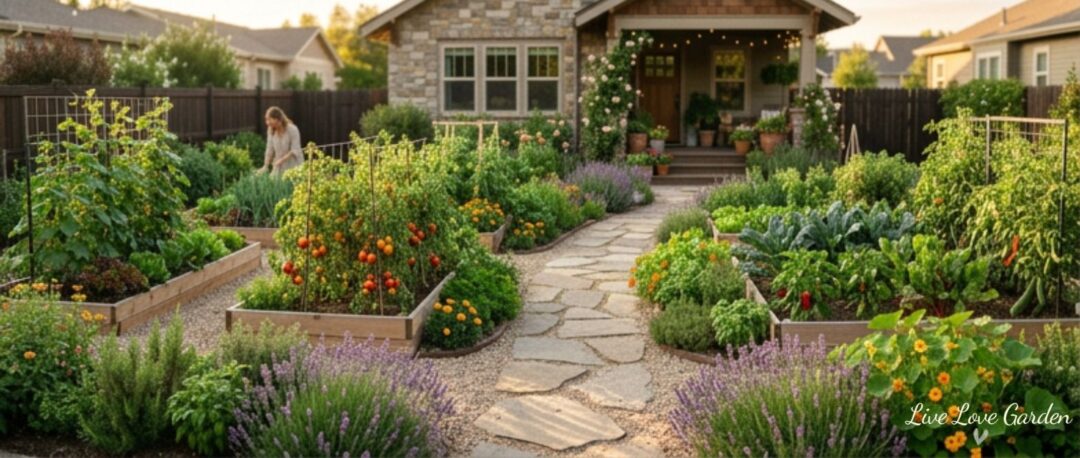
The Core Principles of Edible Garden Design
Creating a thriving edible garden design isn’t just about choosing what to grow—it’s about how everything comes together. The most beautiful edible landscapes feel effortless, but beneath that natural flow is thoughtful structure, layering, and intention.
When you begin to see your garden as both a canvas and a kitchen, something shifts. Each plant becomes more than a crop—it becomes part of a living composition.
Think Like a Landscape Designer
One of the biggest transformations in edible landscaping happens when you stop thinking like a traditional gardener and start thinking like a designer.
Instead of planting in rows, you begin to build in layers—just as nature does.
- Trees: Fruit trees like fig, apple, or citrus create height and structure.
- Shrubs: Blueberries, rosemary, and currants fill the mid-layer beautifully.
- Ground cover: Strawberries, thyme, and creeping herbs soften edges and pathways.
This layered approach not only maximizes space but creates a lush, immersive feel—similar to the harmony found in Mediterranean-inspired garden design, where every level has purpose and presence.
Color also plays a powerful role. Think beyond green—deep purples of kale, bright reds of chard stems, silvery sage leaves, and golden blooms of calendula. Planning for seasonal color ensures your garden evolves beautifully throughout the year.
And don’t forget focal points. A dwarf fruit tree, an herb spiral, or a raised bed with symmetrical planting can anchor your space and give the eye somewhere to rest.
Design transforms a garden from something you grow into something you experience.
Choose Plants That Are Both Beautiful and Edible
In edible garden design, every plant earns its place by doing double duty—offering both visual appeal and something you can harvest.
This is where foodscaping ideas truly come to life.
- Edible plants with ornamental value: Rainbow chard, purple basil, and artichokes bring dramatic color and form.
- Texture: Feathery dill, broad squash leaves, and delicate lettuce create visual movement.
- Height variation: Tall sunflowers or trellised beans paired with low-growing herbs add dimension.
When thoughtfully combined, these elements create contrast that feels vibrant and alive—never flat or monotonous. Even a simple herb bed can feel abundant and layered when textures and heights are intentionally mixed.
If you’re looking for inspiration on incorporating herbs that are both useful and visually striking, explore ideas like growing aromatic herbs that enhance both garden and home.
Design for Year-Round Visual Appeal
A truly successful edible landscape doesn’t fade with the seasons—it evolves.
By planning for year-round interest, your garden remains beautiful even when certain crops are resting.
- Evergreen herbs: Rosemary, thyme, and sage provide structure and color even in cooler months.
- Seasonal rotation: Swap crops as the seasons change to maintain fullness and productivity.
- Bloom + harvest overlap: Combine flowering plants with edible crops so something is always happening.
This rhythm of planting and harvesting creates a garden that feels alive in every season. It also aligns beautifully with natural cycles, especially if you enjoy approaches like planting in harmony with lunar phases, where timing becomes part of the design itself.
As the seasons shift, your garden tells a continuous story—one of growth, rest, renewal, and abundance.
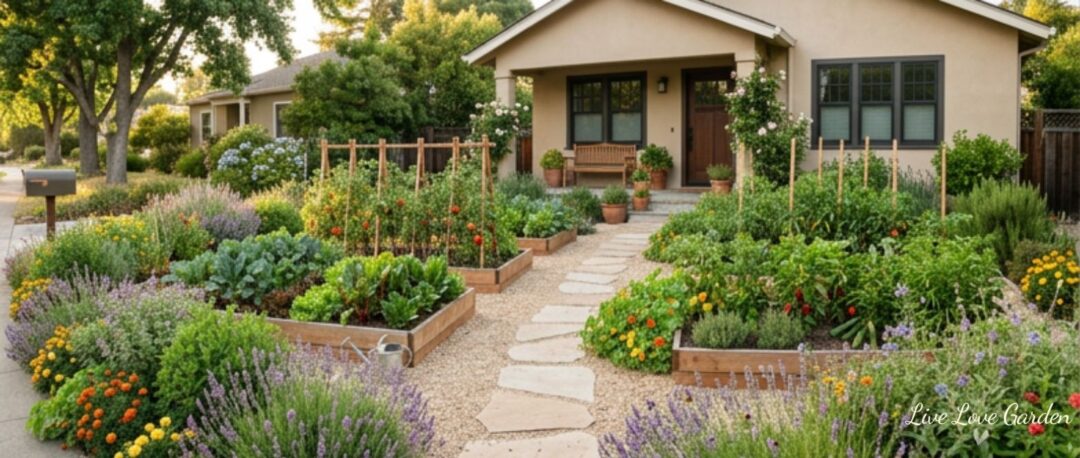
How to Create a Stunning Front Yard Vegetable Garden
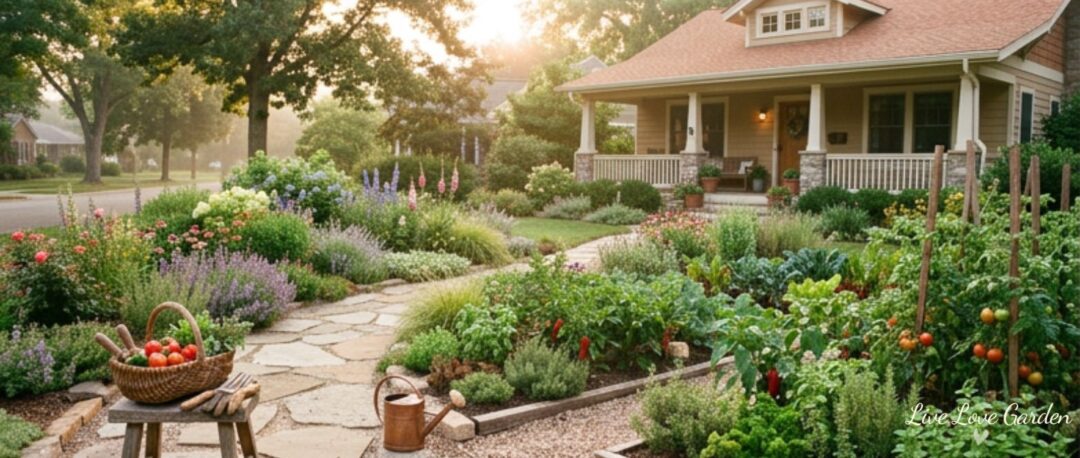
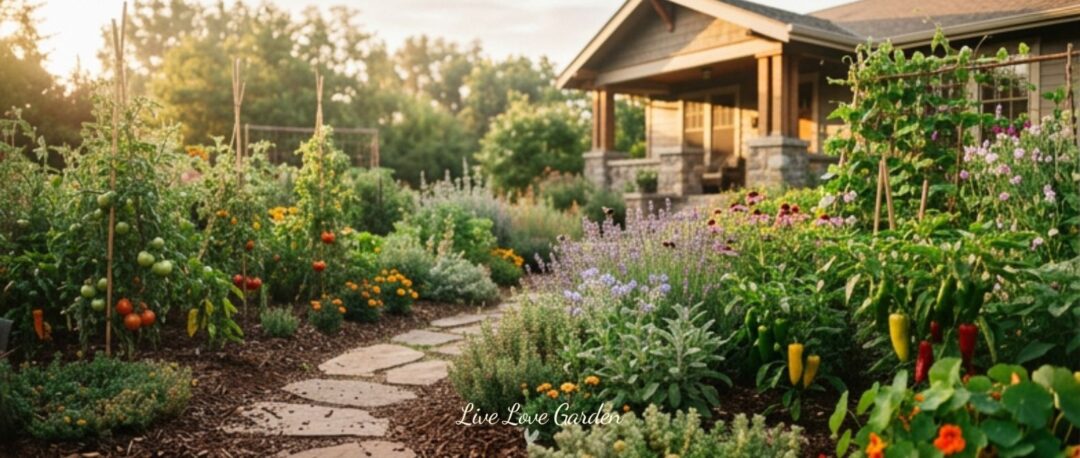
A front yard vegetable garden is where edible landscaping truly shines—transforming the most visible part of your home into something both welcoming and wildly productive.
Instead of a flat stretch of grass, imagine layers of color, texture, and life greeting you at the curb. A space that feels intentional, abundant, and just a little unexpected—in the best way.
Rethinking the Traditional Lawn
The classic lawn has long been the default, but it’s no longer the only option. Replacing grass with edible beds allows you to turn unused space into something vibrant and nourishing.
- Swap grass for garden beds: Raised or in-ground beds can be shaped to flow with your landscape.
- Create soft edges: Use herbs and groundcovers to blend transitions naturally.
- Reduce maintenance: Less mowing, more harvesting.
Of course, if you live in a neighborhood with HOA guidelines, balance is key. Keep designs clean, pathways defined, and plantings intentional to maintain strong curb appeal.
Blending edible plants with structured elements—like stone borders or tidy beds—can make your garden feel polished while still deeply rooted in nature. You can even incorporate ideas from water-wise hardscaping techniques to enhance both function and beauty.
Your front yard doesn’t have to choose between looking beautiful and being useful—it can be both, effortlessly.
Layout Ideas That Look Intentional (Not Messy)
The difference between a front yard that feels abundant and one that feels chaotic often comes down to layout. A thoughtful design brings structure to even the most lush plantings.
- Raised beds vs. in-ground: Raised beds offer clean lines and control, while in-ground planting creates a softer, more natural look.
- Geometric patterns: Circles, grids, and symmetrical layouts give your garden a sense of order.
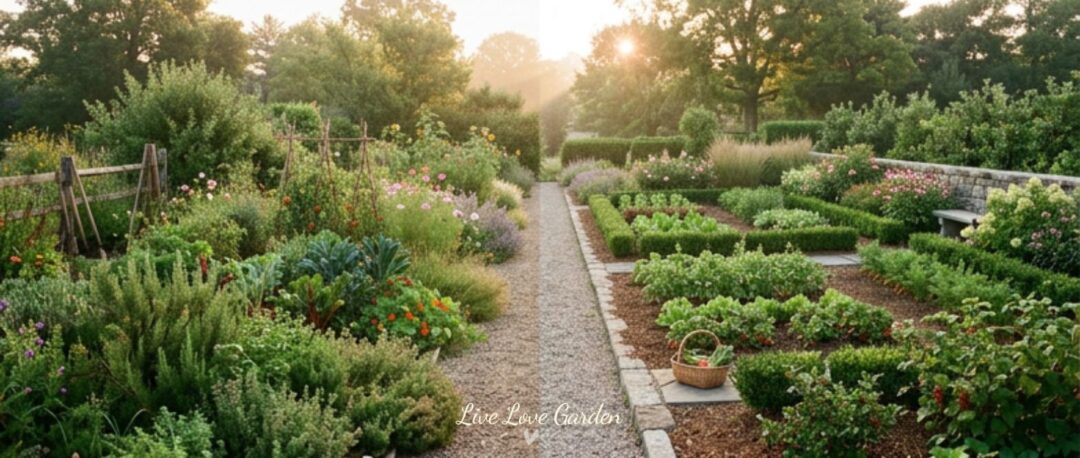
- Defined pathways: Gravel, stepping stones, or mulch paths guide movement and create visual flow.
- Borders: Frame beds with herbs or flowers to soften edges and unify the design.
If you’re working with limited space, layering upward can make a dramatic difference. Trellises, arches, and vertical structures not only save space but add visual interest—much like the techniques explored in creative vertical growing methods.
The goal is to create a garden that feels designed, not accidental—where every path, plant, and bed has a sense of purpose.
Best Plants for Front Yard Edible Landscaping
Choosing the right plants is what brings your front yard vegetable garden to life. Focus on varieties that are as attractive as they are productive.
- Compact, attractive crops: Lettuce, kale, peppers, and dwarf tomatoes offer color and structure without overwhelming the space.
- Low-maintenance edibles: Herbs like thyme, oregano, and chives thrive with minimal care.
- Pollinator-friendly options: Edible flowers and herbs help attract beneficial insects.
Pollinators play a vital role in keeping your garden thriving. Incorporating flowering edibles alongside your crops can support bees, butterflies, and other helpful visitors—especially when inspired by guides like choosing pollinator-friendly plants for small spaces.
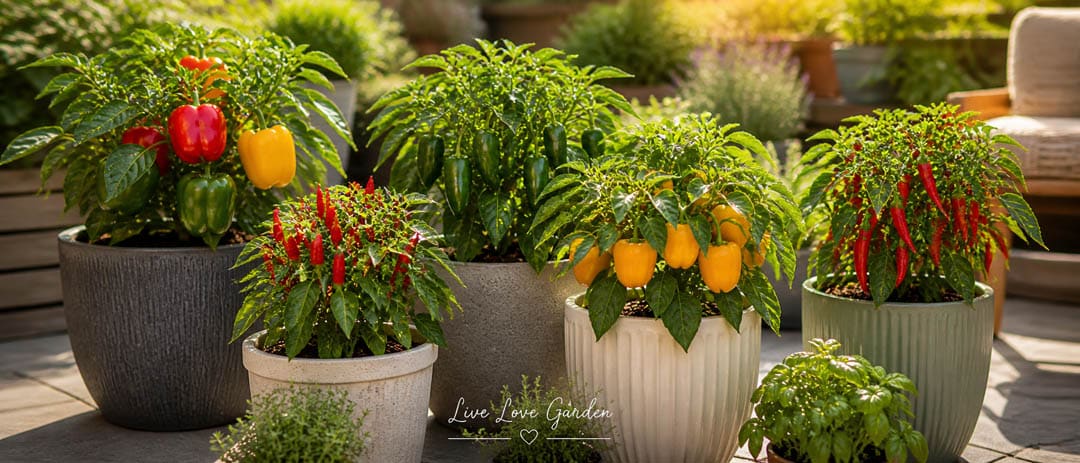
You can also weave in productive favorites like peppers or melons for both beauty and harvest. If you’re looking to expand your edible options, consider experimenting with crops like homegrown peppers or even vining fruits that add lush texture to your landscape.
With the right combination of structure, plant selection, and thoughtful design, your front yard becomes more than just an entrance—it becomes a living, edible welcome.
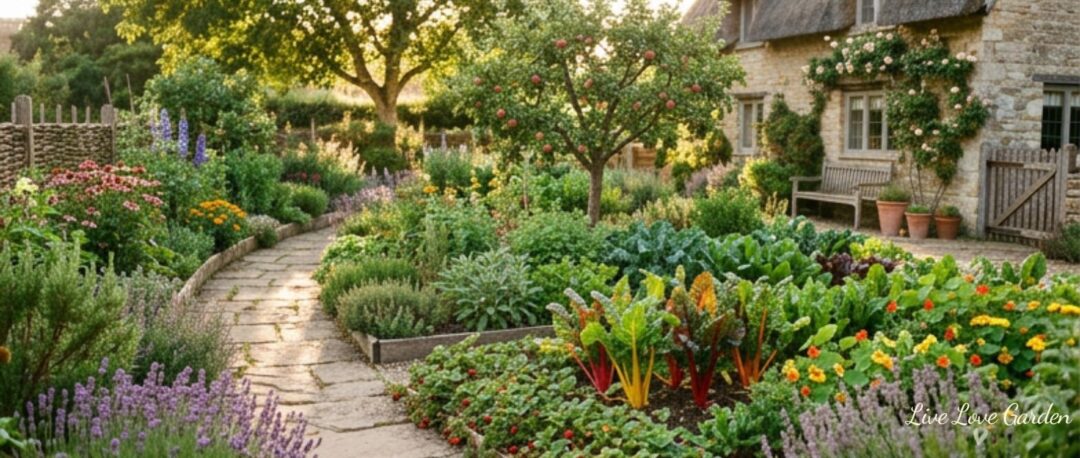
Best Plants for Edible Landscaping (Beauty + Function)
The heart of edible landscaping lies in choosing plants that do more than just grow—they perform. In a well-balanced edible garden design, every plant contributes to the overall beauty while offering something you can harvest, taste, or use.
Think of your garden as a layered tapestry—colors shifting with the seasons, textures playing off one another, and each plant adding its own quiet magic.
Fruiting Plants That Double as Ornamentals
Fruiting plants bring a sense of abundance to the garden, offering both visual richness and sweet rewards.
- Strawberries (ground cover): Their low, spreading habit softens edges while producing vibrant red fruit tucked beneath green leaves.
- Blueberries (shrub appeal): With delicate spring flowers, summer berries, and fiery fall foliage, they provide year-round interest.
- Dwarf fruit trees: Compact apple, peach, or citrus trees create structure while offering seasonal harvests.
These plants blur the line between ornamental and edible, making them perfect anchors in your landscape. They also pair beautifully with native plantings, like those found in regionally adapted flowering gardens, creating a space that feels both natural and productive.
Herbs That Add Texture and Fragrance
Herbs are the quiet connectors of edible landscaping—filling gaps, softening borders, and releasing fragrance with every brush of your hand.
- Lavender: Silvery foliage and purple blooms bring softness and pollinator appeal.
- Rosemary: Evergreen structure with a bold, sculptural presence.
- Thyme: A creeping herb perfect for pathways and ground cover.
- Sage: Velvety leaves in soft gray-green tones add depth and contrast.
These plants don’t just look beautiful—they invite interaction. Planted along walkways or near seating areas, they turn your garden into a sensory experience.
Many herbs also offer wellness benefits beyond the garden. For example, learning about growing herbs for both flavor and health can deepen your connection to what you cultivate.
Edible Flowers That Elevate Your Garden Aesthetic
Edible flowers are where your garden begins to feel truly magical—softening edges, attracting pollinators, and adding bursts of color that feel almost effortless.
- Nasturtiums: Bright, trailing blooms that spill beautifully from beds and containers.
- Calendula: Cheerful golden flowers that glow in the sunlight.
- Borage: Star-shaped blue blooms that bees absolutely adore.
These blooms aren’t just decorative—they support pollinators and can be used in teas, salads, and garnishes. Their presence transforms your garden into a lively, buzzing ecosystem.
If you’re looking to expand your flowering palette, consider blending in pollinator favorites like vibrant, nectar-rich blooms that complement edible varieties while supporting biodiversity.
Leafy Greens That Look as Good as They Taste
Leafy greens are often overlooked in ornamental design—but in edible landscaping, they become stars.
- Rainbow chard: Bright stems in red, yellow, and pink create striking visual contrast.
- Purple kale: Deep, ruffled leaves add drama and texture.
- Lettuce mixes: Soft, layered greens that bring movement and freshness to beds.
These plants offer a lush, full look that keeps your garden feeling alive and abundant. Their colors shift subtly with the light, creating a dynamic landscape that changes throughout the day.
They’re also perfect for continuous harvesting, especially when paired with seasonal planting strategies like those found in planning your edible garden for summer abundance.
When you combine these plant categories thoughtfully, your garden becomes more than a collection of crops—it becomes a living, edible composition filled with color, texture, and purpose.
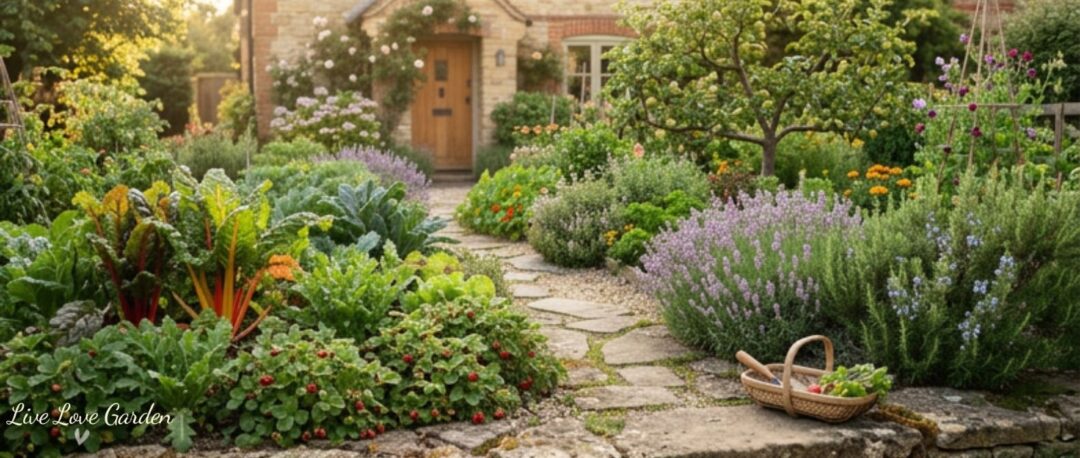
Foodscaping Ideas to Inspire Your Garden
If you’re looking for creative foodscaping ideas, this is where your garden begins to feel like art. These design approaches blend beauty and harvest so seamlessly that it’s hard to tell where the landscape ends and the pantry begins.
Think flowing edges, vertical layers, and soft bursts of color—each element intentional, yet natural enough to feel like it simply grew that way.
Edible Borders and Pathways
One of the simplest ways to elevate your edible landscape is by transforming edges and walkways into productive, living borders.
- Herbs lining walkways: Plant thyme, oregano, or creeping rosemary along paths where their fragrance is released with every step.
- Strawberry edges: Let strawberries spill over borders, softening hard lines while offering sweet, hidden harvests.
These living edges create a sense of movement and invitation, guiding you through the garden in a way that feels organic and immersive. Even the smallest pathway becomes an experience—one that engages scent, texture, and taste all at once.
For an eco-friendly alternative to traditional lawns, you might also explore options like
low-growing, pollinator-friendly groundcovers that blend beautifully with edible borders.
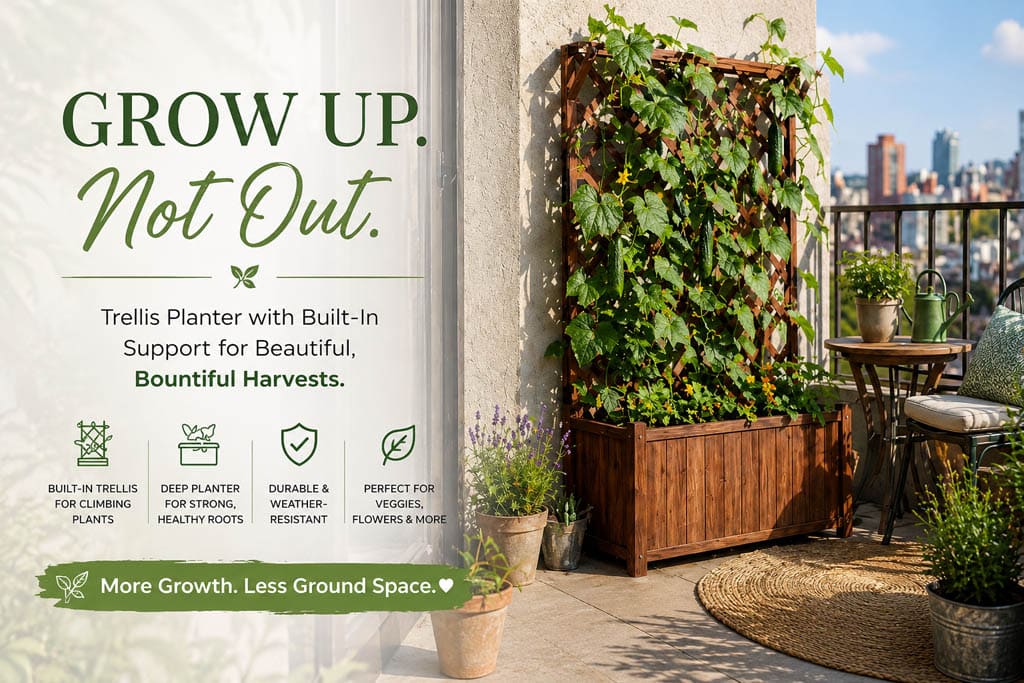
Vertical Edible Gardens
When space is limited—or when you simply want to add visual drama—vertical gardening opens up a whole new dimension of possibility.
- Trellises with beans: Climbing vines create living walls of green.
- Cucumbers on arches: Add structure while keeping fruit clean and easy to harvest.
- Grapes on pergolas: Provide shade, beauty, and seasonal abundance.
Vertical elements draw the eye upward, adding height and depth to your garden design. They also create microclimates—cool, shaded pockets beneath leafy canopies where other plants can thrive.
If you’re new to growing upward, you can explore practical setups like self-watering container systems that pair beautifully with vertical structures for low-maintenance success.
Container Foodscaping for Small Spaces
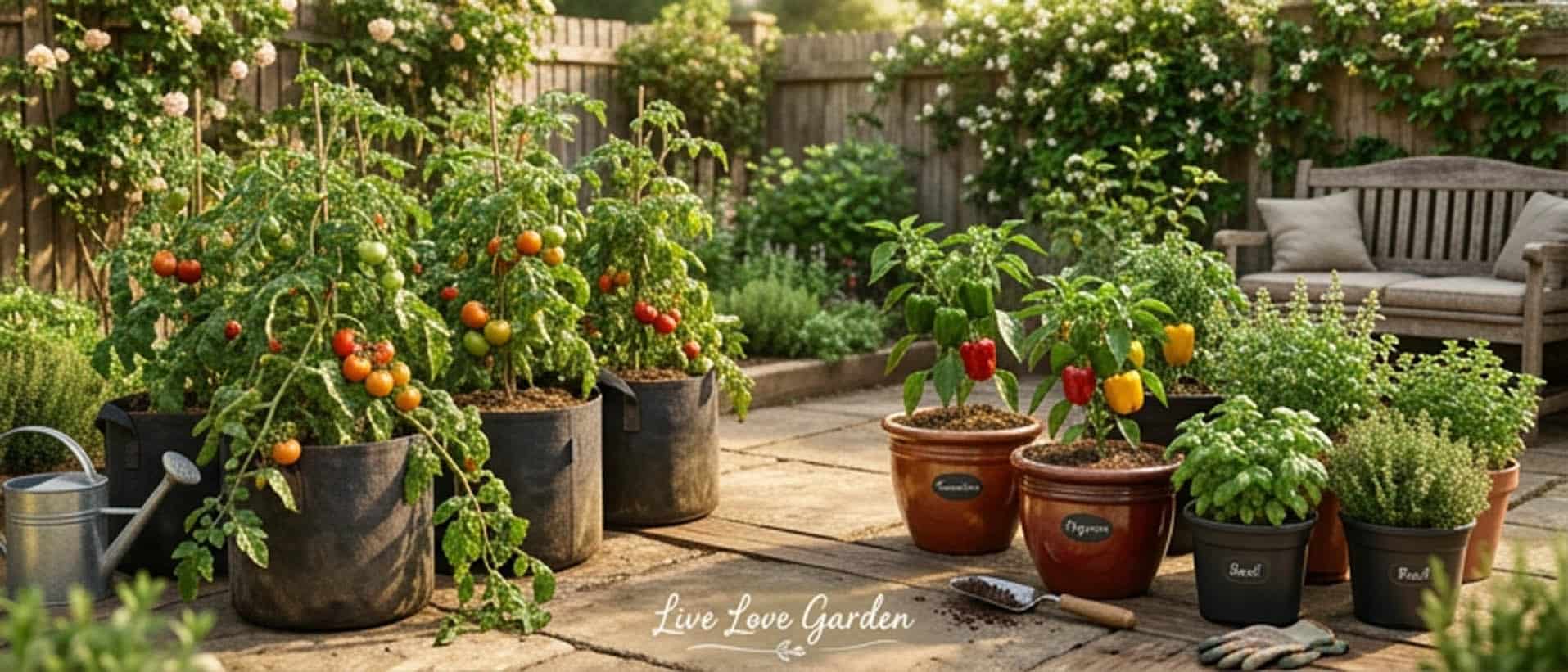
No yard? No problem. Some of the most charming foodscaping ideas come to life in containers—on patios, balconies, and even small entryways.
- Layered pots: Combine tall, medium, and trailing plants in a single container for a full, lush look.
- Portable gardens: Move plants to follow sunlight or refresh your layout.
- Decorative containers: Use ceramic, wood, or metal to complement your home’s aesthetic.
Container foodscaping allows you to curate your garden like a collection—each pot a miniature ecosystem, carefully designed and easy to maintain.
For more ideas on maximizing small spaces, you might find inspiration in growing impactful plants in compact containers, where even a single pot can support life and beauty.
Mixing Flowers and Vegetables Seamlessly
The true essence of foodscaping lies in blending flowers and vegetables so naturally that they feel inseparable.
- Companion planting: Pair plants that support each other’s growth and health.
- Color coordination: Match blooms with leafy greens for a cohesive palette.
- Natural layering: Let flowers weave between vegetables for a soft, flowing look.
This approach doesn’t just enhance aesthetics—it strengthens your garden’s ecosystem. Flowers attract pollinators and beneficial insects, while vegetables provide structure and abundance.
Encouraging beneficial insects is key to a thriving edible landscape. You can deepen this balance by learning how nature’s tiny helpers protect your plants, creating a garden that works in harmony rather than against itself.
When flowers and food grow together, your garden becomes something more than productive—it becomes alive with movement, color, and quiet resilience.
Seasonal Planning for an Edible Landscape
A thriving edible landscaping design doesn’t stay static—it shifts, breathes, and evolves with the seasons. Planning your garden around these natural rhythms ensures that something is always growing, blooming, or ready to harvest.
When you align your garden with the seasons, you’re not just planting—you’re participating in a living cycle of renewal and abundance.
Spring Planting Strategy
Spring is where everything begins again. The soil warms, seeds awaken, and your garden starts to stretch toward the sun.
- Focus on cool-season crops: Lettuce, spinach, peas, and herbs thrive in early temperatures.
- Prepare your soil: Add compost and organic matter to build a strong foundation.
- Layer in early color: Edible flowers like calendula and violas bring instant vibrancy.
This is also the perfect time to map out your planting plan for the months ahead. A thoughtful start sets the tone for the entire growing season.
If you need a step-by-step approach, you can follow a seasonal roadmap like planning your spring garden with intention, ensuring nothing is missed as the season unfolds.
Summer Abundance
Summer is when your edible landscape reaches its fullest expression—lush, colorful, and overflowing with life.
- Warm-season crops thrive: Tomatoes, peppers, cucumbers, and squash take center stage.
- Maintain moisture: Mulching and consistent watering help plants withstand heat.
- Harvest frequently: Regular picking encourages continued production.
The garden becomes a place of daily interaction—harvesting sun-warmed vegetables, brushing past fragrant herbs, and watching pollinators move from bloom to bloom.
To make the most of this season, explore planting combinations that maximize yield and beauty, like those found in summer-focused edible garden planning.
Fall Transitions
As temperatures begin to cool, your garden shifts once again—offering a second wave of growth and a quieter kind of beauty.
- Replant with cool-season crops: Kale, chard, carrots, and beets thrive in fall conditions.
- Refresh your beds: Remove spent plants and enrich the soil for continued productivity.
- Layer in autumn color: Deep greens, purples, and gold tones create a rich seasonal palette.
Fall is also a time to slow down and observe. The pace changes, the light softens, and your garden begins preparing for rest.
Supporting soil health during this transition is essential. Simple practices like adding natural compost materials can keep your garden thriving well into the cooler months.
Winter Structure (Evergreens, Herbs, Design Elements)
Even in winter, your edible landscape doesn’t disappear—it transforms.
- Evergreen herbs: Rosemary, sage, and thyme provide structure and subtle color.
- Design elements: Trellises, raised beds, and pathways become more visible, adding architectural interest.
- Protect and preserve: Mulch and cover crops help safeguard soil through colder weather.
This is the season where form takes center stage. Without the fullness of summer growth, your garden’s design becomes more apparent—its lines, shapes, and quiet strength.
Winter also offers a chance to reflect and reset. By incorporating sustainable practices like building nutrient-rich compost at home, you prepare your garden for another cycle of growth.
Each season brings its own kind of beauty—and when planned thoughtfully, your edible landscape becomes a year-round expression of life, nourishment, and renewal.
Low-Maintenance Tips for a Thriving Edible Landscape
A well-planned edible garden design should feel abundant—not overwhelming. The goal isn’t to spend every spare moment maintaining your garden, but to create a system that works with nature, not against it.
With a few thoughtful strategies, your edible landscape can become largely self-sustaining—leaving you more time to enjoy the harvest rather than chase it.
Mulching for Beauty + Moisture Retention
Mulch is one of the simplest and most powerful tools in your garden. It acts like a protective blanket—locking in moisture, regulating soil temperature, and reducing weeds.
- Organic mulch: Straw, shredded leaves, or bark improve soil health as they break down.
- Visual appeal: A clean layer of mulch instantly makes beds look polished and intentional.
- Water conservation: Helps retain moisture during hot months.
Healthy soil is the foundation of any thriving garden. According to the USDA Natural Resources Conservation Service, improving soil structure and organic matter supports long-term plant resilience and productivity.
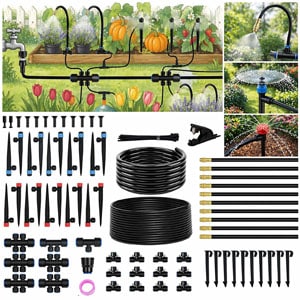
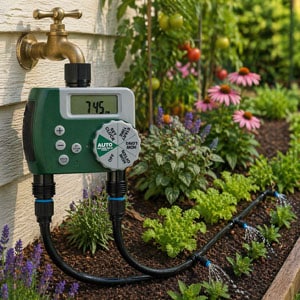
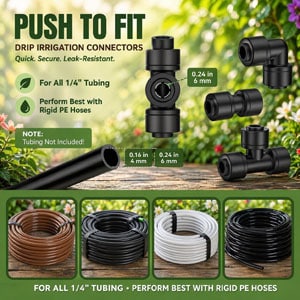
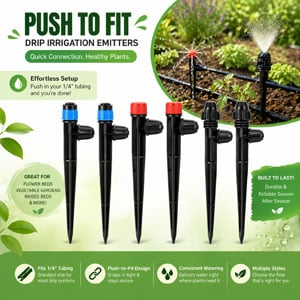
Drip Irrigation Systems
Watering can quickly become one of the most time-consuming parts of gardening—but it doesn’t have to be.
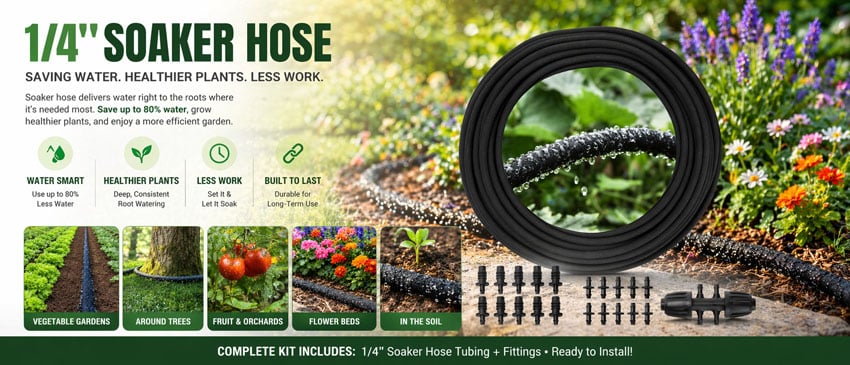
- Consistent watering: Drip systems deliver water directly to plant roots.
- Efficiency: Reduces water waste and evaporation.
- Automation: Timers allow your garden to water itself.
This kind of system creates a steady, reliable rhythm—keeping your plants hydrated without daily effort.
Companion Planting for Pest Control
Nature has its own way of maintaining balance, and companion planting taps into that quiet intelligence.
- Plant pairings: Certain plants naturally deter pests or support each other’s growth.
- Diversity: A mix of species reduces the chance of large-scale infestations.
- Pollinator support: Flowers attract beneficial insects that help protect your crops.
By designing your garden with these relationships in mind, you create a system where plants support one another—reducing the need for intervention.
You can further strengthen this natural balance by encouraging beneficial insects, like those highlighted in natural pest control methods in the garden, which help keep unwanted visitors in check.
Choosing Perennials vs Annuals
One of the easiest ways to simplify your edible landscape is by choosing the right mix of plants.
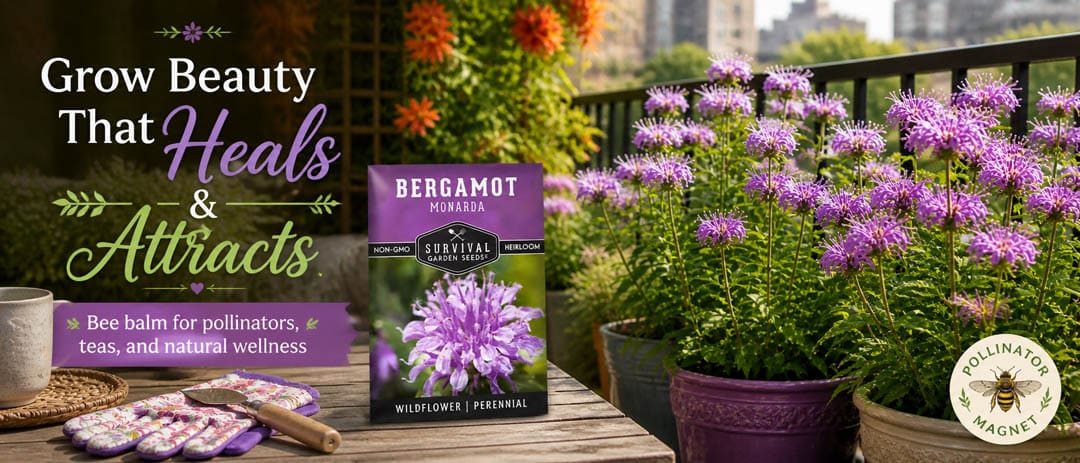
- Perennials: Plants like herbs, berries, and certain vegetables return year after year with minimal effort.
- Annuals: Fast-growing crops like tomatoes and lettuce provide quick harvests but need replanting each season.
- Balance: Combining both creates a garden that is stable yet flexible.
Perennials act as the backbone of your garden—quietly returning each season—while annuals bring bursts of productivity and variety.
When you strike the right balance, your edible garden design becomes less about constant upkeep and more about gentle guidance—allowing nature to do much of the work for you.
Designing for Pollinators and Biodiversity
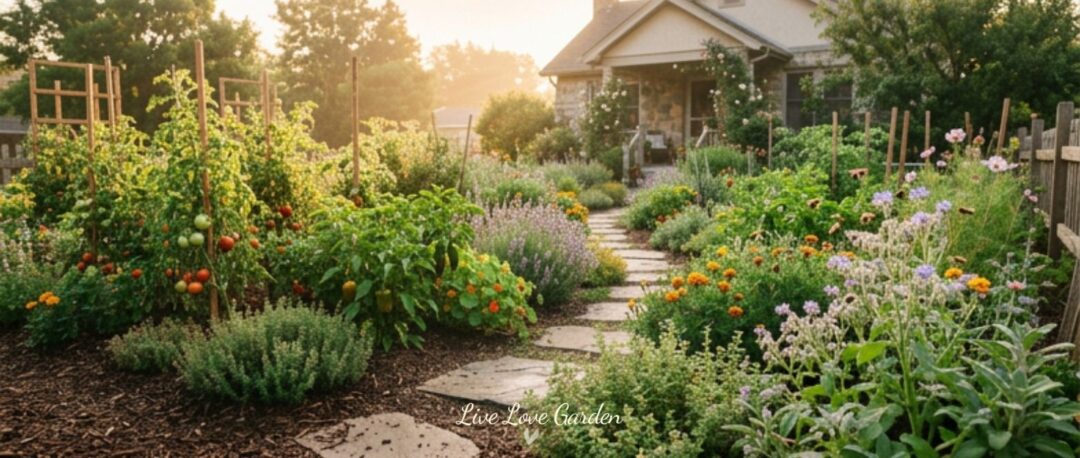
One of the most beautiful side effects of edible landscaping is that it naturally invites life back into your garden. When you blend fruits, vegetables, herbs, and flowers together, you create more than a productive space—you create a thriving ecosystem.
Bees drift lazily from bloom to bloom, butterflies flicker through sunlight, and beneficial insects quietly keep everything in balance. A garden designed this way doesn’t just grow food—it supports life at every level.
Why Edible Landscaping Supports Pollinators
Unlike traditional lawns or single-crop gardens, edible landscapes are rich in diversity. This variety provides pollinators with a steady source of nectar, pollen, and shelter throughout the seasons.
- Continuous blooms: A mix of herbs, flowers, and crops ensures something is always flowering.
- Diverse plant life: Different species attract different pollinators, increasing biodiversity.
- Natural habitat: Layered planting creates shelter and protection.
This diversity strengthens your entire garden. Pollinators improve fruit set and yields, while beneficial insects help manage pests naturally—creating a system that sustains itself.
Best Plants for Bees + Butterflies
Certain plants act like magnets for pollinators, drawing them in with color, scent, and nectar-rich blooms.
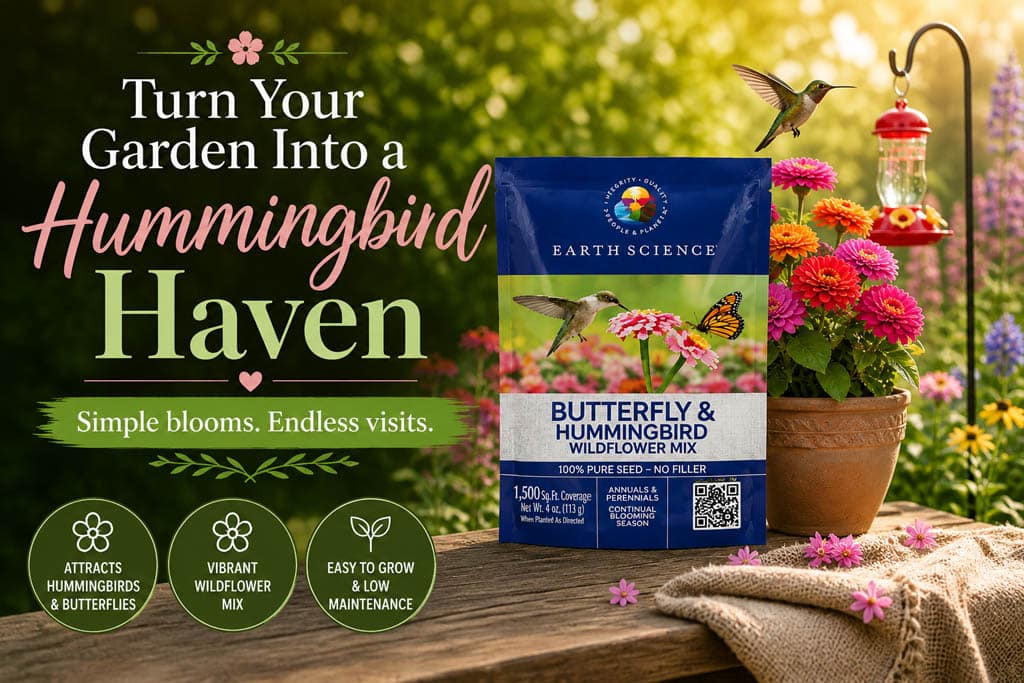
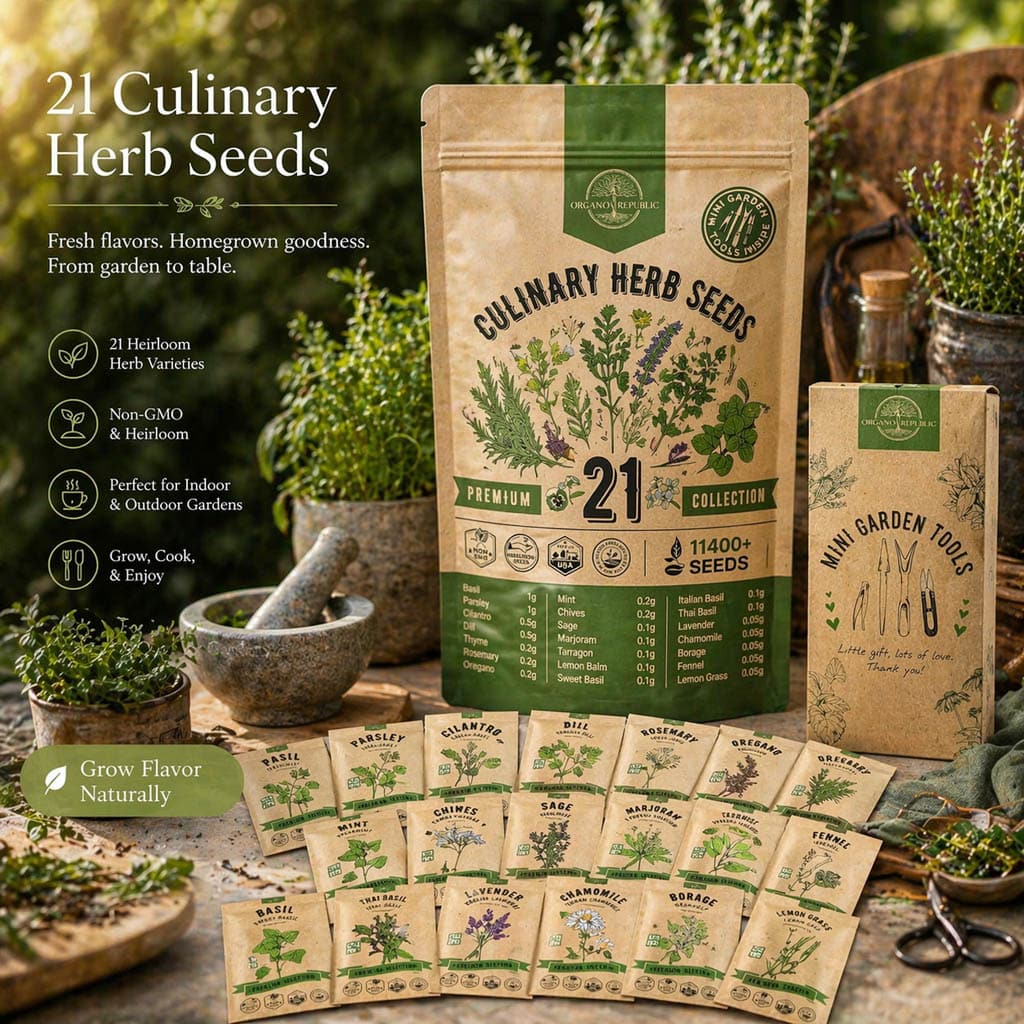
- Herbs in bloom: Lavender, thyme, oregano, and basil are irresistible to bees.
- Edible flowers: Nasturtiums, calendula, and borage provide both beauty and nourishment.
- Flowering crops: Squash, cucumbers, and fruit trees rely on pollinators for production.
Incorporating a variety of these plants ensures your garden remains active and vibrant throughout the growing season.
If you want to intentionally design for pollinator support, you can explore guides like creating a dedicated pollinator-friendly garden space, which pairs beautifully with edible landscaping principles.
Creating a Balanced Ecosystem
A truly successful garden isn’t controlled—it’s balanced.
When you invite biodiversity into your edible landscape, you begin to see a shift. Fewer pest problems. Healthier plants. A sense that everything is working together rather than competing.
- Encourage beneficial insects: Ladybugs, lacewings, and bees help maintain balance.
- Plant in layers: Combine groundcovers, shrubs, and taller plants to mimic natural systems.
- Avoid monoculture: Diversity reduces vulnerability to pests and disease.
This approach mirrors how ecosystems function in the wild—resilient, interconnected, and self-regulating.
Even small additions can make a big difference. For example, incorporating native flowering plants like regionally adapted pollinator blooms can strengthen your garden’s ecological foundation.
When you design for pollinators, you’re not just growing a garden—you’re restoring a small piece of the natural world.
In the end, edible landscaping becomes something more than productive or beautiful—it becomes alive, humming with quiet energy, and rooted in harmony.
Common Edible Landscaping Mistakes to Avoid
Even the most beautiful edible landscaping dreams can quickly turn into tangled, overwhelming spaces without a bit of foresight. The good news? Most common mistakes are easy to avoid once you know what to look for.
Think of this section as your gentle course correction—a way to keep your garden feeling intentional, balanced, and joyful rather than chaotic.
Planting Without a Design Plan
It’s tempting to start planting right away—especially when inspiration strikes—but skipping the planning phase often leads to a disjointed garden.
- Lack of flow: Plants feel scattered rather than connected.
- Missed opportunities: Space isn’t used efficiently.
- Visual clutter: The garden can feel overwhelming instead of inviting.
Taking time to map out your layout—even loosely—helps create harmony between beauty and function. If you’re unsure where to begin, revisiting foundational steps like planning your garden from the ground up can make all the difference.
Ignoring Mature Plant Size
That tiny seedling or small nursery plant won’t stay that way for long.
- Overgrown spaces: Plants compete for light and airflow.
- Crowded roots: Nutrients and water become limited.
- Lost structure: Your original design gets swallowed by growth.
Always plan for how large your plants will become—not just how they look today. Giving each plant enough room allows your garden to mature gracefully instead of becoming tangled and stressed.
Overcrowding
In edible landscaping, abundance is beautiful—but too much of it in one space can backfire.
- Reduced airflow: Increases the risk of disease.
- Lower yields: Plants compete instead of thriving.
- Maintenance challenges: Harvesting and care become difficult.
Spacing your plants properly may feel counterintuitive at first, but it ultimately leads to healthier growth and a more balanced, visually appealing garden.
Choosing High-Maintenance Crops
Not all edible plants are created equal when it comes to care. Some require constant attention, while others quietly thrive with minimal effort.
- High-maintenance crops: Can quickly lead to burnout.
- Time demands: Frequent watering, pruning, or pest control.
- Inconsistent results: More work doesn’t always mean better harvests.
Choosing reliable, easy-to-grow plants helps your garden feel sustainable rather than stressful. You can simplify your approach even further by exploring methods like low-effort, soil-friendly gardening techniques, which reduce maintenance while improving soil health.
Forgetting Seasonal Transitions
A garden that isn’t planned for seasonal change can quickly lose its structure and productivity.
- Empty spaces: Beds look bare between planting cycles.
- Missed planting windows: Limits what you can grow.
- Unbalanced design: The garden feels incomplete during certain seasons.
By planning ahead for each season, you ensure your garden remains full, vibrant, and productive year-round. Even simple steps—like rotating crops or adding cool-season plants—can keep your landscape feeling alive.
A thriving garden isn’t about perfection—it’s about thoughtful choices that allow beauty and balance to grow naturally.
With these common pitfalls in mind, you can design an edible landscape that feels effortless, resilient, and deeply rewarding.
Beginner’s Step-by-Step Guide to Starting Your Edible Landscape
Starting an edible landscaping journey can feel like standing at the edge of something vast and beautiful. The key is not to rush—but to build slowly, intentionally, and with curiosity.
These expanded foodscaping ideas break the process into clear, grounded steps—each one designed to help you create a garden that feels both manageable and deeply rewarding.
🌿 Step 1: Assess Your Space
Your garden begins with observation. Before planting anything, spend a few days noticing how your space behaves.
- Sun patterns: Track where sunlight falls throughout the day—this determines what you can grow.
- Soil health: Is it sandy, clay-heavy, or rich and loamy? Healthy soil is the foundation of everything.
- Water flow: Notice drainage after rain—some areas may hold moisture longer than others.
- Microclimates: Walls, fences, and trees can create pockets of warmth or shade.
This step is less about doing and more about listening. Your garden will tell you what it needs—if you take the time to notice.
🌸 Step 2: Choose a Design Style
Your design style shapes how your garden feels the moment you step into it.
- Structured: Clean lines, symmetry, and clearly defined beds for a polished look.
- Naturalistic: Flowing shapes, layered planting, and a softer, more organic feel.
- Hybrid: A blend of structure and wildness—organized, but still relaxed.
Choosing a style early helps prevent your garden from feeling scattered. It becomes your quiet guide for every planting decision.
🌱 Step 3: Select Plants (Blend Ornamental + Edible)
This is where your edible landscaping vision comes to life—through thoughtful plant selection.
- Layer your plants: Trees, shrubs, and ground covers create depth and fullness.
- Mix beauty with function: Combine colorful greens, edible flowers, and fruiting plants.
- Think in seasons: Choose a mix of spring, summer, and fall crops for continuous interest.
- Consider maintenance: Start with easy, reliable plants to build confidence.
Every plant becomes part of a larger composition—adding color, texture, and purpose to your space.
🪴 Step 4: Map Your Layout
Before you dig, take a moment to sketch your garden. It doesn’t need to be perfect—just intentional.
- Create focal points: Place trees, raised beds, or vertical structures first.
- Design pathways: Ensure you can move easily through your garden.
- Group by needs: Place plants with similar sunlight and water requirements together.
- Plan for growth: Leave space for plants to mature fully.
This step transforms scattered ideas into a cohesive design—giving your garden a sense of direction from the very beginning.
🌼 Step 5: Start Small (One Bed or Section)
It’s easy to dream big—but the most successful gardens start small.
- Focus on one area: A single raised bed, border, or container grouping.
- Learn your garden: Notice what thrives and what struggles.
- Refine your approach: Adjust spacing, watering, and plant choices as you go.
A small, thriving space builds confidence and creates a strong foundation for expansion.
🌞 Step 6: Build Over Time
An edible landscape is never finished—it evolves with each season.
- Expand gradually: Add new beds or features as your confidence grows.
- Observe and adapt: Let your garden guide your next steps.
- Deepen your connection: The more time you spend in your garden, the more intuitive it becomes.
Over time, your space transforms into something layered, abundant, and uniquely yours—a garden that reflects both patience and possibility.
A garden doesn’t grow all at once—it unfolds, one thoughtful step at a time.
Why Edible Landscaping Is the Future of Gardening
There’s something quietly powerful about stepping into a garden that gives back to you.
Not just in beauty—but in nourishment, in purpose, in connection.
Edible landscaping isn’t just a gardening trend. It’s a return to something older, wiser, and more intuitive. A way of living where your outdoor space becomes part of your daily life—not just something you pass by, but something you participate in.
In a world that often feels rushed and disconnected, this kind of garden offers something different. It slows you down. It invites you to notice. It reminds you that growth takes time—and that there is beauty in that process.
Sustainability + Self-Sufficiency
Growing your own food, even in small amounts, creates a shift.
You begin to rely less on systems far removed from your life and more on what you can nurture right outside your door. A handful of herbs. A basket of tomatoes. A few strawberries gathered in the morning light.
These small harvests add up—not just in what they provide, but in how they change the way you see your space.
Your garden becomes more than decoration. It becomes a source of resilience.
Emotional Satisfaction (Connection to Food + Nature)
There is a different kind of satisfaction that comes from growing your own food—one that can’t be replicated any other way.
It’s in the quiet moments. The brushing of leaves as you walk by. The first bloom. The first harvest. The simple act of tasting something you nurtured from seed.
These experiences create a deeper connection—not just to your garden, but to the rhythms of nature itself.
Over time, your garden becomes a place of grounding. A place where your mind can rest, your hands can work, and your senses can come alive.
When you grow your own food, you’re not just feeding your body—you’re nourishing your sense of connection, purpose, and peace.
Start Where You Are
You don’t need a perfect plan. You don’t need a large space. You don’t even need experience.
You just need to begin.
Start with a single plant. A small bed. A container on your patio. Let it teach you. Let it grow with you.
Because edible landscaping isn’t about creating a flawless garden—it’s about creating a living space that evolves alongside you.
And one day, without even realizing it, you’ll step outside and see it—
a garden that feeds you, surrounds you with beauty, and feels like it has always belonged there.