

🌸 Introduction: A Wildflower That Paints the Garden in Firelight
There’s a quiet kind of magic that settles in during the height of summer—when the soil runs dry, the air hums with heat, and many flowers begin to bow out for the season.
And then, almost like nature refusing to dim the lights, Gaillardia pulchella steps in.
Its petals glow in rich shades of crimson, gold, and sunlit amber—like a sunset lingering just a little longer—transforming even the most weathered corners of the garden into something vibrant, alive, and full of warmth.
Known as Indian Blanket, Gaillardia pulchella is one of those rare wildflowers that doesn’t just tolerate tough conditions—it feels at home in them.
You’ll spot it stretching across open fields, lining quiet country roads, and weaving through prairies—especially throughout Texas and the southern United States—swaying gently in the breeze as if it’s exactly where it’s meant to be. Because it is.
This isn’t a flower that asks for perfection.
It doesn’t need rich soil or constant care.
Instead, it offers something beautifully simple:
• Bold, cheerful color that lasts through the heat
• A welcoming landing place for bees and butterflies
• Effortless beauty, even when conditions are less than ideal
Gaillardia doesn’t just survive the heat—it celebrates it.
As more gardeners begin to lean into slower, more sustainable ways of growing—choosing plants that work with nature instead of against it—it’s no surprise this radiant wildflower is gaining attention.
If you’ve been dreaming of a space that feels both beautiful and resilient, you might already be exploring ideas like designing a drought-resilient garden—and Gaillardia slips into that vision as if it’s always belonged there.
It also plays well with others, especially when paired with native blooms you might recognize from regional wildflower collections for warmer climates, making it an easy, natural addition whether you’re starting fresh or gently layering new life into an existing space.
🌼 What You’ll Learn in This Guide
Think of this as your companion for growing Gaillardia pulchella with confidence and ease. Inside, we’ll explore:
• How to plant and grow it successfully in hot climates
• The best soil, sunlight, and watering practices
• Simple ways to invite more pollinators into your garden
• Design ideas for relaxed, low-maintenance spaces
• Tips for saving seeds and letting your garden return year after year
Whether you’re just beginning your gardening journey or tending a space that’s already well-loved, this is a flower that meets you gently where you are—and thrives right alongside you.
Let’s step into the warmth and grow something that truly glows. 🌼🔥

Looking for a quick answer? Here’s everything you need to know about growing Gaillardia pulchella at a glance.
🌼 Gaillardia pulchella at a Glance (Quick Growing Guide)
Sun Requirements: Full sun (6–8+ hours daily)
Soil Type: Well-draining, sandy or lean soil (avoid rich, heavy soil)
Water Needs: Low once established (drought tolerant)
Bloom Time: Late spring through fall
Flower Colors: gold, yellow, orange tones (often bi-colored)
Height & Spread: 12–24 inches tall, 12–18 inches wide
Pollinator Value: Attracts bees, butterflies, and beneficial insects
Maintenance Level: Low (minimal watering, no heavy feeding required)
Best Uses: Wildflower meadows, xeriscapes, pollinator gardens, containers
🌿 Quick Answers About Gaillardia pulchella
Is Gaillardia pulchella a perennial or annual?
Gaillardia pulchella is technically an annual wildflower, but it often reseeds itself and returns year after year, especially in warm climates.
Does Gaillardia pulchella come back every year?
Yes, it commonly comes back through self-seeding. New plants grow from dropped seeds, creating a natural, recurring display each season.
Is Gaillardia pulchella drought tolerant?
Gaillardia pulchella is highly drought tolerant once established and thrives in hot, dry conditions with minimal watering.
How long does Gaillardia pulchella bloom?
It blooms from late spring through fall, often continuing even during intense summer heat.
Can Gaillardia pulchella grow in pots?
Yes, it grows well in containers as long as the soil drains well and the plant receives full sun.
🌸 Why Gaillardia pulchella Is Perfect for Hot Climate Gardens
- Drought-tolerant flower ideal for water-wise gardening
- Native wildflower suited for Texas and southern climates
- Long blooming season with minimal care
- Pollinator-friendly plant that supports bees and butterflies
- Thrives in poor soil where other plants struggle
🌞 Growing Tips for Maximum Blooms
- Plant in full sun for best flowering
- Avoid overwatering—dry soil is better than soggy soil
- Skip heavy fertilizers to prevent leggy growth
- Allow some flowers to go to seed for natural reseeding
- Use well-draining soil, especially in containers

🌼 What Is Gaillardia pulchella?
If Gaillardia pulchella had a personality, it would be the friend who shows up glowing—unbothered by the heat, thriving in places others wouldn’t dare, and somehow making everything feel a little more alive.
This vibrant wildflower, commonly known as Indian Blanket or Firewheel, is part of the sunflower family (Asteraceae), a lineage filled with sun-loving, resilient bloomers. But Gaillardia has a presence all its own—bold, warm, and just a little wild in the best way.
🌿 Botanical Roots & Native Origins
Gaillardia pulchella is native to much of the central and southern United States, with a strong presence in Texas, Oklahoma, and surrounding prairie regions.
It naturally grows in:
• Open grasslands
• Roadsides and disturbed soils
• Coastal plains and sandy stretches
This tells you something important right away:
this is a plant that evolved without pampering.
It’s adapted to lean soil, intense sun, and unpredictable rainfall—conditions that would stress many traditional garden flowers. And yet, Gaillardia doesn’t just endure these environments… it expresses itself fully within them.
If you’ve ever admired the delicate, nodding blooms of columbine in a woodland garden, you’ve already seen the other side of nature’s artistry—soft, shade-loving, and quietly elegant.
Gaillardia lives at the opposite end of that spectrum: sun-drenched, bold, and unapologetically vibrant. Together, they tell a beautiful story about how different plants find their rhythm in different corners of the garden.
And if you’re drawn to plants that naturally support wildlife while thriving in their native environment, you’ll notice Gaillardia shares that same effortless purpose as many blooms featured in pollinator-friendly native flower collections—even across very different growing zones.
🌱 Annual or Perennial? Understanding Its Lifecycle
One of the most charming things about Gaillardia pulchella is that it doesn’t follow rigid rules.
Technically, it’s considered an annual wildflower—meaning it completes its life cycle in one growing season:
• Germinates from seed
• Grows and blooms quickly
• Sets seed before the season ends
But here’s where it gets interesting…
In warm climates, especially in the South, it often behaves like a short-lived perennial or a reliable reseeder.
That means once you plant it, you may find it returning year after year—not because the same plant survives, but because it gently sows the next generation for you.
Plant it once, and with a little trust, it learns how to come back on its own.
This self-sustaining rhythm makes it especially appealing for gardeners who want beauty without constant replanting.
🌸 Growth Size, Shape, and Bloom Style
Gaillardia pulchella grows with a relaxed, slightly untamed form—perfect for naturalistic gardens and wildflower spaces.
Typical growth characteristics:
• Height: 12 to 24 inches
• Spread: 12 to 18 inches
• Growth habit: Upright with branching stems
• Texture: Light, airy, and open
And then, of course, there are the flowers…
Each bloom looks like it’s been hand-painted:
• Petals blend deep red at the center into golden yellow tips
• Some varieties feature solid colors or more pronounced banding
• Centers are often textured, dome-like, and rich with nectar
The overall effect is warm, dynamic, and full of movement—especially when planted in clusters that sway together in the breeze.
🌼 A Bloom Cycle That Keeps Giving
Once Gaillardia pulchella begins blooming, it doesn’t hold back.
You can expect:
• First blooms in late spring or early summer
• Continuous flowering through heat and drought
• Extended color well into fall in warmer climates
Unlike many flowers that peak and fade, Gaillardia keeps producing—especially if you allow it space to breathe and resist the urge to over-care for it.
In a way, it teaches a quiet gardening truth:
Growth doesn’t always come from doing more.
Sometimes, it comes from allowing a plant to be exactly what it was designed to be.

🌞 Why Gardeners Love Gaillardia pulchella
There are some plants you grow because they’re beautiful…
and others you grow because they make gardening feel easier, lighter, and more in tune with nature.
Gaillardia pulchella does both.
It’s the kind of flower that quietly earns its place in your garden—not by demanding attention, but by showing up day after day, blooming through the heat, and asking for very little in return.
🔥 Thrives in Heat, Drought, and Poor Soil
If you’ve ever struggled with dry soil, intense sun, or watering restrictions, Gaillardia can feel like a small miracle.
It doesn’t just tolerate tough conditions—it was made for them.
• Flourishes in full, blazing sun
• Handles drought once established
• Grows happily in sandy or low-nutrient soil
In fact, giving it too much love—rich soil, excess fertilizer, or frequent watering—can actually reduce its blooms.
This makes it a natural fit for gardeners embracing more sustainable practices, like water-wise landscaping techniques, where plants are chosen to work with the climate instead of against it.
🌼 A Long Blooming Season That Doesn’t Quit
Some flowers give you a brief moment of beauty… and then fade.
Gaillardia isn’t one of them.
Once it starts blooming in late spring or early summer, it keeps going—often all the way through fall.
• Continuous blooms through intense heat
• Minimal maintenance required to keep flowering
• Even more blooms with occasional deadheading (optional)
It’s like having a steady, glowing presence in your garden—one that doesn’t disappear when the temperatures rise.
🐝 A Pollinator Magnet (Without the Extra Work)
Step outside on a warm afternoon, and you’ll likely find your Gaillardia alive with movement.
Bees hover.
Butterflies pause.
The whole plant hums with quiet activity.
As a nectar-rich native wildflower, it naturally supports pollinators without any special care or intervention.
If creating a thriving ecosystem is part of your garden vision, Gaillardia fits beautifully alongside other ideas shared in guides to building a pollinator-friendly garden—helping you turn even a small space into something buzzing with life.
And if you’re gardening in a compact area, it pairs effortlessly with the strategies in
small-space pollinator planting ideas, proving you don’t need a large yard to make a meaningful impact.
🦌 Naturally Resistant to Deer and Pests
Another quiet gift of Gaillardia pulchella?
It’s not particularly appealing to deer or many common garden pests.
• Deer tend to pass it by
• Few serious insect problems
• No need for constant monitoring or treatments
In a world where many plants require ongoing protection, Gaillardia offers a sense of ease—letting you step back and simply enjoy your garden more often.
🌾 Perfect for Wildflower Meadows and Natural Spaces
If your garden leans a little more wild than polished, Gaillardia will feel right at home.
Its loose, airy growth and vibrant blooms make it ideal for:
• Wildflower meadows
• Naturalized garden beds
• Cottage-style planting
• Relaxed, low-maintenance landscapes
It blends beautifully with other native plants, creating that effortless, “grown-not-designed” look that so many gardeners are drawn to right now.
Not every garden needs to be controlled to be beautiful. Sometimes, the most breathtaking spaces are the ones that are allowed to breathe.
🌿 Why It Belongs in a Modern Garden
When you step back and look at the bigger picture, it’s easy to see why Gaillardia pulchella continues to grow in popularity.
It checks all the boxes for today’s gardener:
• Drought-tolerant flowers for changing climates
• Native wildflowers (especially valued in Texas and the southern U.S.)
• Low-maintenance garden plants that don’t demand constant care
• Pollinator-friendly flowers that support local ecosystems
And maybe most importantly… it brings joy.
The kind of simple, sunlit joy that reminds you why you started gardening in the first place.

🌱 How to Grow Gaillardia pulchella
Growing Gaillardia pulchella feels a little different than growing most garden flowers—and that’s exactly the point.
This is a plant that thrives when you step back just a bit.
Less fuss. Less feeding. Less watering.
More trust.
🌿 Soil Requirements
If you’re used to enriching your soil with compost and nutrients, this might feel counterintuitive—but Gaillardia prefers things on the simpler side.
• Well-draining soil is essential
• Sandy or rocky soil works beautifully
• Lean soil actually encourages better blooming
Heavy, rich soil can lead to leggy plants with fewer flowers. In other words, the more you try to “improve” things, the less Gaillardia shines.
If you’re already building healthy soil in other parts of your garden using methods like composting kitchen and garden waste, that’s wonderful—but for Gaillardia, it’s best to choose a lighter touch and let the soil stay a bit wild.
☀️ Sunlight Needs
Gaillardia is a sun lover through and through.
• Requires full sun (at least 6–8 hours daily)
• Thrives in intense, direct light
• Produces fewer blooms in partial shade
If planted in too much shade, you may notice:
• Fewer flowers
• Taller, weaker stems
• A more stretched, leggy appearance
Think of it this way—this is a flower that was made for open skies, not tucked-away corners.
💧 Watering Needs
Here’s where many gardeners accidentally go wrong.
Gaillardia pulchella is incredibly drought-tolerant once established, and overwatering is far more harmful than underwatering.
• Water regularly only during early establishment
• After that, water sparingly
• Always allow soil to dry between watering
Too much water can lead to:
• Root rot
• Weak growth
• Reduced flowering
It’s also worth being mindful of how soil amendments can affect moisture retention. For example, adding too many organic materials can hold water longer than Gaillardia prefers.
If you’ve ever experimented with adding things like coffee grounds to your soil, you already know they can change drainage and nutrient balance—something explored more deeply in this guide to using coffee grounds in the garden.
With Gaillardia, the goal is simple:
dry, well-draining soil and a light hand with watering.
🌡️ Climate & Growing Zones
Gaillardia pulchella is beautifully adaptable, but it truly shines in warm, dry climates.
• Hardy across Zones 3–10 (as an annual or reseeding plant)
• Thrives in southern and western regions
• Ideal for heat-prone, drought-prone areas
If you’re gardening in warmer zones, you’ll often see it reseed naturally and return year after year.
For inspiration on how it fits into your specific region, you can explore native planting ideas like:
• native flower favorites for Zone 8 gardens
• pollinator plants for Zone 9 landscapes
• resilient native blooms for Zone 6
No matter your zone, Gaillardia has a way of adapting—especially when given the right conditions from the start.
🌾 Planting Gaillardia pulchella
Planting Gaillardia is refreshingly simple, which makes it perfect for both beginners and experienced gardeners alike.
Direct Sowing (Recommended):
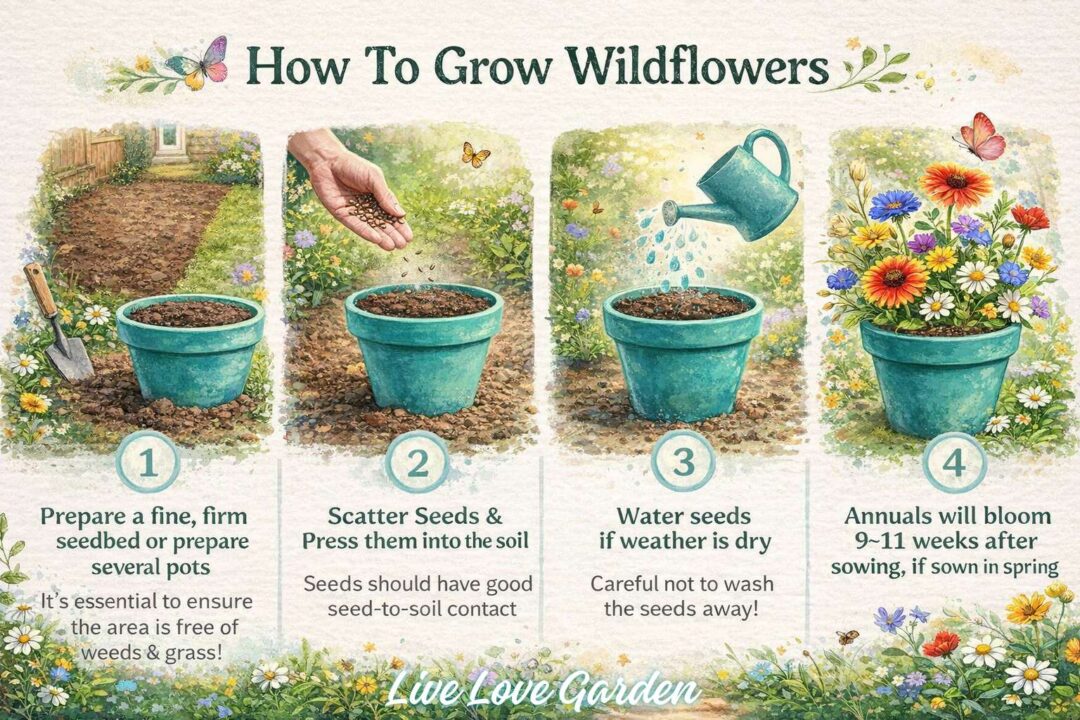
• Scatter seeds directly onto prepared soil
• Lightly press seeds into the surface (do not bury deeply)
• Water gently until established
Best Planting Times:
• Early spring after the last frost
• Fall in warmer climates for earlier blooms
Germination:
• Typically occurs within 7–20 days
• Warm soil speeds up the process
If you like planning your garden season with intention, you might find it helpful to align your planting with a broader seasonal rhythm like the one outlined in this spring planting guide.
🌺 Care Guide: Effortless Beauty
Once established, Gaillardia pulchella is about as low-maintenance as it gets.
Deadheading:
• Optional, but can encourage more blooms
• Leaving flowers allows for natural reseeding
Fertilization:
• Rarely needed
• Too much fertilizer reduces flowering
Reseeding:
• Drops seeds naturally at the end of the season
• New plants often appear the following year
This gentle, self-sustaining cycle aligns beautifully with more mindful approaches to gardening—like no-dig gardening methods—where the goal is to work with nature instead of constantly reshaping it.
Sometimes the most successful gardens aren’t the most controlled—they’re the ones where nature is given just enough space to lead.
With Gaillardia, that balance comes naturally.
Give it sun, give it space, and then… let it do what it was made to do.

🐝 Pollinator Benefits: A Nectar-Rich Haven
There’s a moment—usually in the warmth of late morning—when your garden begins to hum.
Not loudly. Not all at once.
But gently, like life waking up.
A bee drifts in, slow and purposeful.
A butterfly lands, wings opening like stained glass in the sun.
Something small and unseen moves between stems.
And if Gaillardia pulchella is part of your garden, chances are… this is where they gather.
🌼 A Natural Invitation to Pollinators
Gaillardia isn’t just beautiful—it’s generous.
Its open, daisy-like blooms make nectar easily accessible, which is exactly what pollinators are looking for. There’s no complicated structure to navigate, no barrier to entry. Just color, warmth, and nourishment.
It regularly attracts:
• Bees (native bees, honeybees, and bumblebees)
• Butterflies seeking nectar throughout the day
• Hoverflies and other beneficial insects
• Occasional beetles and small pollinating visitors
Unlike some hybrid flowers bred primarily for appearance, Gaillardia pulchella still holds onto its ecological purpose. It feeds, supports, and participates in the rhythm of the natural world.
🦋 Supporting More Than Just Beauty
When you plant Gaillardia, you’re not just adding color—you’re creating habitat.
Pollinators rely on consistent food sources, especially in hot climates where blooming plants can become scarce during peak summer. Gaillardia fills that gap beautifully, continuing to produce nectar when many other flowers have faded.
This kind of steady support helps:
• Sustain pollinator populations through harsh conditions
• Encourage more frequent garden visits
• Strengthen the overall health of your local ecosystem
And the impact reaches further than you might expect.
According to the USDA, pollinators are responsible for helping produce about one-third of the food we eat—making even small garden spaces part of something much bigger.
🌿 A Living, Breathing Garden Ecosystem
When pollinators arrive, they rarely come alone.
A garden that supports bees and butterflies often begins to attract other beneficial insects too—creating a quiet, balanced ecosystem right outside your door.
You might start to notice:
• Ladybugs helping manage aphids
• Lacewings drifting in at dusk
• Praying mantises blending into stems
• A natural reduction in pest problems over time
If you’ve ever wondered how to encourage this kind of balance, it’s worth exploring how beneficial insects play a role in organic gardening, like in this guide to welcoming ladybugs into your garden.
🌸 Building a Pollinator-Friendly Space (Big or Small)
The beauty of Gaillardia pulchella is that it fits effortlessly into pollinator gardens of any size.
Whether you’re working with:
• A sprawling backyard
• A modest garden bed
• A small patio or container setup
…it still shows up and does its part.
If you’re just beginning to design a space with pollinators in mind, you can take inspiration from this guide to building a pollinator garden, where plant choices and layout come together to support wildlife naturally.
And if space is limited, you’ll love how easily Gaillardia pairs with other compact, nectar-rich plants featured in small-space pollinator planting ideas—proving that even the smallest gardens can make a meaningful impact.
🌞 A Garden That Feels Alive
There’s something deeply grounding about a garden filled with movement.
Not just wind through leaves—but life.
Wings. Tiny footsteps. A quiet, constant exchange between plant and pollinator.
When you plant for pollinators, you’re not just growing flowers—you’re creating a place where life gathers, lingers, and belongs.
Gaillardia pulchella invites that kind of presence.
Not loudly. Not forcefully.
But steadily, season after season—turning your garden into something more than beautiful.
Something alive.
🌵 Designing with Gaillardia pulchella
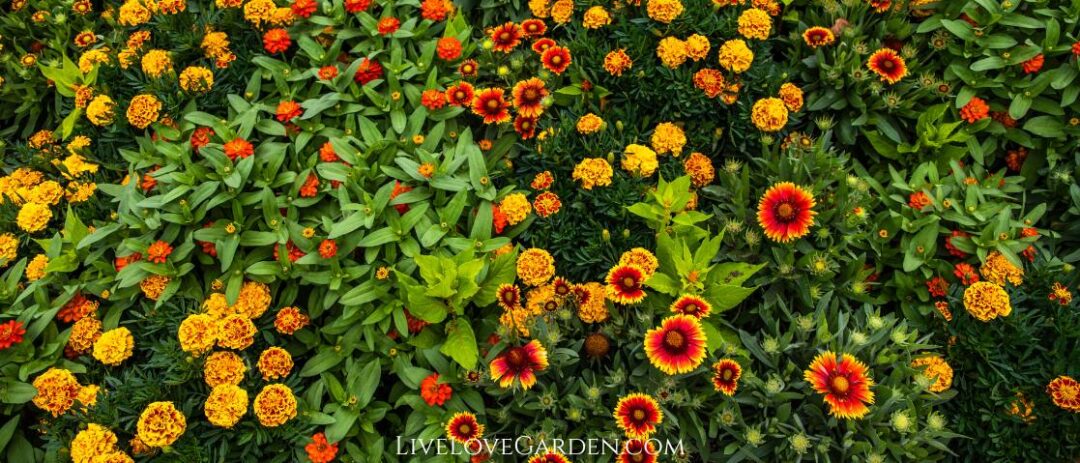
Designing with Gaillardia pulchella is less about strict structure… and more about letting your garden exhale.
This is not a plant that wants to be confined into perfect rows or tightly controlled spaces.
It shines when it’s given room to move, mingle, and feel a little untamed.
Think of it as painting with warm tones—scattering color in a way that feels natural, effortless, and alive.
🌾 Wildflower Meadows: Let It Roam
If you’ve ever dreamed of a garden that feels like it grew there on its own, Gaillardia is your starting point.
In wildflower meadows, it creates waves of fiery color that shift and sway with the breeze—blending beautifully with other native blooms.
To design a meadow-style space:
• Scatter seeds rather than planting in rows
• Mix with other drought-tolerant wildflowers
• Allow natural spacing and reseeding
• Embrace a slightly “imperfect” look
The result is something deeply calming—less like a designed garden and more like a living landscape that changes with the seasons.
🌸 Cottage Gardens: Soft Structure Meets Wild Beauty
Gaillardia also fits surprisingly well into cottage-style gardens, where structure and spontaneity meet.
Its bold reds and yellows add contrast among softer blooms, creating that layered, abundant feeling cottage gardens are known for.
Try pairing it with:
• Echinacea
• Coreopsis
• Black-eyed Susans
• Ornamental grasses
Let it peek through pathways, spill into edges, and soften more structured plantings. It brings a sense of warmth and movement that keeps the garden from feeling too formal.
🌞 Xeriscapes: Beauty Without the Thirst
In drought-prone areas, Gaillardia becomes more than just a design choice—it becomes a solution.
Its natural ability to thrive in dry, sunny conditions makes it a perfect anchor plant in xeriscape gardens.
In these spaces, it pairs beautifully with:
• Gravel pathways
• Stone features
• Succulents and other drought-tolerant plants
• Native grasses
If you’re drawn to that sun-washed, earthy aesthetic, you might find inspiration in Mediterranean-style garden design, where plants like Gaillardia echo the same resilience and warmth.
The overall effect?
A garden that feels grounded, intentional, and effortlessly sustainable.
🪴 Containers: Small Spaces, Big Impact
Even if you don’t have a large garden, Gaillardia still finds a way to shine.
Its compact growth and long blooming season make it a beautiful addition to containers, patios, and balcony gardens.
To grow Gaillardia in containers:
• Use well-draining potting mix
• Choose containers with drainage holes
• Place in full sun
• Water lightly and avoid overwatering
It works especially well as:
• A centerpiece plant in mixed containers
• A bold, colorful accent on patios
• A pollinator-friendly option for small outdoor spaces
If you’re working with limited room, you can also explore creative ways to expand your growing space—like vertical gardening techniques—to layer in even more life without needing more ground.
🌿 Designing with Intention (and a Little Freedom)
What makes Gaillardia pulchella so special in garden design isn’t just how it looks—it’s how it feels.
It softens edges.
It fills gaps.
It invites movement and life into a space.
A garden doesn’t have to be perfectly arranged to be beautiful. Sometimes, the most inviting spaces are the ones that feel like they grew exactly as they were meant to.
Whether you’re designing a sprawling wildflower meadow or a single sunlit container, Gaillardia brings a kind of warmth that can’t be manufactured.
It doesn’t just fill space.
It transforms it.

🌻 Companion Plants That Thrive Together
One of the most beautiful things about growing Gaillardia pulchella is how effortlessly it plays well with others.
It doesn’t compete for attention.
It doesn’t overpower the space.
Instead, it weaves itself into the garden—adding warmth, contrast, and continuity while allowing other plants to shine alongside it.
When you pair Gaillardia with the right companions, something special happens: your garden begins to feel layered, dynamic, and alive… like a small ecosystem rather than a collection of individual plants.
🌸 Echinacea (Coneflower): Strong, Steady, and Pollinator-Loved
If Gaillardia is the spark, Echinacea is the anchor.
With its upright structure and soft, daisy-like blooms, it balances Gaillardia’s looser, more flowing form beautifully.
Together, they create:
• A long-lasting bloom season
• A rich nectar source for pollinators
• A mix of bold and soft textures
Echinacea also shares Gaillardia’s love for full sun and well-draining soil, making them natural companions in low-maintenance gardens.
If you’d like to grow them side by side, you can explore everything you need to know in this guide to growing echinacea in your garden.
🌼 Coreopsis: Light, Airy, and Full of Sunshine
Coreopsis brings a softer, more delicate energy to the garden, with its bright yellow blooms dancing on slender stems.
When planted with Gaillardia:
• Colors blend seamlessly (gold, yellow, and warm reds)
• The garden feels lighter and more fluid
• Bloom times overlap for continuous color
Both plants thrive in similar conditions, making them an easy pairing for gardeners who want beauty without complication.
🌻 Black-Eyed Susan (Rudbeckia): Bold Contrast and Classic Charm
There’s something timeless about Black-eyed Susans.
Their deep golden petals and dark centers add contrast and depth when planted near Gaillardia’s fiery tones.
Together, they create:
• A classic wildflower look
• Strong visual contrast
• A pollinator-friendly planting combination
They also share similar care needs—full sun, well-draining soil, and minimal watering once established—making them a dependable duo.
🦋 Milkweed: Supporting the Full Life Cycle
If your goal is to support pollinators on a deeper level, milkweed is one of the most meaningful companions you can plant alongside Gaillardia.
While Gaillardia provides nectar for adult butterflies, milkweed plays a different—but equally important—role:
• It serves as a host plant for monarch caterpillars
• Supports the full butterfly life cycle
• Adds diversity and ecological value to your garden
Together, they create a space that doesn’t just attract pollinators—it sustains them.
If you’re interested in adding milkweed to your garden, especially in smaller spaces, this guide to growing milkweed in containers is a wonderful place to start.
🌿 Designing a Plant Community, Not Just a Garden
When you begin to think of companion planting as building a community rather than filling space, your garden shifts in a beautiful way.
Each plant plays a role:
• Some bring color
• Some provide structure
• Some support pollinators at different stages
• Some simply fill in the quiet gaps
A thriving garden isn’t made of individual plants—it’s made of relationships.
Gaillardia pulchella fits naturally into that web of connection.
It doesn’t need to stand alone to be beautiful.
In fact, it becomes even more radiant when it’s part of something larger.
And when you plant it alongside companions that share its resilience and purpose, your garden begins to feel less like something you manage…
and more like something that lives and breathes on its own.

🌾 Common Problems and Solutions with Gaillardia
One of the reasons gardeners fall in love with Gaillardia pulchella is because it’s so easygoing.
But even the most resilient plants have their limits.
When something does go wrong, it’s usually not because the plant is difficult—it’s because we’ve given it conditions that don’t match what it naturally prefers.
The good news? Most issues are easy to spot… and even easier to fix.
💧 Root Rot (The Most Common Mistake)
If there’s one thing Gaillardia truly dislikes, it’s sitting in wet soil.
Root rot happens when the roots stay too moist for too long, cutting off oxygen and allowing decay to set in.
Signs to watch for:
• Yellowing leaves
• Wilting despite moist soil
• Soft, darkened stems near the base
• A general “droopy” look that doesn’t improve with watering
Why it happens:
• Overwatering
• Poorly draining soil
• Heavy clay or compacted garden beds
How to fix it:
• Allow soil to dry out completely between watering
• Improve drainage with sand or gravel if needed
• Avoid planting in low areas where water collects
• In severe cases, remove affected plants to prevent spread
With Gaillardia, it’s always safer to lean a little too dry than too wet.
🌫️ Powdery Mildew
Powdery mildew can appear like a light dusting of flour across the leaves—soft, pale, and easy to overlook at first.
While it’s not usually fatal, it can weaken the plant over time and reduce blooming.
Signs to watch for:
• White or gray powdery coating on leaves
• Leaves curling or becoming distorted
• Reduced plant vigor
Why it happens:
• High humidity
• Poor air circulation
• Crowded planting
How to prevent and manage it:
• Space plants properly to allow airflow
• Avoid overhead watering
• Remove affected leaves early
• Plant in full sun to reduce moisture buildup
A healthy, sunlit environment is often all Gaillardia needs to resist this issue naturally.
🌱 Leggy Growth (Reaching for the Sun)
When Gaillardia doesn’t receive enough sunlight, it starts to stretch—literally.
Instead of growing compact and full, it becomes tall, thin, and a bit floppy.
Signs to watch for:
• Long, weak stems
• Fewer blooms
• Plants leaning or falling over
Why it happens:
• Too much shade
• Competition from nearby plants
• Overly rich soil encouraging excessive leaf growth
How to fix it:
• Move plants to a full sun location
• Reduce nearby competition
• Avoid heavy fertilization
• Light pruning can help encourage bushier growth
Gaillardia is happiest when it can soak in the sun without obstruction.
🌿 Seedling Struggles: A Quick Note on Early Growth
If you’re starting Gaillardia from seed, you may occasionally run into issues during the earliest stages—particularly with young seedlings.
One condition to be aware of is damping off, a fungal issue that affects seedlings before they fully establish.
Signs include:
• Seedlings collapsing suddenly at the soil line
• Thin, weak stems
• Poor early survival rates
If this sounds familiar, you can learn more about prevention and care in this helpful guide to
managing damping-off in young plants.
🌼 The Simple Truth About Gaillardia Problems
Most issues with Gaillardia pulchella can be traced back to one thing:
Trying to treat it like a high-maintenance garden plant.
The less you try to perfect Gaillardia’s environment, the more it seems to thrive.
Give it sun.
Give it space.
Let the soil breathe.
And more often than not, it will reward you with a garden that feels strong, vibrant, and beautifully uncomplicated.
🌿 Is Gaillardia pulchella Invasive?
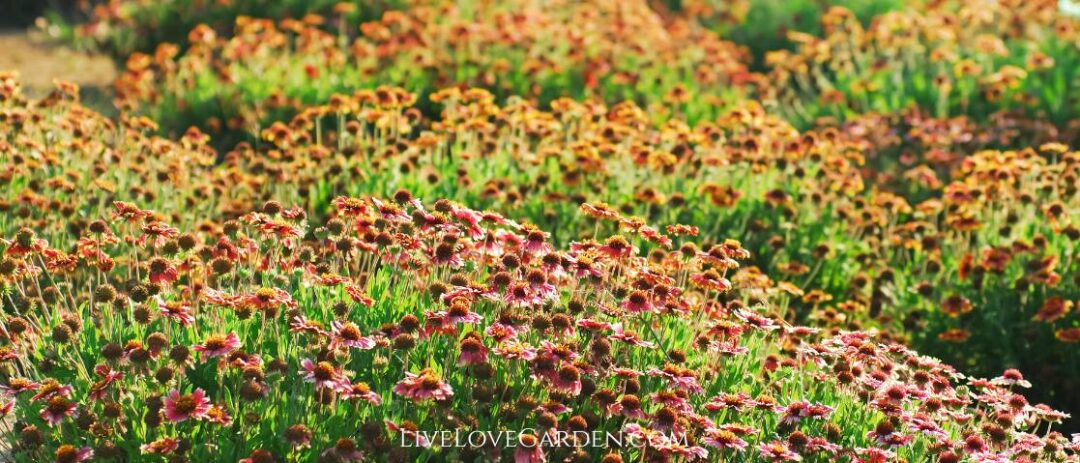
This is one of those questions gardeners ask with a little hesitation—especially when a plant grows as freely and generously as Gaillardia does.
The short answer is simple:
No, Gaillardia pulchella is not considered invasive.
But like many wildflowers, it does have a natural instinct to spread—and in the right conditions, it can do so quite enthusiastically.
🌱 A Willing Reseeder, Not a Garden Takeover
Gaillardia spreads primarily through self-seeding, not aggressive root systems or underground runners.
That means:
• It drops seeds at the end of the season
• New plants may appear nearby the following year
• It fills in spaces naturally, without crowding out other plants
In fact, this gentle reseeding is part of its charm. It allows your garden to evolve organically, with new blooms appearing in slightly different places each season—like a living, shifting painting.
According to the USDA Plant Database, Gaillardia pulchella is a native species that plays a beneficial role in local ecosystems, rather than disrupting them.
🌼 When It Spreads… and When It Doesn’t
You’ll notice more reseeding when:
• Soil is left undisturbed
• Flowers are allowed to go to seed
• Conditions are warm and sunny
And less reseeding when:
• You deadhead regularly
• Soil is heavily mulched
• Plants are removed before seeds mature
It’s a plant that responds to how you garden.
🌿 How to Manage the Spread (If Needed)
If you prefer a more controlled look, it’s easy to guide Gaillardia without losing its natural charm.
To limit spreading:
• Deadhead spent blooms before seeds form
• Remove unwanted seedlings early in the season
• Maintain defined planting areas
To encourage spreading:
• Allow flowers to fully mature and dry
• Let seeds fall naturally
• Avoid over-mulching or heavy soil disturbance
Gaillardia doesn’t take over—it simply shows up where it’s welcome.
In many ways, it offers a gentle balance:
wild enough to feel free, but not so aggressive that it overwhelms your space.
🌼 Saving Seeds from Gaillardia pulchella
There’s something deeply satisfying about saving seeds from your own garden.
It turns a single season into something ongoing—a quiet promise that what you’ve grown will return again.
With Gaillardia pulchella, seed saving is simple, approachable, and incredibly rewarding.
🌾 When Are Seeds Ready to Harvest?
After the vibrant petals fade, Gaillardia forms small, dry seed heads at the center of each bloom.
You’ll know they’re ready when:
• The flower head turns brown and dry
• Petals have fully dropped away
• Seeds feel firm and easily separate
Timing matters here—harvest too early, and the seeds may not be viable. Wait until nature has fully finished its cycle.
✂️ How to Collect and Dry Seeds
Seed collecting can be as simple as a quiet moment in the garden with a small container in hand.
To collect seeds:
• Snip dried flower heads or gently pull them apart
• Place seeds into a paper bag or bowl
• Remove any excess plant material
To dry seeds:
• Spread them out in a cool, dry place
• Allow them to air dry for several days
• Avoid moisture and direct sunlight during this stage
Patience here ensures strong, healthy seeds for the next growing season.
📦 Storage Tips for Long-Term Success
Once your seeds are fully dry, proper storage keeps them viable.
• Store in paper envelopes or breathable containers
• Label with plant name and date
• Keep in a cool, dark, dry location
Avoid plastic containers unless you’re certain all moisture is gone—trapped humidity can lead to mold.
🌱 Encouraging Natural Reseeding
Of course, you don’t always have to collect seeds.
Gaillardia is more than happy to take care of that part on its own.
To encourage natural reseeding:
• Leave some blooms uncut at the end of the season
• Allow seeds to fall directly onto the soil
• Minimize disturbance in planting areas
Over time, you’ll notice new plants appearing—often in the most unexpected and delightful places.
Saving seeds is a quiet kind of gardening—one that trusts in cycles, patience, and the simple act of letting something continue.
Whether you gather them carefully or let nature scatter them for you, Gaillardia pulchella has a way of returning—again and again—bringing that same warm glow back to your garden each season.

🌞 Seasonal Care Guide
One of the quiet joys of growing Gaillardia pulchella is how naturally it moves with the seasons.
There’s no complicated schedule to follow.
No constant adjustments to make.
Just a gentle rhythm—plant, bloom, rest, return.
🌱 Spring: A Fresh Beginning
Spring is where it all begins.
As the soil warms and the last frost fades, it’s the perfect time to sow Gaillardia seeds directly into the garden.
What to do:
• Scatter seeds onto well-draining soil
• Lightly press them in (no deep planting needed)
• Water gently until seedlings establish
This is also a beautiful time to reset your garden space—clearing, preparing, and planting with intention.
If you like having a simple roadmap for the season, you might enjoy following a
spring gardening checklist to guide your planting and prep.
There’s something hopeful about this stage—small seeds, open soil, and the quiet anticipation of what’s to come.
🌼 Summer: Let It Shine
By summer, Gaillardia steps fully into its element.
This is when the garden begins to glow—blooms opening wide under the sun, pollinators drifting in and out, everything alive with warmth.
What to expect:
• Continuous blooming through heat
• Minimal watering needs
• A steady presence of bees and butterflies
What to do:
• Water lightly if needed during extreme drought
• Deadhead if you want to encourage even more blooms
• Otherwise… simply enjoy
This is the season where Gaillardia asks the least of you—and gives the most in return.
🍂 Fall: Gathering and Letting Go
As temperatures begin to soften, Gaillardia shifts into its final act for the season.
Blooms begin to fade, and seed heads form—quietly preparing for what comes next.
What to do:
• Collect seeds for future planting
• Leave some flowers to reseed naturally
• Reduce watering as growth slows
Fall is a season of both harvest and release.
You can gather what you need… and trust the rest to fall where it may.
❄️ Winter: Rest and Renewal
In winter, Gaillardia retreats.
Above ground, it may disappear completely in colder climates. But beneath the surface—or within the seeds it has scattered—the next cycle is already waiting.
What to expect:
• Dormancy or dieback
• No active growth
• Seeds resting in the soil
What to do:
• Leave soil undisturbed where possible
• Avoid overwatering
• Allow nature to take the lead
Not every season is meant for growth. Some are meant for quiet becoming.
And when spring returns, so will Gaillardia—often in places you didn’t expect, but exactly where it belongs.

🌸 Benefits of Growing Gaillardia pulchella
Some plants earn their place in the garden through beauty alone.
Others earn it through usefulness.
Gaillardia pulchella does both—effortlessly.
It’s the kind of plant that gives more than it takes.
And in today’s gardens, that matters more than ever.
💧 Water-Wise Gardening Made Simple
As climates shift and water becomes more precious, choosing drought-tolerant plants isn’t just practical—it’s meaningful.
Gaillardia thrives with minimal watering once established, making it a perfect fit for:
• Dry climates
• Low-water landscapes
• Sustainable gardening practices
It allows you to create a vibrant garden without constantly reaching for the hose.
🐝 Supporting Pollinators Without Extra Effort
Every bloom offers something back to the ecosystem.
By planting Gaillardia, you’re naturally supporting:
• Bees and native pollinators
• Butterflies seeking nectar
• Beneficial insects that help balance your garden
And the best part?
You don’t have to do anything extra—it’s built into the plant itself.
🌿 Low-Maintenance Beauty That Lasts
If you’ve ever felt overwhelmed by high-maintenance plants, Gaillardia is a breath of fresh air.
• No heavy feeding required
• Minimal watering once established
• Long-lasting blooms with little intervention
It’s a reminder that a beautiful garden doesn’t have to be complicated.
🌱 A Plant That Aligns with Intentional Living
There’s something deeply satisfying about growing plants that are both beautiful and purposeful.
If you’re drawn to herbs and plants that offer both resilience and usefulness, you might also appreciate something like growing sage at home for its many benefits—another example of how the right plants can enrich both your garden and your daily life.
Gaillardia fits into that same philosophy.
It doesn’t ask for perfection.
It doesn’t demand constant attention.
Some of the most rewarding gardens aren’t the ones that require the most work—they’re the ones that give the most back.
And season after season, Gaillardia pulchella does exactly that—bringing color, life, and a quiet sense of ease to wherever it grows.

🌿 Lifestyle & Mindful Gardening Connection
Some plants do more than grow.
They reflect something back to us.
Gaillardia pulchella is one of those plants.
It thrives in heat, in dryness, in soil that hasn’t been carefully perfected.
It doesn’t wait for ideal conditions.
It doesn’t hesitate.
It simply blooms—bright, steady, and full of life.
🌸 A Symbol of Resilience and Warmth
There’s a quiet kind of strength in Gaillardia.
Not the loud, forceful kind—but the kind that endures. The kind that adapts. The kind that finds a way to flourish anyway.
In many ways, it mirrors the seasons of our own lives:
• Times that feel abundant and full
• Times that feel dry or uncertain
• Moments where growth happens quietly, beneath the surface
And still… it blooms.
Not everything beautiful grows under perfect conditions. Some of the most radiant things learn to thrive exactly where they are.
Gaillardia carries that warmth into the garden—a reminder that resilience doesn’t have to look hard or heavy. Sometimes, it looks like color. Like movement. Like quiet joy in the middle of summer heat.
🌿 Thriving in Imperfect Conditions
In a world that often pushes us toward perfection, gardening offers something different.
It invites us to soften.
To observe.
To let go of control, just a little.
Gaillardia fits beautifully into this mindset.
It doesn’t need perfect soil.
It doesn’t need constant attention.
It doesn’t need everything to be just right.
And because of that, it pairs so naturally with approaches like embracing imperfection in the garden through wabi-sabi principles, where beauty is found in the natural, the weathered, and the evolving.
It also aligns with a slower, more intentional way of living—one that values presence over productivity, and simplicity over excess. If that speaks to you, you may find inspiration in
creating a quieter, more mindful lifestyle that mirrors the same ease Gaillardia brings to the garden.
🌳 A Garden That Grounds You
There’s something deeply calming about stepping into a space that isn’t trying too hard.
A place where plants grow naturally.
Where pollinators move freely.
Where nothing feels forced.
Gaillardia helps create that kind of environment.
It invites you to pause.
To notice the small things.
To be present in the moment.
In many ways, tending a garden like this becomes a practice in itself—similar to the gentle awareness found in spending time immersed in nature through forest bathing.
You’re not just growing flowers.
You’re cultivating a space that supports your own sense of calm, clarity, and connection.
🌼 Letting Your Garden Reflect Your Life
Over time, your garden begins to feel like an extension of you.
Not perfect.
Not static.
But growing, changing, and alive.
A garden doesn’t have to be flawless to be meaningful. It just has to be real.
Gaillardia pulchella brings that reminder with every bloom.
A little warmth.
A little resilience.
A quiet invitation to grow—right where you are.
🌺 Frequently Asked Questions About Gaillardia pulchella
Sometimes the simplest questions are the ones that help everything click into place.
If you’re considering adding Gaillardia pulchella to your garden—or you’ve already planted it and want to understand it better—these are the answers that matter most.
🌼 Is Gaillardia pulchella a perennial?
Technically, Gaillardia pulchella is considered an annual wildflower.
But in warmer climates, it often behaves like a returning favorite.
Because it self-seeds so easily, many gardeners experience it as a short-lived perennial—with new plants appearing year after year without needing to replant.
In cooler climates, you may need to reseed each spring.
In warmer regions, it often takes care of that for you.
🌱 Does Gaillardia pulchella reseed itself?
Yes—and beautifully so.
This is one of its most loved qualities.
When flowers are left to mature at the end of the season:
• Seeds naturally drop to the soil
• New plants emerge the following season
• The garden evolves in a soft, organic way
If you prefer a more natural, meadow-like look, allowing Gaillardia to reseed can create a space that feels alive and ever-changing.
🌸 How long does Gaillardia pulchella bloom?
Gaillardia is known for its long, generous blooming season.
You can expect:
• Blooms beginning in late spring or early summer
• Continuous flowering through the hottest months
• Color lasting into fall in warm climates
With minimal care, it provides months of vibrant color—often outlasting many other flowers in the garden.
💧 Is Gaillardia pulchella drought tolerant?
Absolutely.
In fact, it’s one of the reasons gardeners love it so much.
Once established, Gaillardia:
• Requires very little watering
• Thrives in dry, sunny conditions
• Performs well in water-wise gardens
It’s an excellent choice for anyone looking to reduce water use while still enjoying a colorful, thriving garden.
🪴 Can Gaillardia pulchella grow in containers?
Yes, it can—and it does surprisingly well.
Gaillardia adapts nicely to container gardening as long as a few key conditions are met:
• Use well-draining soil
• Choose containers with drainage holes
• Place in full sun
• Water lightly (avoid overwatering)
It works beautifully on patios, balconies, or small garden spaces—bringing that same wildflower charm into a more contained setting.
If you want to make container gardening even easier, especially during hot weather, you might consider using a system like a self-watering container setup, which helps maintain consistent moisture without the risk of overwatering.
🌿 A Simple Plant with a Generous Nature
At its core, Gaillardia pulchella is uncomplicated.
It doesn’t require constant attention or perfect conditions.
It simply grows, blooms, and returns—often with very little help.
Sometimes the best plants aren’t the ones that need the most care—they’re the ones that quietly give the most back.
And once you grow it, you’ll understand why so many gardeners make space for it year after year.

🌸 Top Varieties of Gaillardia to Grow in Your Garden
Once you fall in love with Gaillardia pulchella, it’s only natural to start wondering… what else is out there?
And the answer is: quite a bit.
While Gaillardia pulchella is the wild, free-spirited native that started it all, there are several cultivated varieties and closely related species that offer different colors, sizes, and growth habits—each with its own personality.
Adding a mix of varieties can bring even more depth, contrast, and season-long interest to your garden, while still keeping that same easygoing, sun-loving nature.
🌼 Gaillardia pulchella
Indian Blanket – The Classic
This is the wildflower you’ve come to know—the one that thrives in heat and poor soil while lighting up the landscape with fiery color.
Why it stands out:
- Native to the southern U.S., especially Texas
- Red petals with golden tips
- Excellent for reseeding and naturalizing
- Perfect for wildflower meadows
If you want effortless beauty that feels rooted in nature, this is your starting point.
🌻 Gaillardia aristata
Perennial Blanket Flower
Love Gaillardia but want something that returns reliably each year? This perennial brings structure and staying power.
Key features:
- True perennial in many climates
- Larger blooms
- Upright, sturdy growth
- Long-lasting summer color
It pairs beautifully with reseeding varieties for a balanced garden.
🌞 ‘Mesa Yellow’
Bright and Cheerful
Soft, glowing, and full of sunshine—this variety brings a lighter palette to your garden.
Why gardeners love it:
- Solid golden-yellow blooms
- Compact and tidy growth
- Long flowering season
- Great for borders and containers
Like planting a little piece of sunlight.
🔥 ‘Goblin’
Compact and Bold
Small but striking, this dwarf variety delivers big color in a compact form.
Best for:
- Small gardens and patios
- Container planting
- Edging and borders
- Low-growing design layers
Perfect when you want wildflower energy in a controlled space.
🌺 ‘Arizona Sun’
Award-Winning Vibrance
A favorite for a reason—bold color, early blooms, and reliable performance.
What makes it special:
- Large red and yellow flowers
- Early and extended blooming
- Compact, full shape
- Heat and drought tolerant
A perfect blend of wild beauty and garden reliability.
🌿 Mixing Varieties for a Natural, Layered Look
One of the most beautiful ways to use Gaillardia is not to choose just one—but to combine several.
- Use Gaillardia pulchella for natural reseeding
- Add Gaillardia aristata for structure
- Include compact varieties like ‘Goblin’ for edges
- Mix in bright tones like ‘Mesa Yellow’ for contrast
The result is a garden that feels layered, dynamic, and alive with movement.
A single flower can be beautiful—but a tapestry of varieties tells a story.
No matter which varieties you choose, they all share something essential:
A love for the sun.
A resilience in the heat.
And a quiet way of bringing warmth into every corner they touch.

🌼 Conclusion: Let Your Garden Burn Bright (In the Best Way)
There’s something quietly powerful about a plant that doesn’t ask for much—yet gives so much in return.
Gaillardia pulchella isn’t delicate.
It doesn’t need constant tending or perfect conditions.
And still… it shows up.
Bright. Steady. Full of life.
It reminds us that a beautiful garden doesn’t have to be complicated.
It can be:
• Rooted in ease instead of effort
• Designed with nature, not against it
• Filled with plants that thrive where they are
In a world where so much feels over-engineered, Gaillardia brings things back to something simpler—sunlight, soil, and the quiet rhythm of growth.
And beyond its beauty, it offers something even more meaningful.
Every bloom becomes a landing place.
Every patch of color becomes part of a larger ecosystem.
Bees gather.
Butterflies linger.
Life returns, again and again.
A garden isn’t just something you grow—it’s something you give.
If you’re ready to create a space that feels alive, abundant, and connected, Gaillardia is a beautiful place to begin.
And if you’d like to take that vision even further, you can explore how to build a thriving pollinator garden step by step—one that supports not just your plants, but the life around them.
Let your garden be a place of warmth.
Of resilience.
Of color that refuses to fade.
Let it burn bright—in the very best way. 🌼🔥


