

🏡 Why Pickled Beets Deserve a Spot in Every Pantry: Health Benefits, Uses, and Storage Tips
After all the love and effort you put into canning them, pickled beets are more than just a tangy treat—they’re a nutrient-rich powerhouse that deserves a permanent place in your pantry. From supporting your health to elevating everyday meals, there are so many reasons to keep a few jars on hand year-round.
🩷 Health Benefits of Pickled Beets
Pickled beets are packed with goodness. While the canning process may reduce some vitamin content, many of the essential nutrients remain intact—and their convenience means you're more likely to eat them regularly!
Here are some of the key health benefits of pickled beets:
-
Rich in antioxidants
Beets contain betalains, powerful compounds that help fight oxidative stress and inflammation. -
Supports digestion
Thanks to their high fiber content, pickled beets can help support a healthy digestive system. -
Heart-healthy nutrients
Potassium, folate, and nitrates found in beets contribute to improved blood pressure and cardiovascular wellness. -
Naturally energizing
Beets help boost stamina and blood flow, making them a favorite among athletes and wellness enthusiasts alike.
Even in pickled form, these vibrant root veggies offer a beautiful balance of flavor and function.
🍽️ Creative Ways to Use Pickled Beets
One of the best things about keeping pickled beets in the pantry is their versatility. Here are a few delicious ideas to inspire you:
-
Salad topper: Add slices to green salads or grain bowls for a tangy, sweet burst of flavor.
-
Cheese board companion: Their rich color and bold flavor pair beautifully with goat cheese, nuts, and olives.
-
Sandwich secret: Layer pickled beets into wraps, burgers, or grilled cheese sandwiches for unexpected depth.
-
Slaw upgrade: Chop and toss with shredded cabbage, carrots, and a light vinaigrette for a quick beet slaw.
-
Quick snack: Enjoy straight from the jar when you're craving something savory-sweet and satisfying.
The possibilities are endless—and each bite delivers both flavor and nutrients.
🧊 Storage Tips for Long-Lasting Pickled Beets
Homemade pickled beets are designed to last. When processed properly, your jars can safely store in the pantry for up to 1 to 2 years.
Follow these tips for optimal storage:
-
Label your jars with the canning date to keep track of freshness.
-
Store in a cool, dark location, like a pantry or cellar, to maintain quality.
-
Once opened, refrigerate the jar and eat within 4 to 6 weeks.
-
Always inspect jars before use—if you see cloudiness, bubbles, or an unsealed lid, discard it.
By canning your own pickled beets, you’re not only preserving a seasonal harvest—you’re creating a healthful, flavorful ingredient ready to enhance meals year-round.
🔒 Safety First: Why Proper Canning Techniques Matter
When it comes to preserving your homemade pickled beets, following safe, research-backed canning procedures is absolutely essential. Visit the National Center for Home Food Preservation's official canning recommendations at https://nchfp.uga.edu/how/can/.

🔪 Prep Work: How to Prepare Your Beets
This part takes a little time, but it's deeply satisfying:
- Sanitize your jars and lids
Boil them for 10 minutes or run them through a hot dishwasher cycle (without soap) to sanitize. - Wash and trim your beets
Remove the leafy tops and thin root tails. Don't peel yet! - Boil the beets
Place trimmed beets into a large stockpot and boil until fork-tender—usually about 30 to 45 minutes, depending on size. - Ice bath for easy peeling
Once soft, drain and transfer immediately to an ice water bath. This helps loosen the skins. - Peel the beets
When cool enough to handle, gently rub the skins off. They should slide right off with minimal effort. - Slice or leave whole
Slice into rounds, wedges, or cubes—or leave small beets whole for a more rustic presentation.
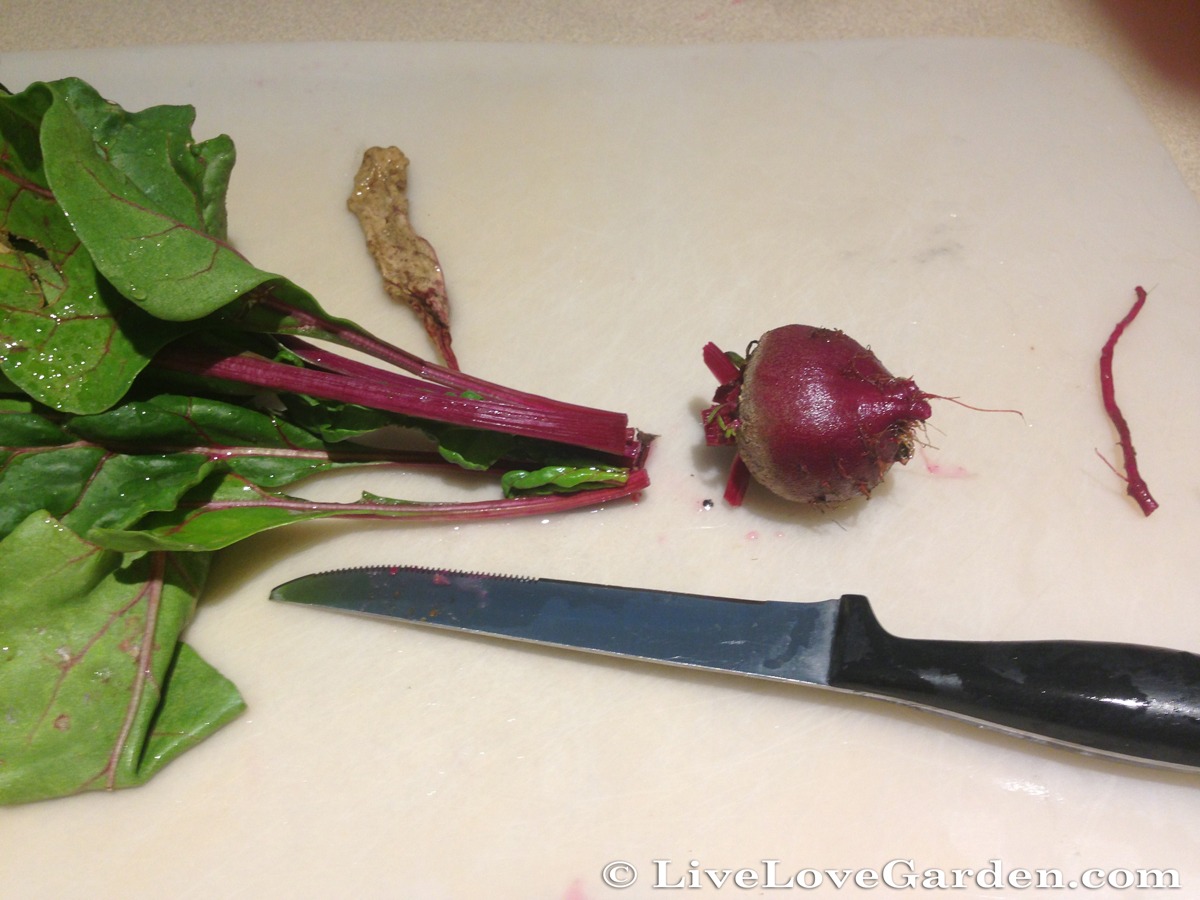
Cut off the root and stems
Cut off the root and stems leaving about half an inch of both.
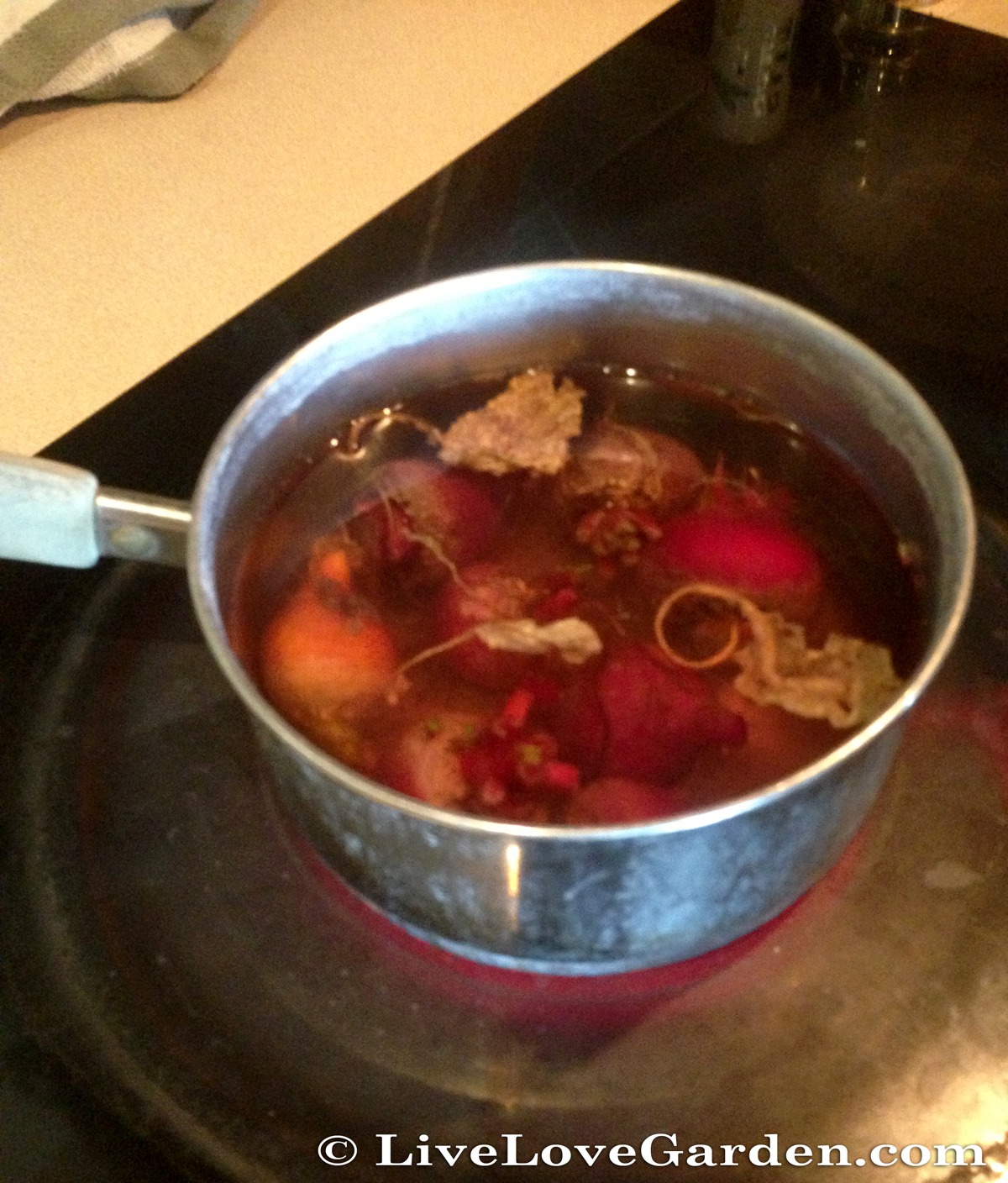
Cooking Beets
Making Pickled Beets Boiling with Spices
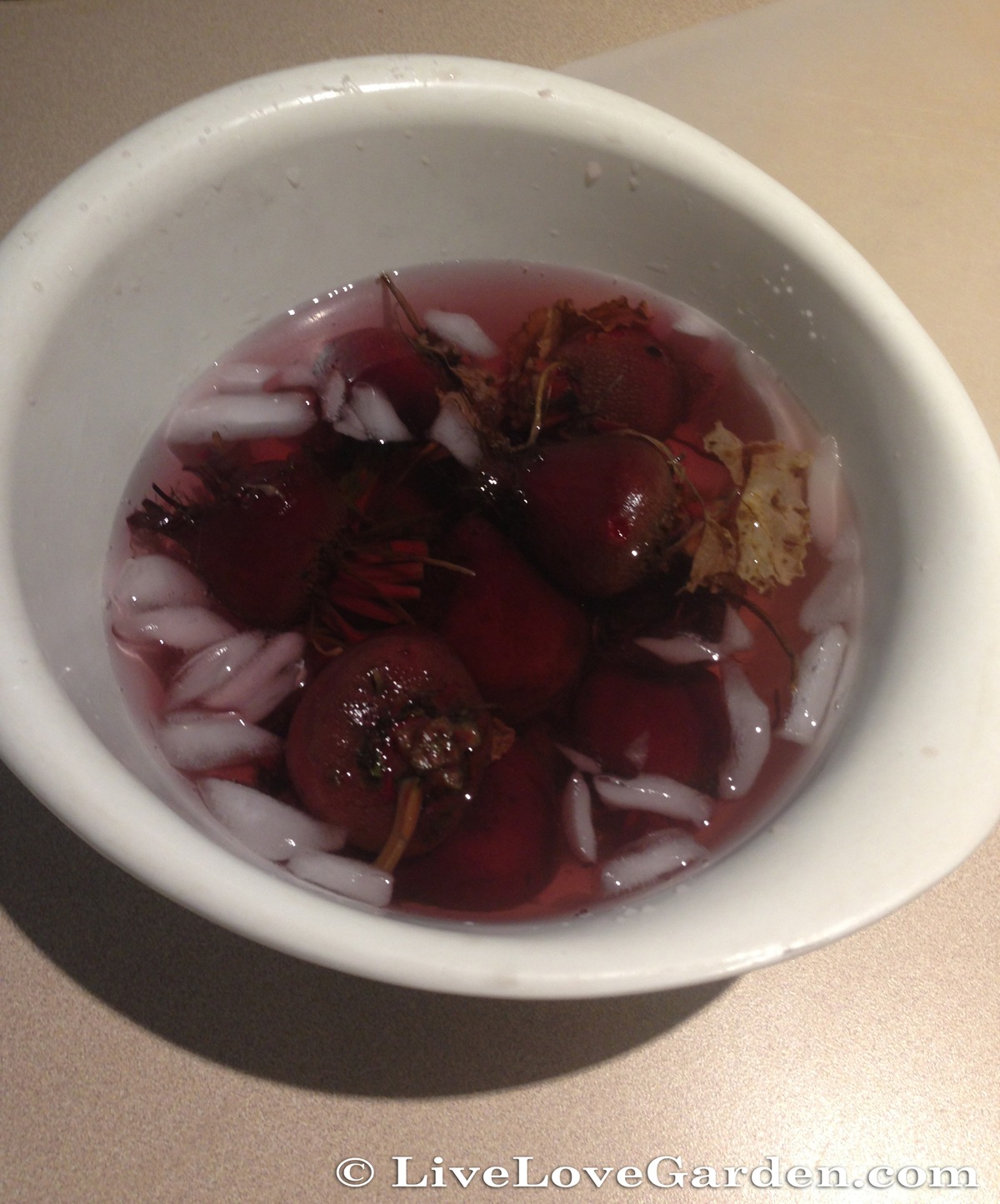
Beets in ice water
Making Pickled Beets Peeling skin off beets

Trim1
Making Pickled Beets Trimming up to remove skin
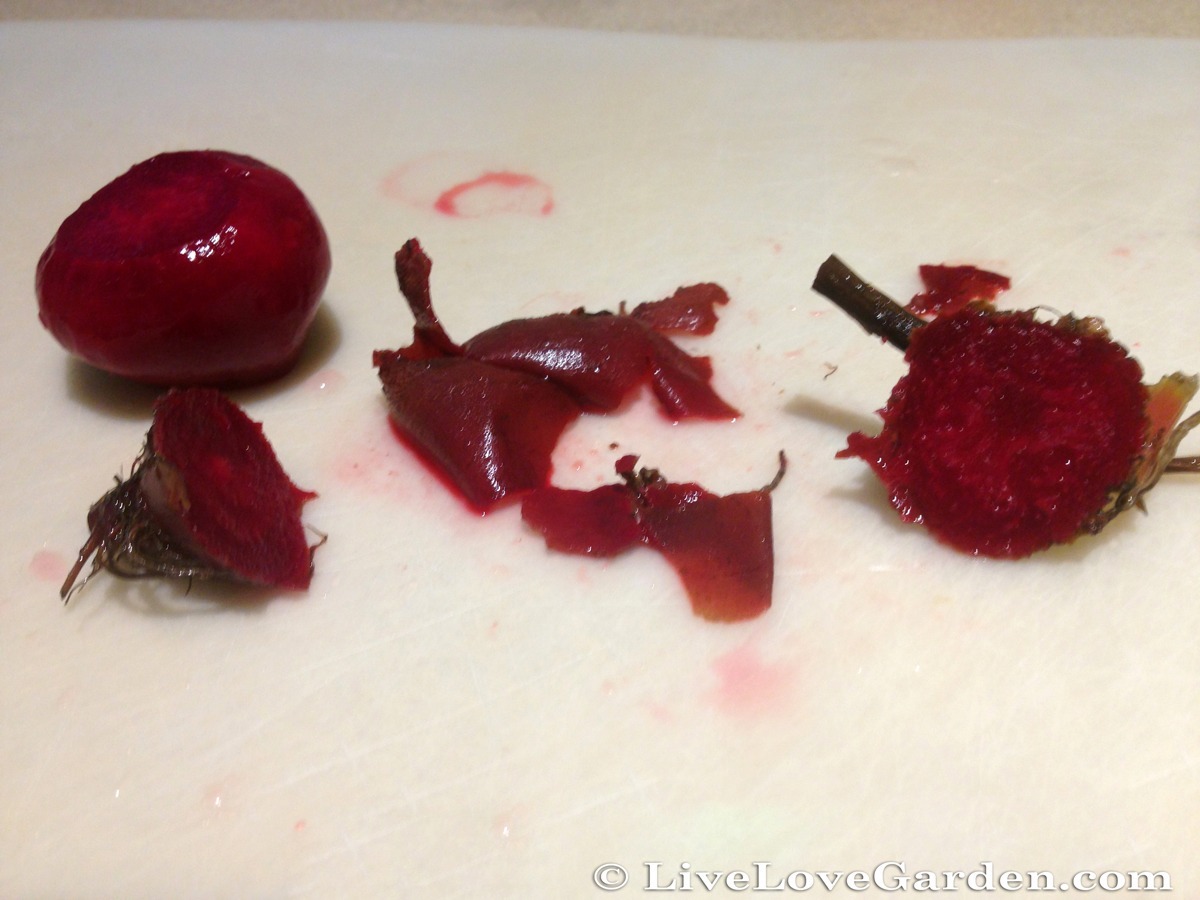
Peeled
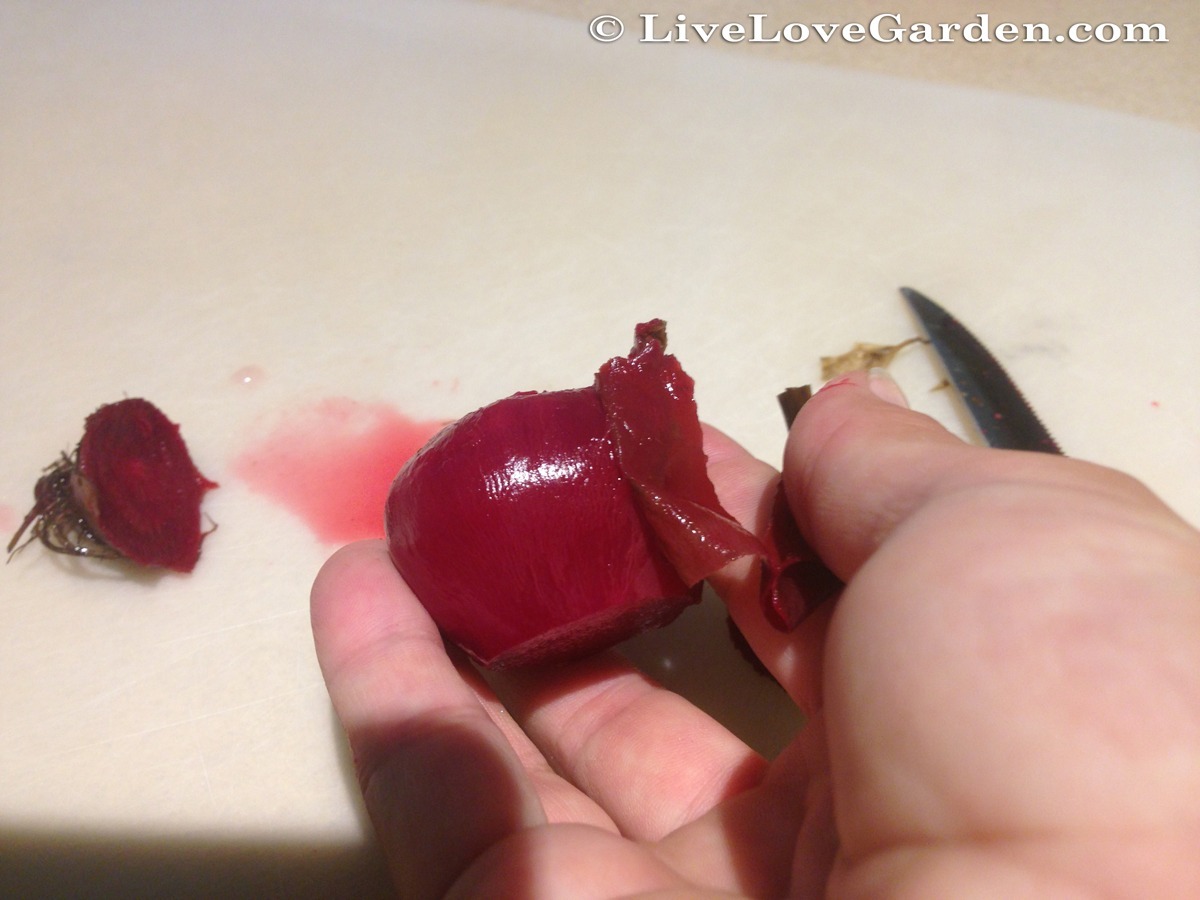
Peeling skin off beets
Making Pickled Beets Peeling skin off beets
🧂 Ingredients for the Brine
You’ll use different brine amounts depending on how many jars you're filling.
For 10–12 Pint Jars:
-
6.5 cups white vinegar
-
9 cups water
-
5 cups granulated sugar
-
1 small pinch of pickling spice
For 5–6 Pint Jars:
-
3.25 cups white vinegar
-
4.5 cups water
-
2.5 cups granulated sugar
-
1 small pinch of pickling spice
🍲 Cooking & Filling the Jars
- Make the brine
In a large pot, combine water, vinegar, sugar, and pickling spice. Stir in your prepared beets. The liquid should just cover the beets. - Bring to a boil
Boil the mixture for 5 minutes to blend the flavors. - Fill the jars
Using a funnel, divide the beets between sanitized jars. Then ladle in the hot liquid, leaving ½ inch of headspace at the top of each jar. - Remove air bubbles
Gently run a clean utensil or bubble remover along the inside of the jar to release any trapped air. Top off with brine if needed. - Wipe the rims
Use a clean, damp paper towel to wipe the jar rims. This helps ensure a strong seal. - Seal the jars
Using a potholder or towel to grip the hot jar, place lids on top and screw the bands on fingertip-tight—snug, but not overly tight.
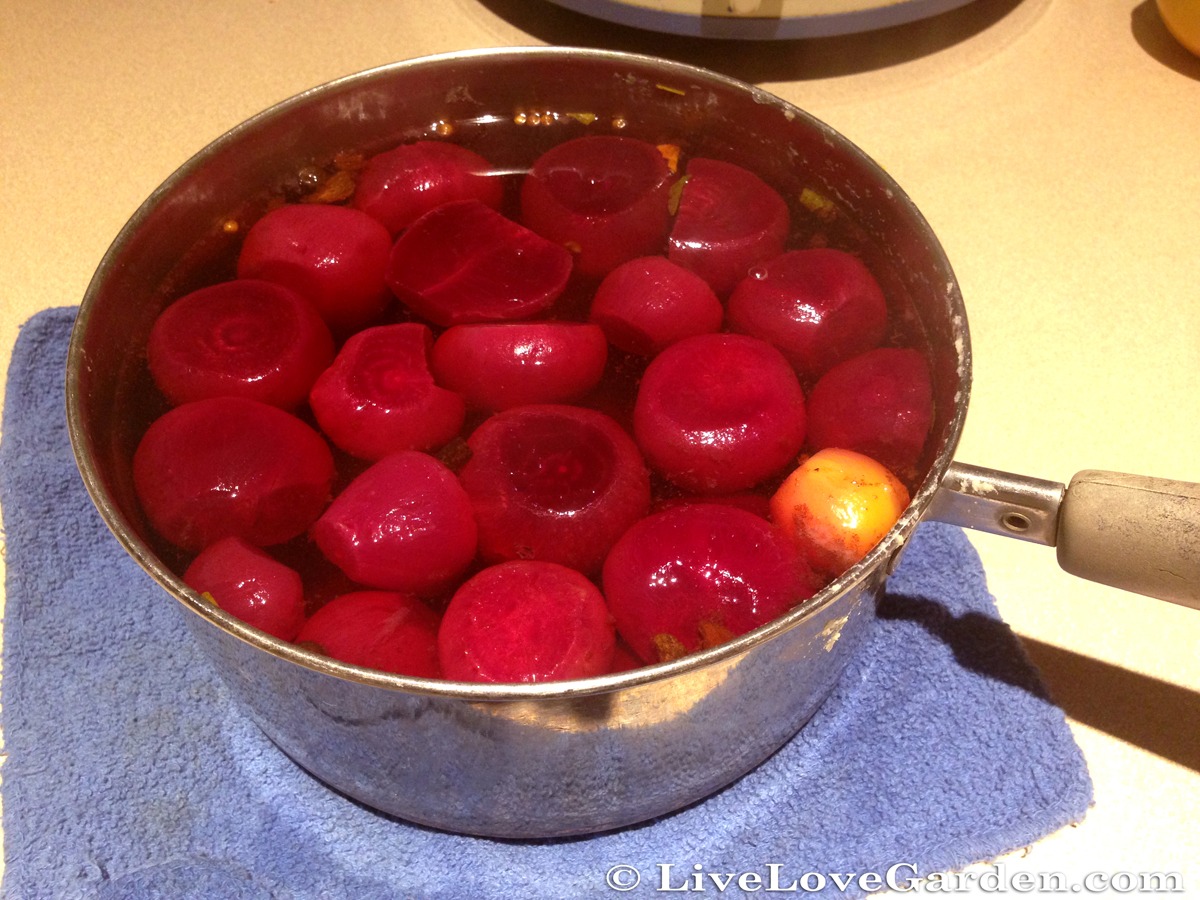
Making pickled beets
Making Pickled Beets Boiling with spices after peeled
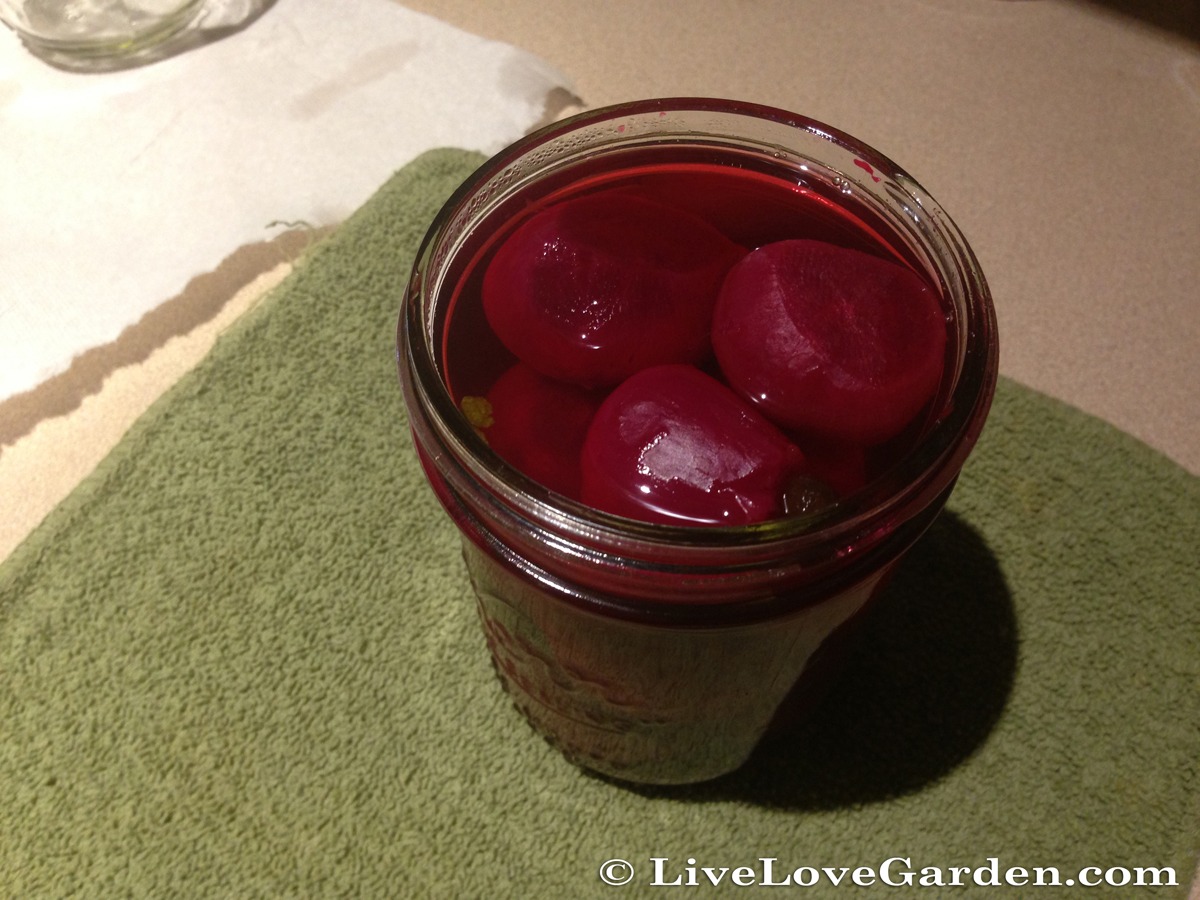
Pickled Beets Recipe
Making Pickled Beets Placing in jar after spicing
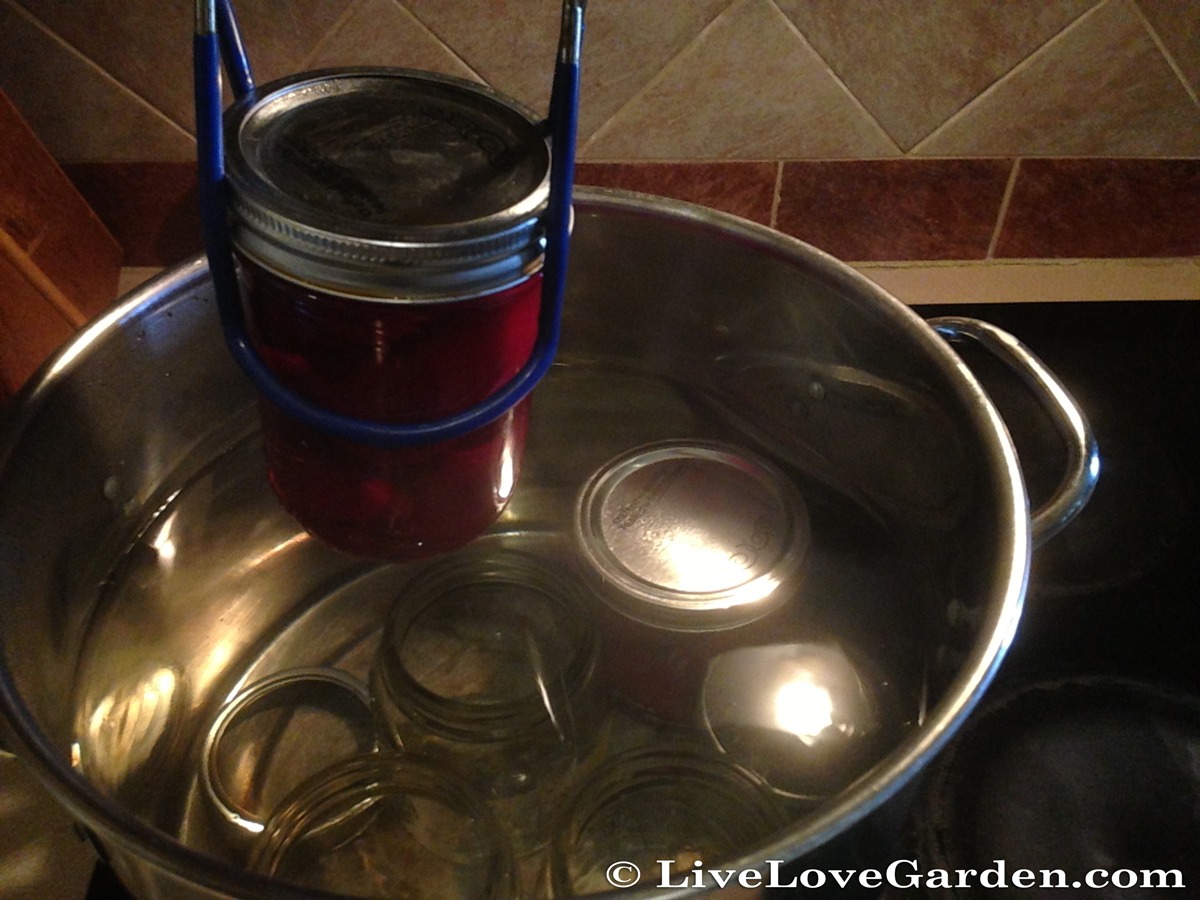
Hot Water Bath
Making Pickled Beets Hot water bath after placing in jar
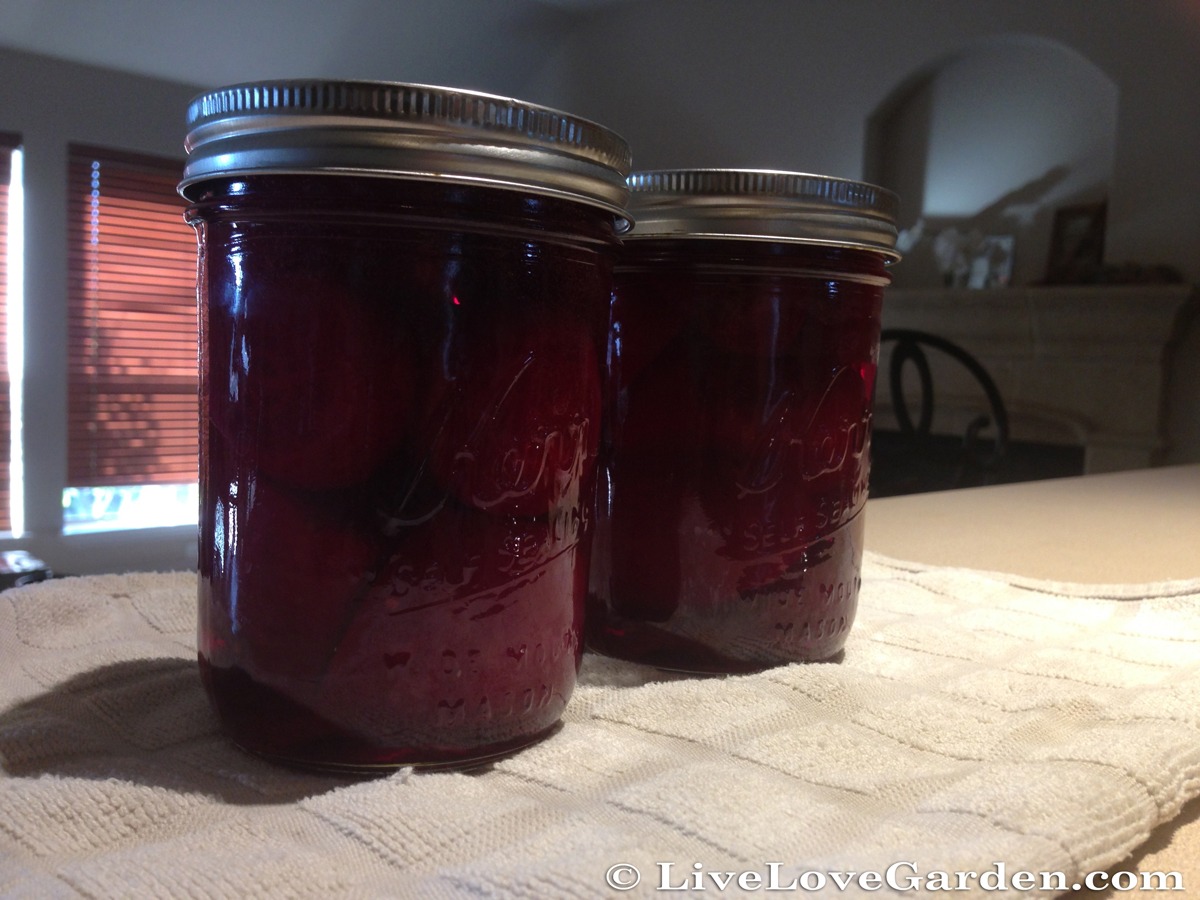
Pickled Beets Recipe
Making Pickled Beets Done and ready to store
♨️ Final Water Bath Canning Process
- Process the jars
Carefully place sealed jars into a boiling water bath. Make sure they’re covered by at least 1 inch of water. - Boil for 30 minutes
This time may vary slightly based on your altitude, but 30 minutes works well for most. - Cool and rest
Remove jars using a jar lifter and place them on a towel-lined counter. Let them cool undisturbed for 24 hours.
✅ Checking Your Seal
After 24 hours, inspect each jar:
-
Gently remove the bands and press on the center of the lid.
-
If the lid is firm and doesn't move or "pop," the seal is good.
-
If any lids flex or come off, store that jar in the fridge and eat it within 2 weeks.
🏡 Long-Term Storage
Once sealed, your pickled beets can be stored in a cool, dark pantry for up to 1–2 years. Always check seals and clarity before eating.
💡 Pro Tips for Success
-
Use young, tender beets for the best flavor and texture.
-
A pinch of ground clove or cinnamon in the brine adds a warm, earthy note.
-
Want more color contrast? Try mixing golden and red beets together in the same jar.
Enjoy the rich, earthy sweetness of your homemade pickled beets all year long—on salads, with cheese boards, or straight from the jar! 🥰

Click here for a Claussen Style Pickles Recipe

