Growing Sunchokes Sustainably: A Low-Input Survival Crop for Self-Sufficient Living

Gardening & Landscaping, Pollinator Friendly, Sustainability, Vegetable Gardening

Growing Sunchokes Sustainably: A Resilient Food Crop for Tough Times

 When grocery prices climb like ivy and supply chains feel as fragile as dry twigs, many people start asking a quiet but urgent question: What can I grow that will still feed me if things get rough?
 
That question leads straight to an overlooked, almost rebellious crop. One that grows when others fail. One that doesn’t beg for fertilizer, pesticides, or pampering. One that comes back year after year, even when forgotten.
 
That crop is the sunchoke.
 
Growing sunchokes sustainably is not just a gardening choice. It’s a food security strategy. It’s a hedge against inflation, scarcity, and uncertainty. And for preppers and self-sufficient households, it may be one of the smartest calories you can put in the ground. 

Why Sunchokes Matter in an Unstable World

 Sunchokes, also known as Jerusalem artichokes, are sunflower relatives that produce underground tubers rich in carbohydrates, minerals, and survival value. They thrive where other crops struggle, tolerate neglect, and multiply aggressively once established.
 
In a world where food costs fluctuate and availability feels unpredictable, growing sunchokes sustainably offers something priceless: reliability.
 
  • They don’t rely on annual seed purchases.
  • They don’t require pristine soil.
  • They don’t demand constant watering.
  • They don’t fail easily.
 
For people preparing for economic downturns, long-term inflation, or supply disruptions, growing sunchokes sustainably creates a renewable food source that quietly works in the background of your land.

What Makes Sunchokes a Sustainable Survival Crop
 
Sustainability isn’t about trendy buzzwords. It’s about inputs versus outputs. Sunchokes win this equation decisively.
 
Here’s why growing sunchokes sustainably makes sense for tough times:
 
• They are perennial and self-propagating
• They improve soil structure over time
• They grow without chemical fertilizers
• They resist most pests and diseases
• They tolerate drought, poor soil, and cold
 
Once planted, sunchokes become a semi-wild food system. You harvest what you need and leave the rest to continue the cycle. That’s not just gardening. That’s resilience.

Sunchokes: A Pollinator-Friendly Perennial

Beyond their value as a survival food, sunchokes are excellent additions to pollinator gardens. Their bright yellow, daisy-like flowers attract bees, butterflies, and other beneficial insects, supporting local biodiversity while enhancing your garden’s ecological resilience. For preppers and self-sufficient gardeners, this means your sunchokes are not just feeding you—they’re also feeding the ecosystem that supports other edible plants, fruits, and vegetables. By including sunchokes in a pollinator-friendly planting scheme, you create a dual-purpose garden: one that provides reliable tubers for tough times while fostering healthy pollinator populations year after year.
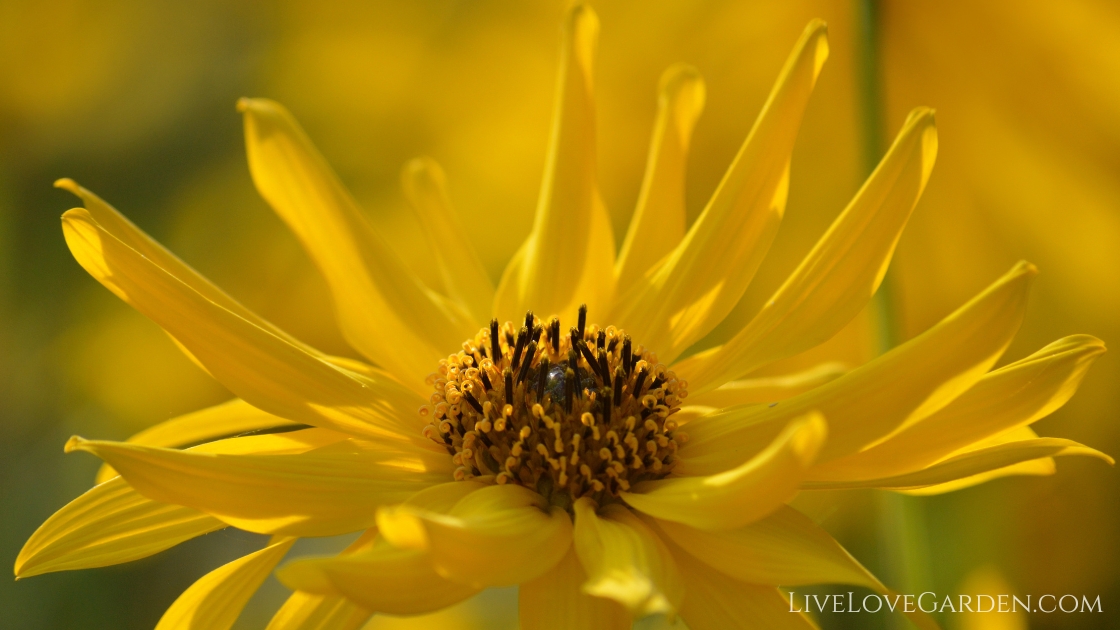

Growing Sunchokes Sunstainably Close-up of a healthy sunchoke plant with tall stems, green leaves, and golden flowers ready for pollination

Choosing the Right Location for Growing Sunchokes Sustainably
Sunchokes are forgiving, but placement matters if you want long-term success.
 
Sunchokes prefer:
• Full sun to partial sun
• Loose soil for easier harvest
• Areas where spreading is acceptable
 
Because growing sunchokes sustainably means working with nature, not fighting it, avoid placing them in small raised beds or near delicate crops. They spread enthusiastically and will claim territory.
 
Ideal growing locations for Sunchoke include:
• Food forest edges
• Back property lines
• Marginal land other crops avoid
• Areas meant for perennial food production
 
Think of sunchokes as edible infrastructure. Place them where permanence is welcome.

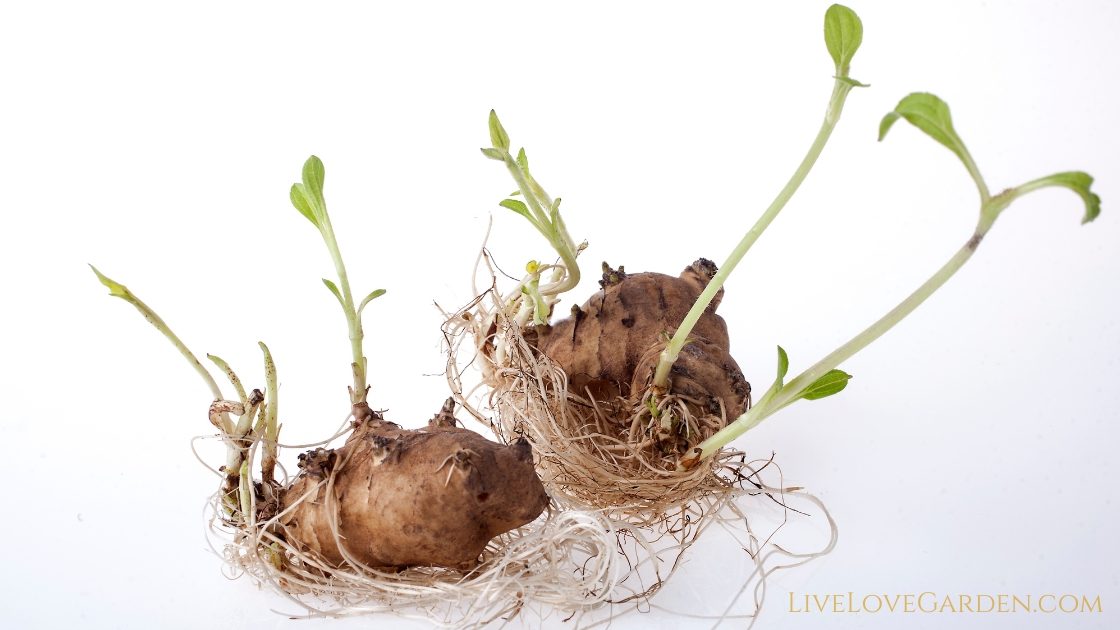
Image of Sunchoke Tuber sprouting

Planting Sunchokes for Long-Term Food Security

Planting sunchokes is refreshingly simple, which is another reason growing sunchokes sustainably works so well during uncertain times.
 

Spacing, time and dept for planting Sunchoke tubers:

• In early spring or late fall
• 4 to 6 inches deep
• 12 to 18 inches apart
 
Once planted, they require little attention. No trellising. No constant pruning. No complicated feeding schedule.
 
In fact, too much care can reduce their resilience. Growing sunchokes sustainably means letting them adapt to your land’s natural conditions.

Growing Sunchokes Sustainably Close-up of a healthy sunchoke plant with tall stems, green leaves, and golden flowers ready for pollination

Watering and Soil Needs During Hard Times

Sunchokes are drought-tolerant once established. That alone makes them invaluable when water becomes expensive or restricted.
 
During the first season:
• Water moderately until roots establish
 
Afterward:
• Natural rainfall is often enough
 
They thrive in average to poor soil, making them ideal for preppers working with less-than-perfect land. Compost helps, but it isn’t required. Growing sunchokes sustainably means using what you have, not buying what you don’t.

Pest Resistance and Low-Input Growing of Sunchokes

One of the greatest advantages of growing sunchokes sustainably is how little attention pests give them.
 
They are:
• Rarely affected by insects
• Largely ignored by plant diseases
• Tough enough to outgrow damage
 
Deer may browse the tops, but even then, the tubers survive underground. In a collapse-aware garden, that underground resilience is critical.
 
Food that hides itself is food that lasts.

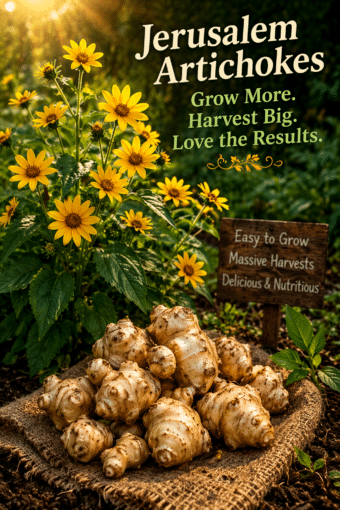
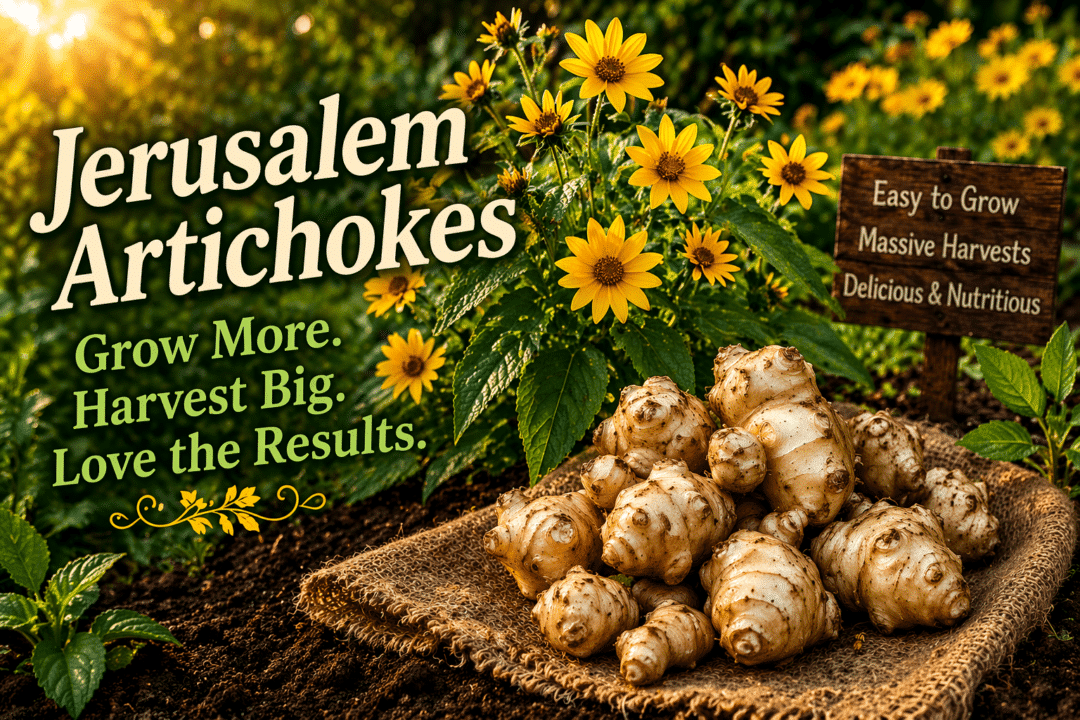
Cluster of Jerusalem artichoke bulbs freshly dug from soil, showcasing the knobby, edible tubers of a resilient perennial crop.

Harvesting Sunchokes Without Breaking the System

Harvesting is where growing sunchokes sustainably truly shines.
 
You can:
• Harvest selectively as needed
• Leave tubers in the ground over winter
• Dig only what you plan to eat
 
Unlike potatoes, sunchokes store beautifully in the soil. This eliminates the need for root cellars, electricity, or preservation infrastructure.
 
In tough times, that flexibility matters.
 
Harvest after frost for better flavor, when cold converts their inulin into sweeter sugars. Nature does the work for you.

Nutritional Value of Sunchokes for Survival Diets

Sunchokes provide more than calories. They offer minerals and gut-supporting fiber that can be critical when diets become limited.
 
They are rich in:
• Potassium
• Iron
• Prebiotic fiber
• Complex carbohydrates
 
For people preparing for food scarcity, growing sunchokes sustainably adds nutritional diversity without additional cost.
 
They won’t replace grains, but they strengthen a survival diet dramatically.

Cooking and Using Sunchokes

Sunchokes can be:
• Roasted
• Mashed
• Added to soups
• Eaten raw in small amounts
 
They store poorly once harvested, which reinforces why growing sunchokes sustainably focuses on in-ground storage instead of stockpiling indoors.
 
A word of honesty for self-sufficient growers: sunchokes can cause digestive discomfort if eaten in large quantities without adaptation. Start small. Your gut adjusts over time.
 
Even this trait has a prepper upside. Slow consumption encourages rationing.

Close-up of a healthy sunchoke plant with tall stems, green leaves, and golden flowers ready for pollination.

Managing Spread of Sunchoke Without Chemicals
Sunchokes spread aggressively, which can be either a problem or a feature depending on your mindset.
 
To manage them sustainably:
• Harvest thoroughly in unwanted areas
• Plant barriers if needed
• Use designated zones
 
Growing sunchokes sustainably means accepting abundance while maintaining boundaries. Think containment, not elimination.
 
In tough times, abundance beats perfection.

Growing Sunchokes Sustainably in Containers for Controlled Abundance

For those who love the idea of growing sunchokes sustainably but worry about their aggressive spreading habits, container growing offers a smart middle ground. Sunchokes thrive in large containers, grow bags, half barrels, or stock tanks with adequate drainage, allowing you to enjoy their food security benefits without risking takeover of your garden beds. Container-grown sunchokes still produce a reliable harvest, especially when given full sun and deep soil, and they’re easier to manage, harvest, and relocate if needed. For preppers, this method also adds flexibility. Containers can be moved, hidden, or positioned near the home for easier access during uncertain times. Growing sunchokes sustainably in containers turns a potentially invasive plant into a controlled, dependable food asset, perfect for urban homesteads, renters, or anyone practicing cautious self-sufficiency.


Why Preppers Are Turning to Sunchokes

Preppers understand one core truth: systems fail, but land remembers.
 
Growing sunchokes sustainably creates:
• A calorie reserve that doesn’t need replanting
• Food independence from seed companies
• A crop that survives neglect and stress
 
They don’t look impressive on social media. They don’t require expensive tools. They don’t depend on fragile supply chains.
 
They just grow.
 

Sunchokes as a Long-Term Insurance Policy

If the economy stabilizes, sunchokes remain useful.
If it worsens, they become priceless.
 
That’s the beauty of growing sunchokes sustainably. There is no downside. Only quiet, reliable return on effort.
 
They are not trendy survival food. They are earned survival food.


Sunchokes cooked like potatoes

Final Thoughts: Plant Once, Eat for Years

Growing sunchokes sustainably is not about fear. It’s about foresight.
 
It’s about choosing crops that don’t panic when conditions change. It’s about building food systems that forgive mistakes. It’s about feeding yourself without depending on promises you don’t control.
 
In a world that feels increasingly unstable, sunchokes offer something rare: calm abundance.
 
Plant them once. Learn their rhythm. Let them work quietly beneath the soil.
 
When tough times come, you’ll be glad they’re there.